Bail Exoneration Bond With In Dallas
Description




Get your form ready online
Our built-in tools help you complete, sign, share, and store your documents in one place.
Make edits, fill in missing information, and update formatting in US Legal Forms—just like you would in MS Word.
Download a copy, print it, send it by email, or mail it via USPS—whatever works best for your next step.
Sign and collect signatures with our SignNow integration. Send to multiple recipients, set reminders, and more. Go Premium to unlock E-Sign.
If this form requires notarization, complete it online through a secure video call—no need to meet a notary in person or wait for an appointment.
We protect your documents and personal data by following strict security and privacy standards.

Make edits, fill in missing information, and update formatting in US Legal Forms—just like you would in MS Word.

Download a copy, print it, send it by email, or mail it via USPS—whatever works best for your next step.

Sign and collect signatures with our SignNow integration. Send to multiple recipients, set reminders, and more. Go Premium to unlock E-Sign.

If this form requires notarization, complete it online through a secure video call—no need to meet a notary in person or wait for an appointment.

We protect your documents and personal data by following strict security and privacy standards.
Looking for another form?


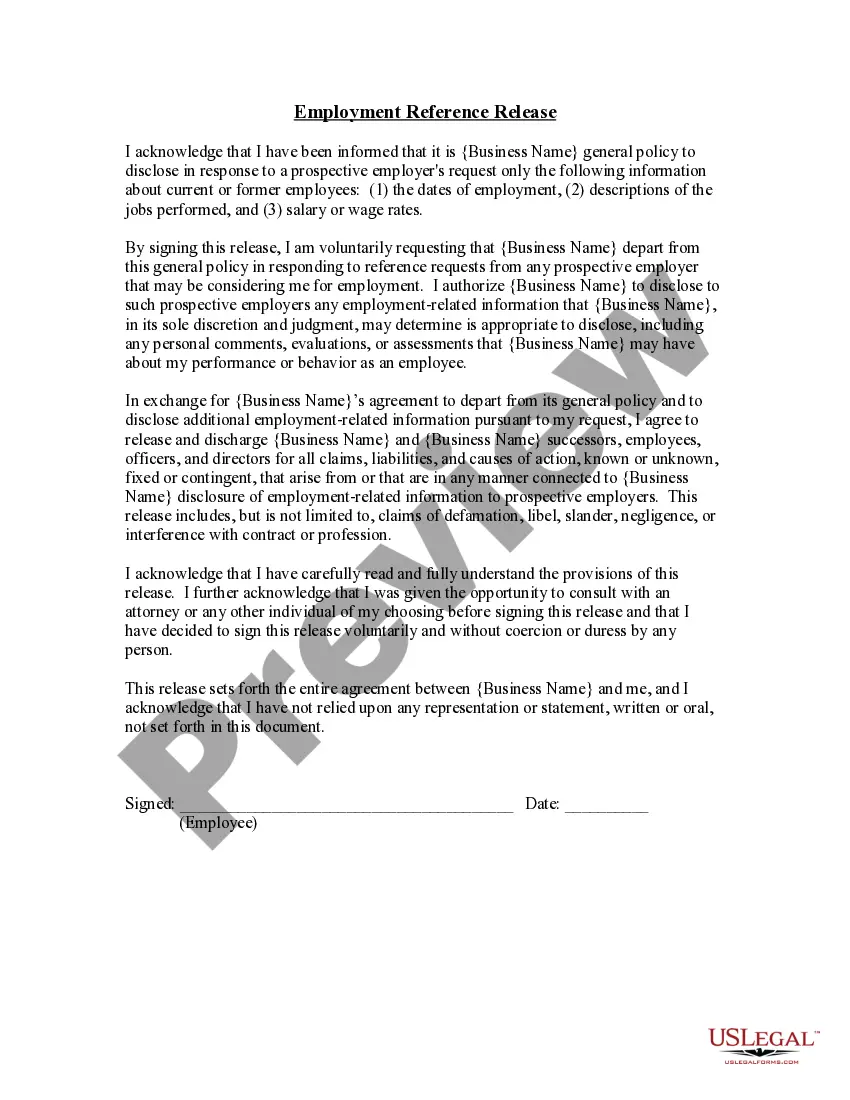


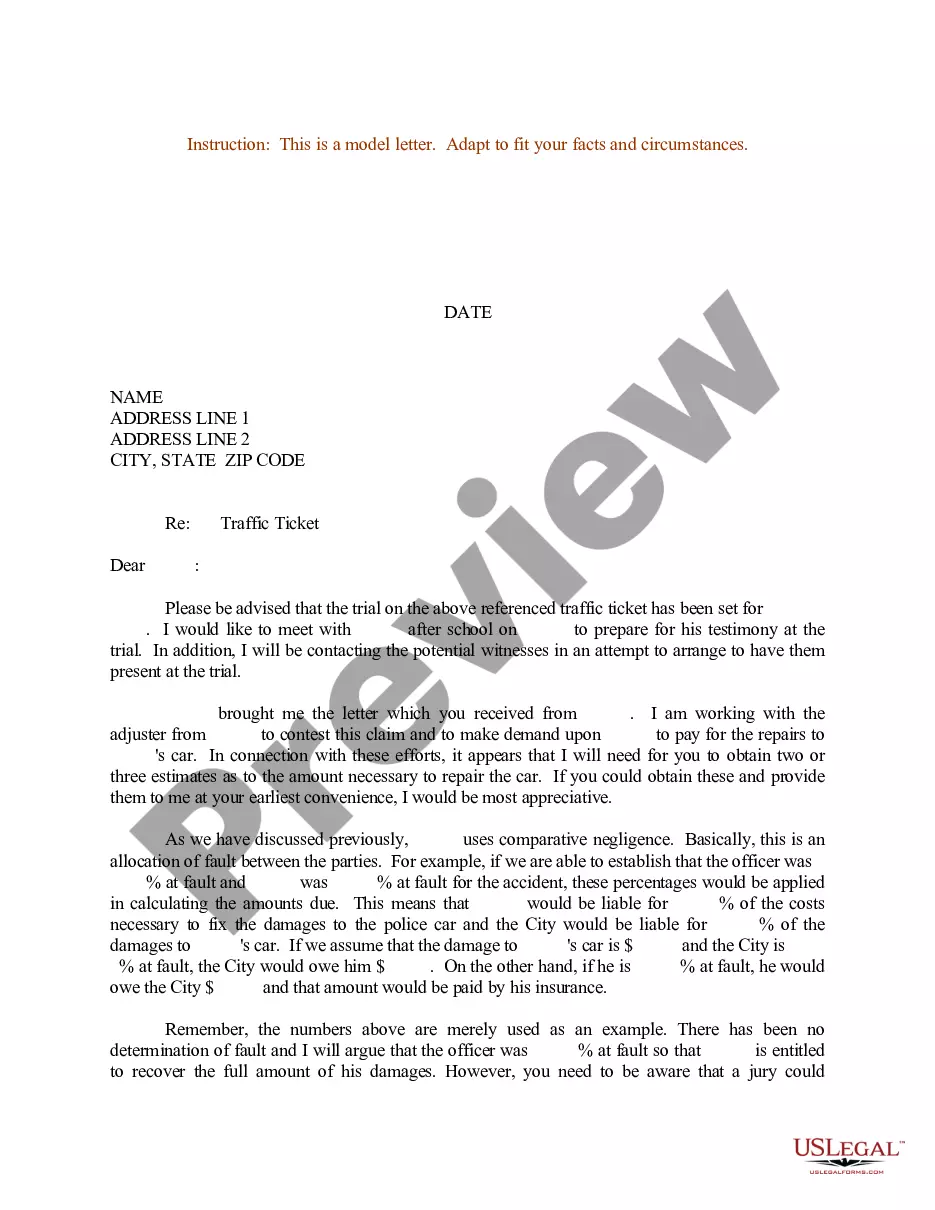


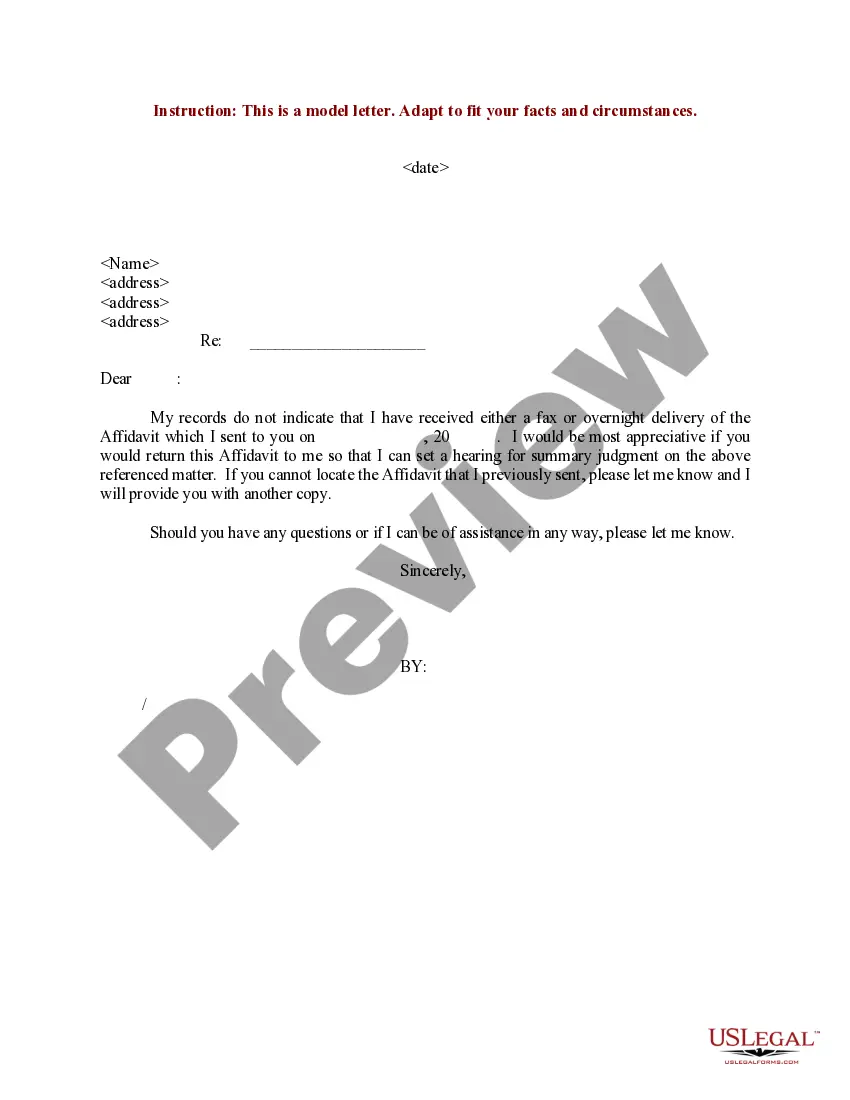

Form popularity
FAQ
A bail bond is exonerated when the legal process/trial has finished. It does not matter whether the defendant is found guilty/innocent or if the case has been dismissed. At this point, the bail bond is discharged. However, any unpaid premium, fees or other amounts charged by the bail service provider are still owed.
In California, a bail bondsman typically has six months to find and return the defendant. If the defendant is not found in the timeframe, you will be responsible for paying not only the full amount of the bond, but also any additional expenses and any unpaid premiums.
No - if you signed the bond it doesn't matter whether you have a job or not - or whether the bondsman asked you if you did. You are liable as surety on the bond - having a job or not has nothing to do with your liability. Sorry.
Consequences of a Revoked Bail Bond A warrant will likely be issued for your arrest, and you may be taken into custody until your case is resolved. If you fail to appear in court, the bail amount may be forfeited, and you or your cosigner may be responsible for paying the total amount to the bail bond company.
In general, an exoneration occurs when a person who has been convicted of a crime is officially cleared after new evidence of innocence becomes available.
Discharging bond is a delivery bond that permits a defendant to regain possession of the attached property. It also releases the property from the lien of attachment. It is also termed as dissolution bond.
If you can't make bail in Texas, you will stay in jail until you have served your sentence in full, have completely beaten your case through a not guilty verdict or dismissal, or until you are released on probation. To finally resolve a case, it can take anywhere from a few months to a few years.
A bail bond is exonerated when the legal process/trial has finished. It does not matter whether the defendant is found guilty/innocent or if the case has been dismissed. At this point, the bail bond is discharged. However, any unpaid premium, fees or other amounts charged by the bail service provider are still owed.
