Bail Exoneration Bond Form California In Cook
Description

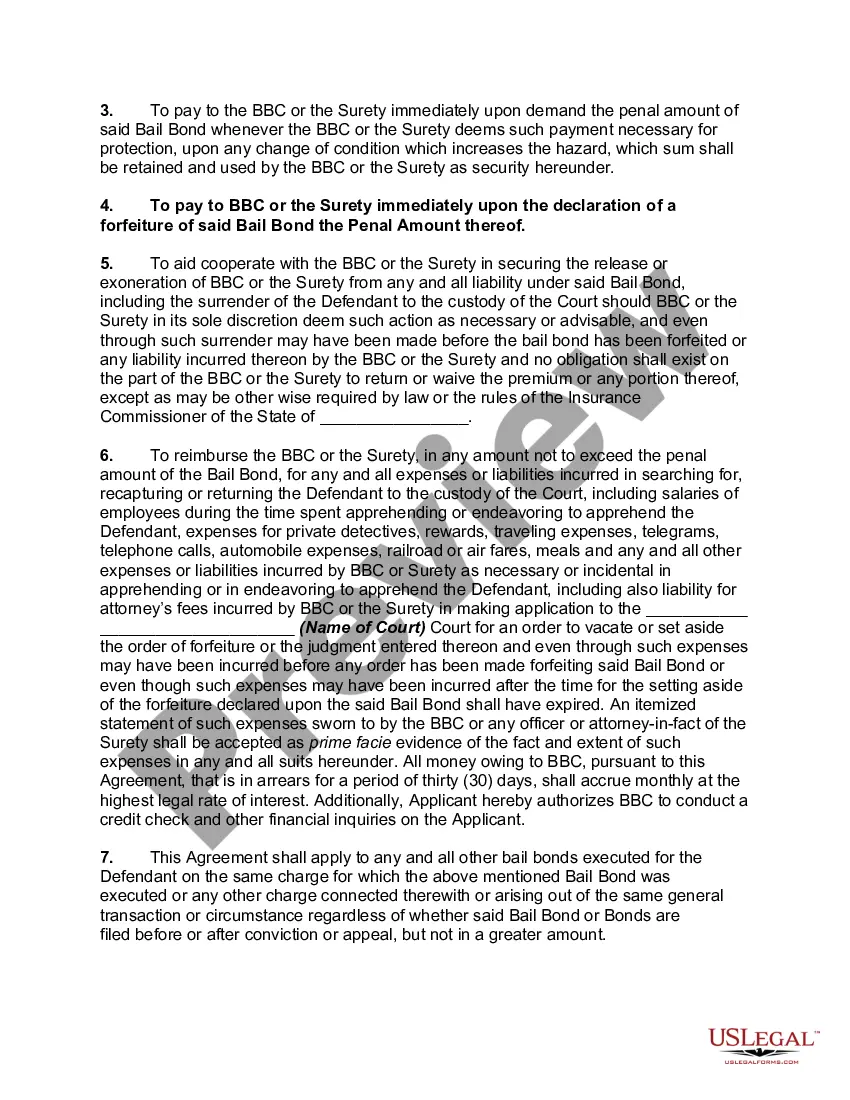

Get your form ready online
Our built-in tools help you complete, sign, share, and store your documents in one place.
Make edits, fill in missing information, and update formatting in US Legal Forms—just like you would in MS Word.
Download a copy, print it, send it by email, or mail it via USPS—whatever works best for your next step.
Sign and collect signatures with our SignNow integration. Send to multiple recipients, set reminders, and more. Go Premium to unlock E-Sign.
If this form requires notarization, complete it online through a secure video call—no need to meet a notary in person or wait for an appointment.
We protect your documents and personal data by following strict security and privacy standards.

Make edits, fill in missing information, and update formatting in US Legal Forms—just like you would in MS Word.

Download a copy, print it, send it by email, or mail it via USPS—whatever works best for your next step.

Sign and collect signatures with our SignNow integration. Send to multiple recipients, set reminders, and more. Go Premium to unlock E-Sign.

If this form requires notarization, complete it online through a secure video call—no need to meet a notary in person or wait for an appointment.

We protect your documents and personal data by following strict security and privacy standards.
Looking for another form?






Form popularity
FAQ
: to relieve of a responsibility, obligation, or hardship. 2. : to clear from accusation or blame. exoneration. ig-ˌzä-nə-ˈrā-shən.
Termination of the obligation of bail has become known as “exoneration.” Once the criminal case is resolved (criminal proceedings terminated or the surrender of the defendant into custody), the depositor or surety is relieved of their obligation and is entitled to return of the deposit.
Exoneration refers to a legal declaration that a person who was previously convicted of wrongdoing is innocent. This is usually due to new evidence or facts clarifying their non-involvement in the alleged crime.
Meaning of exoneration in English the act of showing or stating that someone or something is not guilty of something: The investigation ended with his exoneration. The committee offered complete exoneration for his actions. See.
In general, an exoneration occurs when a person who has been convicted of a crime is officially cleared after new evidence of innocence becomes available.
If a person can't make bail in Sacramento, they must remain in jail until their case eventually goes to trial. The so-called “pretrial detention” period — the time between when a person is arrested and their case reaches a courtroom for a trial — can take anywhere from several weeks to several years.
At a bail hearing or sometimes at an earlier hearing (like an initial appearance), the judge will evaluate any predetermined bail amount and decide whether to change it. If so, the judge needs to figure out what amount is reasonable to make sure the defendant shows up for future court appearances.
Steps Identify which condition you want to modify. The judge may have imposed many conditions as part of your bail. Tell your lawyer to file the motion. Talk with the prosecutor. Format your motion. Insert the caption. Title your motion. Add an introduction. Provide important background facts.
More videos on YouTube The defendant's flight risk. The defendant's criminal history. The severity of the alleged crime. The defendant's ties to the community. The defendant's employment status and financial resources. The defendant's mental health and substance abuse history. The defendant's family situation.
You need to file a motion to amend bond conditions with the court. You should at least consult with a local criminal defense attorney (if you are not already represented by someone) to discuss the issues the court will consider, and the best way to address those issues.
