Bond Definition Under Law In Allegheny
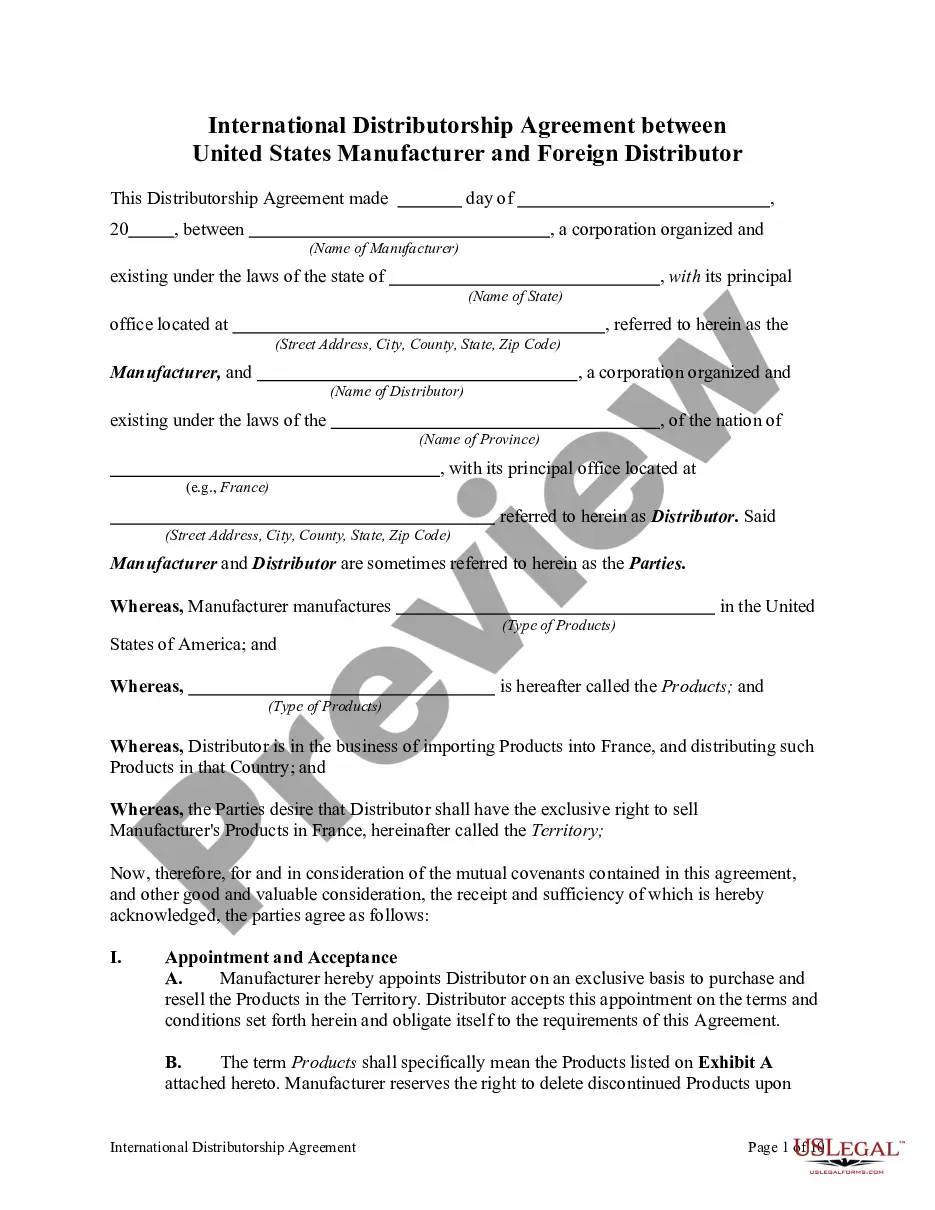
Description




Get your form ready online
Our built-in tools help you complete, sign, share, and store your documents in one place.
Make edits, fill in missing information, and update formatting in US Legal Forms—just like you would in MS Word.
Download a copy, print it, send it by email, or mail it via USPS—whatever works best for your next step.
Sign and collect signatures with our SignNow integration. Send to multiple recipients, set reminders, and more. Go Premium to unlock E-Sign.
If this form requires notarization, complete it online through a secure video call—no need to meet a notary in person or wait for an appointment.
We protect your documents and personal data by following strict security and privacy standards.

Make edits, fill in missing information, and update formatting in US Legal Forms—just like you would in MS Word.

Download a copy, print it, send it by email, or mail it via USPS—whatever works best for your next step.

Sign and collect signatures with our SignNow integration. Send to multiple recipients, set reminders, and more. Go Premium to unlock E-Sign.

If this form requires notarization, complete it online through a secure video call—no need to meet a notary in person or wait for an appointment.

We protect your documents and personal data by following strict security and privacy standards.
Looking for another form?








Form popularity
FAQ
The process of securing a property bond involves several steps, including: Property Valuation. The court requires an appraisal of the property to verify its value and ensure it meets the required equity threshold. Lien Placement. Legal Documentation. Court Approval. Defendant's Release.
A judge determines the amount of bail based on factors like the severity of the alleged offense, the likelihood that the defendant will commit additional crimes after being released, and the chances that the defendant will flee the jurisdiction before trial.
Judges typically weigh the following key factors when deciding on whether to impose bail and in what amount: Your previous criminal record; Whether you are considered a flight risk; The severity of your alleged crime; and.
What One Should Learn from This Article: Bail is set by the severity of the crimes or crimes charged, as well as one's criminal history. It can be increased on decreased by a judge upon a more individualized evaluation of the person's likelihood of returning to court and public safety danger.
Bond conditions are rules you must follow while out on bail. They help make sure you show up for court and don't commit new crimes. Common conditions include curfews, travel limits, and no-contact orders. Violating bond conditions can lead to getting arrested again.
A bond's credit quality is usually determined by independent bond rating agencies, such as Moody's Investors Service, Inc., and Standard & Poor's Corporation (S&P). These agencies classify bonds into 2 basic categories—investment-grade and below-investment-grade—and provide detailed ratings within each.
Although the Eighth Amendment protects against excessive bail, there is not an absolute right to bail, as noted in The Bail Reform Act, 18 USC Chapter 207. Section 3142 of the Act denies bail to certain defendants pending trial, specifically denying bail to defendants likely to flee or pose a danger to society.
Bond Rights means all of your rights to receive a refund of the Bond that can be assigned by you, at law or in equity.
Concluded, "The Eighth Amendment provides that 'excessive bail shall not be required. ' This implies, and therefore safeguards, the right to give bail at least before trial.
The United States Supreme Court has interpreted this amendment to prohibit the imposition of excessive bail without creating a right to bail in criminal cases. See United States v. Salerno, 481 U.S. 739, 754-55 (1987)("eighth amendment does not grant absolute right to bail").
