Husband Application Withdrawal In Texas
Description

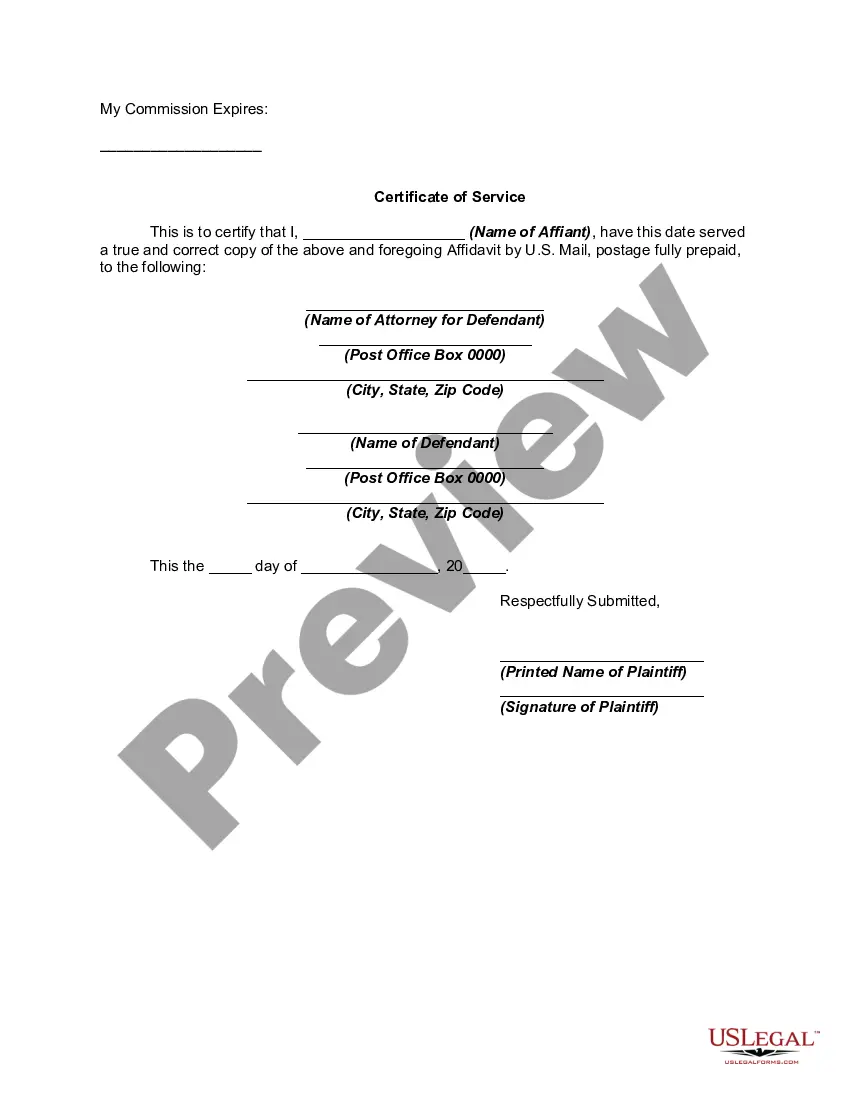




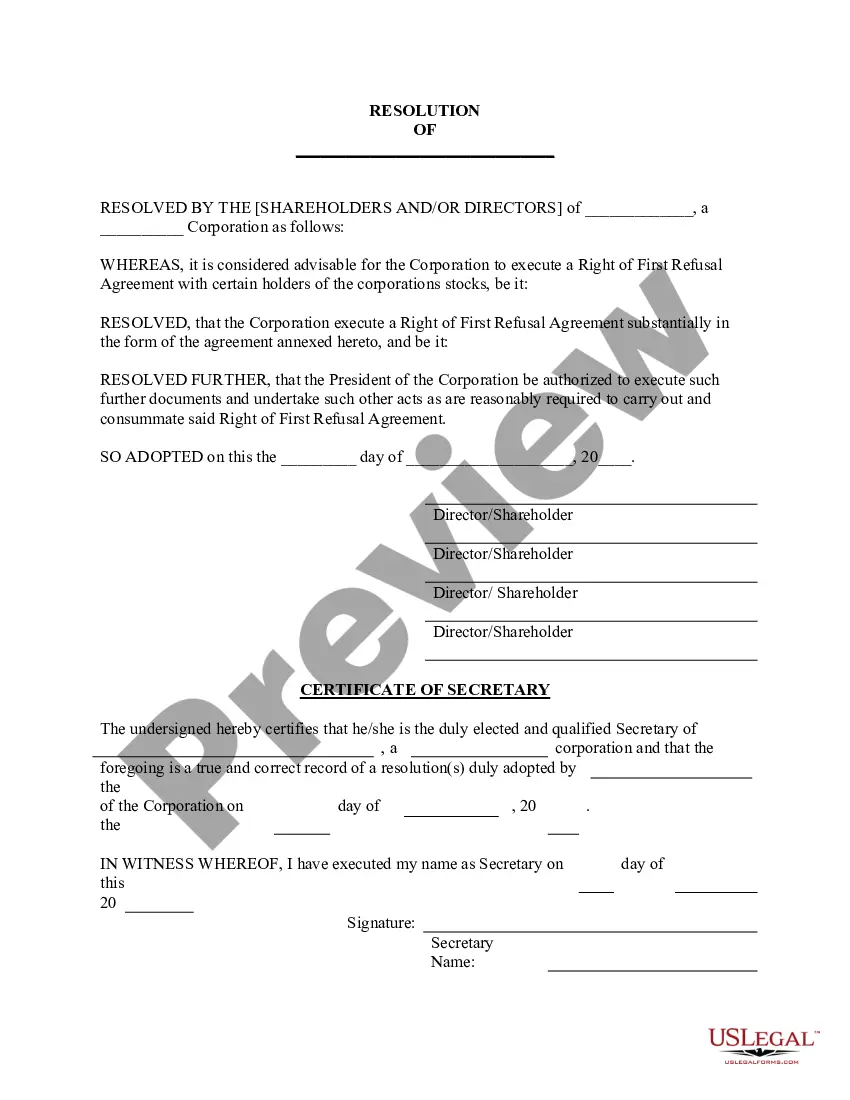
Get your form ready online
Our built-in tools help you complete, sign, share, and store your documents in one place.
Make edits, fill in missing information, and update formatting in US Legal Forms—just like you would in MS Word.
Download a copy, print it, send it by email, or mail it via USPS—whatever works best for your next step.
Sign and collect signatures with our SignNow integration. Send to multiple recipients, set reminders, and more. Go Premium to unlock E-Sign.
If this form requires notarization, complete it online through a secure video call—no need to meet a notary in person or wait for an appointment.
We protect your documents and personal data by following strict security and privacy standards.

Make edits, fill in missing information, and update formatting in US Legal Forms—just like you would in MS Word.

Download a copy, print it, send it by email, or mail it via USPS—whatever works best for your next step.

Sign and collect signatures with our SignNow integration. Send to multiple recipients, set reminders, and more. Go Premium to unlock E-Sign.

If this form requires notarization, complete it online through a secure video call—no need to meet a notary in person or wait for an appointment.

We protect your documents and personal data by following strict security and privacy standards.
Looking for another form?








Form popularity
FAQ
The spouse filing for a divorce on the basis of abandonment must prove this reason, which can be challenging. As mentioned, as a reason for filing for divorce, a spouse must prove abandonment by demonstrating the other partner left with the intention to abandon them and that they remained away for at least one year.
To avoid paying alimony in Texas, consider negotiating a favorable divorce settlement, demonstrating your spouse's self-sufficiency, using fault grounds, or choosing lump sum payments. These strategies may help you avoid paying alimony altogether.
In Texas, some things can disqualify you from spousal support. These include: Cohabitation: If you live with someone else in a marriage-like relationship, you may be disqualified for spousal support. Remarriage: If you remarry before your spousal support obligation ends, you may be disqualified for further payments.
To avoid paying alimony in Texas, consider negotiating a favorable divorce settlement, demonstrating your spouse's self-sufficiency, using fault grounds, or choosing lump sum payments. These strategies may help you avoid paying alimony altogether.
Court-ordered spousal maintenance generally lasts up to five years but can be extended in cases involving a disabled spouse or family violence.
If both spouses are self-supporting at or above the marital standard of living, the recipient has committed domestic violence against the paying spouse, or the recipient accept a buyout, you may be able to avoid paying spousal support in California.
To officially halt your divorce proceedings, you must file a Nonsuit with the same court where you originally filed your divorce petition. This legal document requests the court to dismiss your case without prejudice, meaning you retain the right to file for divorce again if you choose to do so.
When your spouse cuts you off financially, the first step is often to file a petition for temporary support. This petition can address both spousal maintenance and child support, providing you with the financial resources needed to cover essential expenses such as housing, utilities, and groceries.
To withdraw a petition, you must submit a signed written statement requesting that the petition be withdrawn and explaining the reason to NVC using our Public Inquiry Form.
Withdrawal After Approval of Form I-130 You still may be able to withdraw your petition if USCIS has approved Form I-130. However, you will not be able to withdraw it if USCIS has already reviewed Form I-485, which is the adjustment of status application for a foreign national.
