Divorce Without Alimony In Ohio
Description

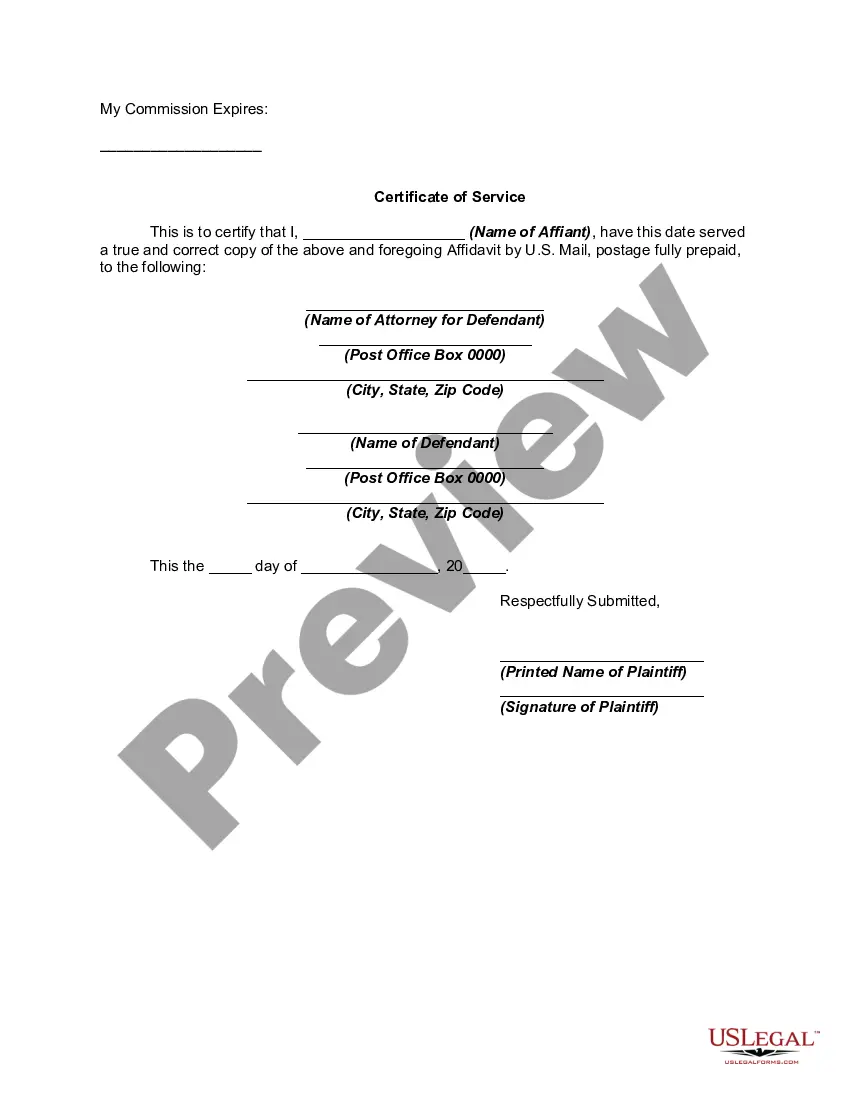




Get your form ready online
Our built-in tools help you complete, sign, share, and store your documents in one place.
Make edits, fill in missing information, and update formatting in US Legal Forms—just like you would in MS Word.
Download a copy, print it, send it by email, or mail it via USPS—whatever works best for your next step.
Sign and collect signatures with our SignNow integration. Send to multiple recipients, set reminders, and more. Go Premium to unlock E-Sign.
If this form requires notarization, complete it online through a secure video call—no need to meet a notary in person or wait for an appointment.
We protect your documents and personal data by following strict security and privacy standards.

Make edits, fill in missing information, and update formatting in US Legal Forms—just like you would in MS Word.

Download a copy, print it, send it by email, or mail it via USPS—whatever works best for your next step.

Sign and collect signatures with our SignNow integration. Send to multiple recipients, set reminders, and more. Go Premium to unlock E-Sign.

If this form requires notarization, complete it online through a secure video call—no need to meet a notary in person or wait for an appointment.

We protect your documents and personal data by following strict security and privacy standards.
Looking for another form?








Form popularity
FAQ
Ohio isn't a community property state. Instead, Ohio follows what's known as the "equitable distribution" model for dividing assets and debts during a divorce. However, unlike many other states that use this model, Ohio requires judges to divide a couple's marital property equally, unless that would be unfair.
Under equitable distribution, the court will consider several factors when dividing marital property: If you have been married for at least ten years. Both party's assets and liabilities. Both party's incomes and taxes.
An “oral hearing,” also know as a “Rule 75 hearing,” is available if either party wishes to contest a temporary order. If there are minor children born as issue of the marriage, both parents will be required to attend a Parenting class in the county where the case is filed.
California determines alimony based on the recipient's “marital standard of living,” which aims to allow the spouse to continue living in a similar manner as during the marriage.
A fairly common amount of spousal support is two thirds of equalization. As an example, say spouse #1 has an income of $50,000 per year and that spouse #2 has an income of $14,000 per year. The difference in their incomes is $36,000. One-half of that amount is $18,000 or $1,500 per month to equalize their incomes.
Usually, the court will not consider awarding spousal support unless the marriage lasted more than five years. Most courts do not award lifetime spousal support unless the marriage lasted more than 25 years. In cases involving longer marriages, there is a greater chance of income disparity between the spouses.
