Spouse Alimony In Florida In Minnesota
Description

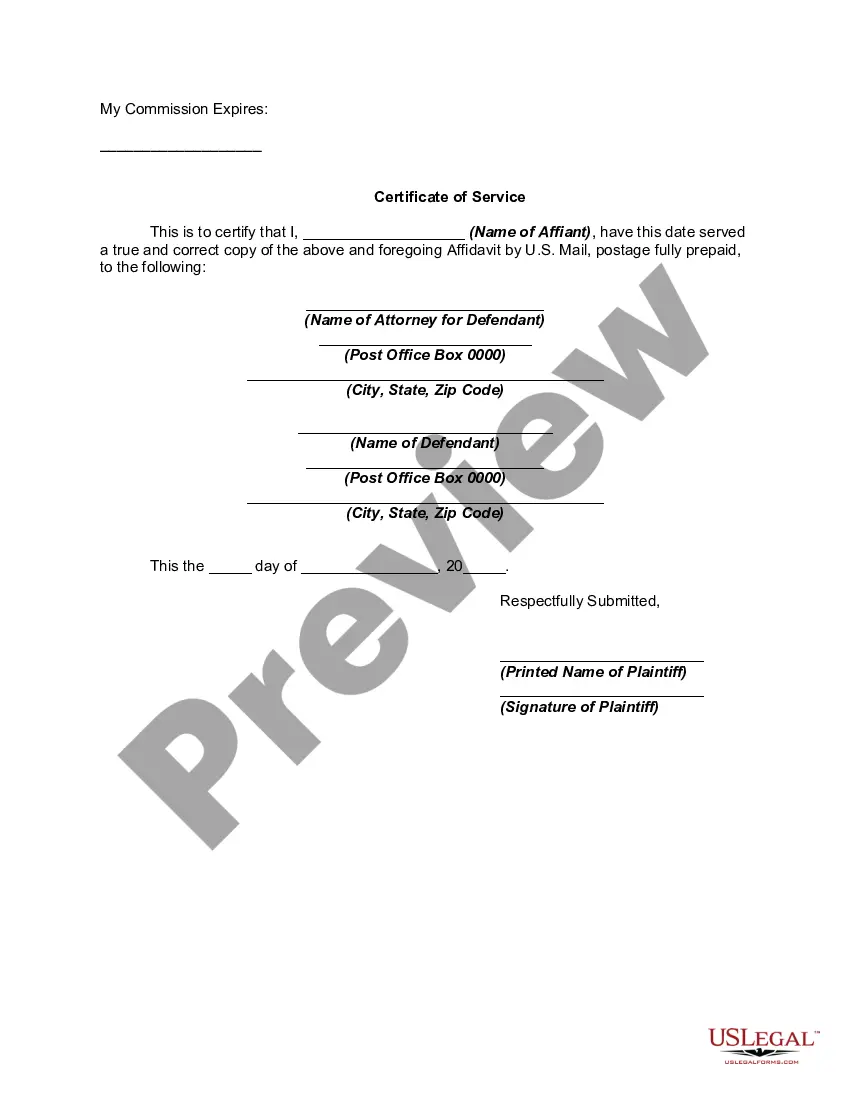




Get your form ready online
Our built-in tools help you complete, sign, share, and store your documents in one place.
Make edits, fill in missing information, and update formatting in US Legal Forms—just like you would in MS Word.
Download a copy, print it, send it by email, or mail it via USPS—whatever works best for your next step.
Sign and collect signatures with our SignNow integration. Send to multiple recipients, set reminders, and more. Go Premium to unlock E-Sign.
If this form requires notarization, complete it online through a secure video call—no need to meet a notary in person or wait for an appointment.
We protect your documents and personal data by following strict security and privacy standards.

Make edits, fill in missing information, and update formatting in US Legal Forms—just like you would in MS Word.

Download a copy, print it, send it by email, or mail it via USPS—whatever works best for your next step.

Sign and collect signatures with our SignNow integration. Send to multiple recipients, set reminders, and more. Go Premium to unlock E-Sign.

If this form requires notarization, complete it online through a secure video call—no need to meet a notary in person or wait for an appointment.

We protect your documents and personal data by following strict security and privacy standards.
Looking for another form?

Form popularity
FAQ
Generally speaking anyone married less than five years should not expect to receive spousal support. If the length of marriage is between five and twenty years, and if an award of maintenance is appropriate (based on the factors in MN Stat.
Unlike child support, there is no standard formula for calculating spousal support in Minnesota. In general, however, the longer you've been married, and the greater the disparity in earning capacity between the spouses, the more likely it is that a substantial maintenance award will be made.
Texas is one of the most difficult states to win alimony in a divorce. While it is possible to win alimony or spousal support in court, it is much more likely to receive alimony through a private contract created as part of the divorce settlement.
However, Minnesota law only permits the court to award spousal maintenance if the requesting spouse: lacks sufficient property, including marital property divided in the divorce, to provide for reasonable needs of the spouse to meet the marital standard of living, or.
Under Florida law, courts may enforce alimony provisions from out-of-state divorce agreements but are limited in their authority to modify these obligations.
In Florida, self-sufficiency can disqualify you from receiving spousal support or alimony in Florida. If the court determines that you have the financial means or can gain employment to meet your needs of independently, you may not be eligible for alimony.
What qualifies a recipient spouse for alimony in Florida are several factors, among them: The standard of living established during the marriage. The length of the marriage. Both spouse's financial resources, including the non-marital, marital property, assets, and liabilities.
Although couples divorcing in Florida must divide marital assets based on fairness, they may also negotiate what appears fair to both parties. A nonworking spouse may obtain a fair settlement that includes a formerly shared home and financial accounts.
What qualifies a recipient spouse for alimony in Florida are several factors, among them: The standard of living established during the marriage. The length of the marriage. Both spouse's financial resources, including the non-marital, marital property, assets, and liabilities.
