Spouse Applying For Social Security In Harris
Description

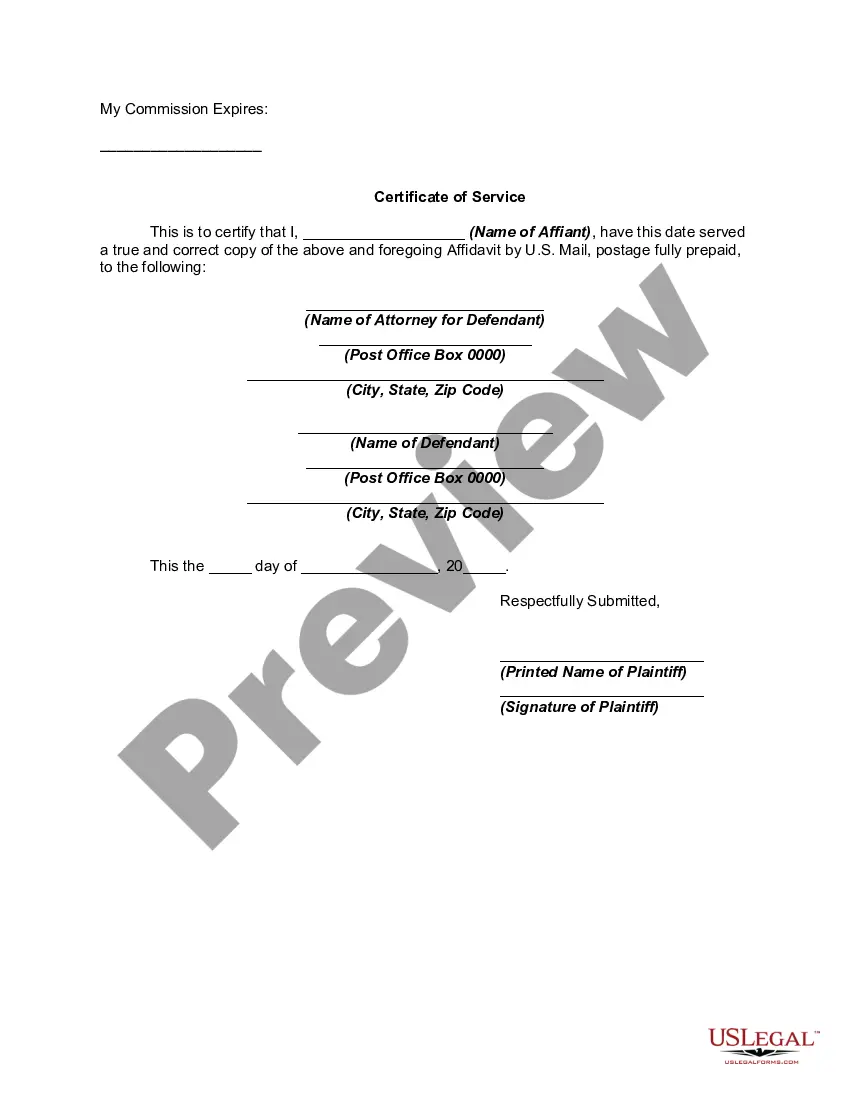




Get your form ready online
Our built-in tools help you complete, sign, share, and store your documents in one place.
Make edits, fill in missing information, and update formatting in US Legal Forms—just like you would in MS Word.
Download a copy, print it, send it by email, or mail it via USPS—whatever works best for your next step.
Sign and collect signatures with our SignNow integration. Send to multiple recipients, set reminders, and more. Go Premium to unlock E-Sign.
If this form requires notarization, complete it online through a secure video call—no need to meet a notary in person or wait for an appointment.
We protect your documents and personal data by following strict security and privacy standards.

Make edits, fill in missing information, and update formatting in US Legal Forms—just like you would in MS Word.

Download a copy, print it, send it by email, or mail it via USPS—whatever works best for your next step.

Sign and collect signatures with our SignNow integration. Send to multiple recipients, set reminders, and more. Go Premium to unlock E-Sign.

If this form requires notarization, complete it online through a secure video call—no need to meet a notary in person or wait for an appointment.

We protect your documents and personal data by following strict security and privacy standards.
Looking for another form?







Form popularity
FAQ
Social Security Program Rules The wife of a retired worker is eligible for a spousal benefit of up to 50 percent of her husband's primary insurance amount ( PIA ), if claimed at her full retirement age ( FRA ).
Randall, in order for your wife to be eligible for spousal benefits, you need to have already filed for your own benefits. If that's the case and your wife is at least 62 years old, she can apply for her spousal benefit.
The percentage of your spouse's full retirement benefit that you receive could be as little as 32.5% at age 62. It steps up gradually to 50% as you near your full retirement age, which is 65, 66, or 67, depending on your birth year. And don't bother delaying your spousal benefits past your full retirement age.
If you choose to receive your spouse's benefits before you reach full retirement age, you will get a permanently reduced benefit. If you wait until you reach full retirement age to receive benefits, you'll receive your full spouse's benefit amount, which is up to one-half the amount your spouse can receive.
The percentage of your spouse's full retirement benefit that you receive could be as little as 32.5% at age 62. It steps up gradually to 50% as you near your full retirement age, which is 65, 66, or 67, depending on your birth year. And don't bother delaying your spousal benefits past your full retirement age.
