Motion To Strike Form With Decimals In Texas
Description






Get your form ready online
Our built-in tools help you complete, sign, share, and store your documents in one place.
Make edits, fill in missing information, and update formatting in US Legal Forms—just like you would in MS Word.
Download a copy, print it, send it by email, or mail it via USPS—whatever works best for your next step.
Sign and collect signatures with our SignNow integration. Send to multiple recipients, set reminders, and more. Go Premium to unlock E-Sign.
If this form requires notarization, complete it online through a secure video call—no need to meet a notary in person or wait for an appointment.
We protect your documents and personal data by following strict security and privacy standards.

Make edits, fill in missing information, and update formatting in US Legal Forms—just like you would in MS Word.

Download a copy, print it, send it by email, or mail it via USPS—whatever works best for your next step.

Sign and collect signatures with our SignNow integration. Send to multiple recipients, set reminders, and more. Go Premium to unlock E-Sign.

If this form requires notarization, complete it online through a secure video call—no need to meet a notary in person or wait for an appointment.

We protect your documents and personal data by following strict security and privacy standards.
Looking for another form?








Form popularity
FAQ
3 Time for Motion and Ruling. A motion to dismiss must be: (a) filed within 60 days after the first pleading containing the challenged cause of action is served on the movant; (b) filed at least 21 days before the motion is heard; and (c) granted or denied within 45 days after the motion is filed.
1. This rule imposes a duty upon parties to make a complete response to written discovery based upon all information reasonably available, subject to objections and privileges. 2. An objection to written discovery does not excuse the responding party from complying with the request to the extent no objection is made.
194.2Initial Disclosures. (a)Time for Initial Disclosures. A party must make the initial disclosures within 30 days after the filing of the first answer or general appearance unless a different time is set by the parties' agreement or court order.
The court shall grant the motion to strike unless a defendant produces sufficient evidence to raise a genuine issue of fact regarding the designated person's responsibility for the claimant's injury or damage.
Proposed Comment to Existing Texas Rule Of Civil Procedure 194.4 Pretrial Disclosures. Rule 194.4 requires a party to file with the clerk of the court a list of witnesses that will or may be called to testify at trial and a list of documents or other exhibits that will or may be offered at trial.
A party may obtain discovery of the name, address, and telephone number of persons having know ledge of relevant facts, and a brief statement of each identified person's connection with the case. A person has knowledge of relevant facts when that person has or may have knowledge of any discoverable matter.
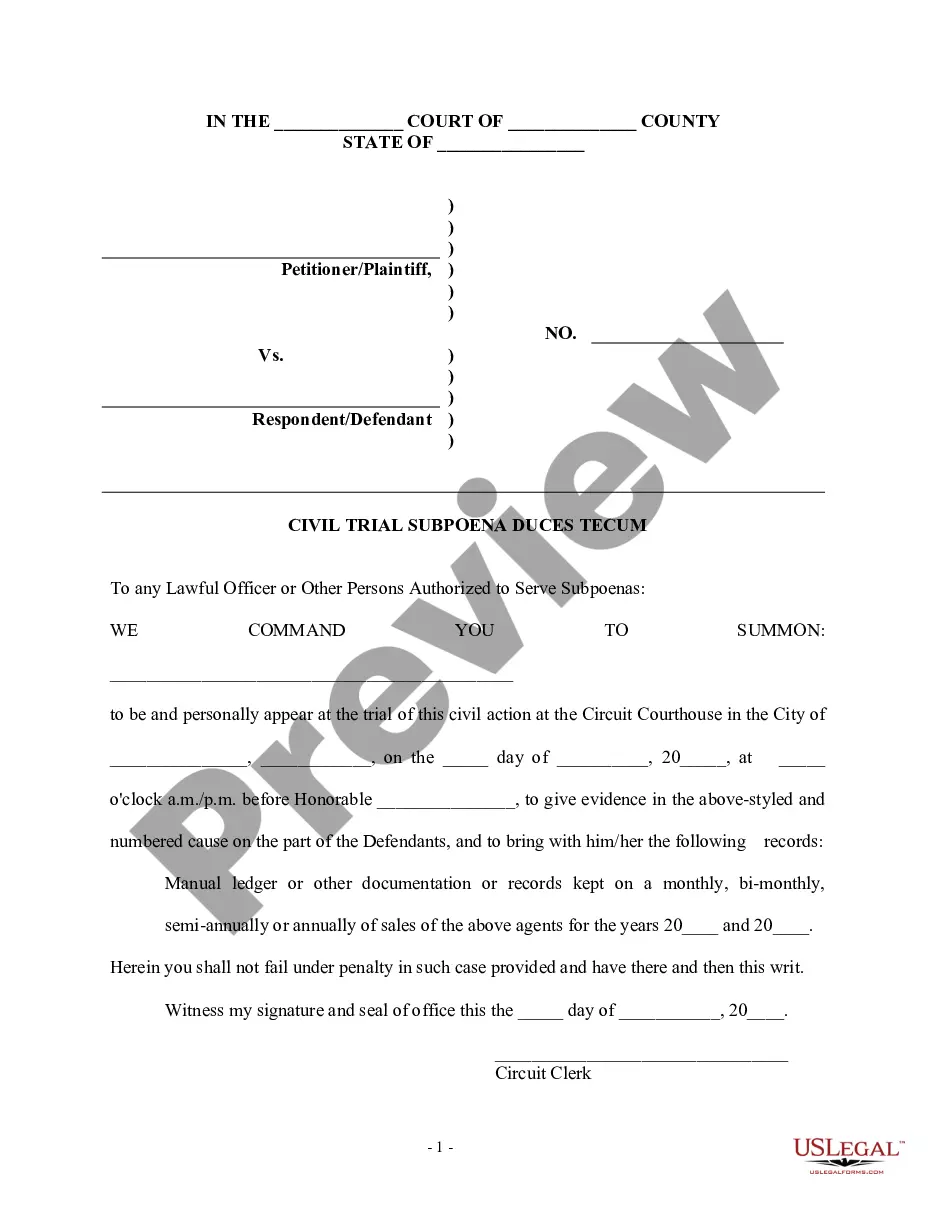
TRCP 176.5: A subpoena must be served by a sheriff, constable, or any person who is not a party and is at least 18 years of age by delivering a copy to the named person.
192.3 Scope of Discovery. (a)Generally. In general, a party may obtain discovery regarding any matter that is not privileged and is relevant to the subject matter of the pending action, whether it relates to the claim or defense of the party seeking discovery or the claim or defense of any other party.
A subpoena may be served at any place within the State of Texas by any sheriff or constable of the State of Texas, or any person who is not a party and is 18 years of age or older. A subpoena must be served by delivering a copy to the witness and tendering to that person any fees required by law.
