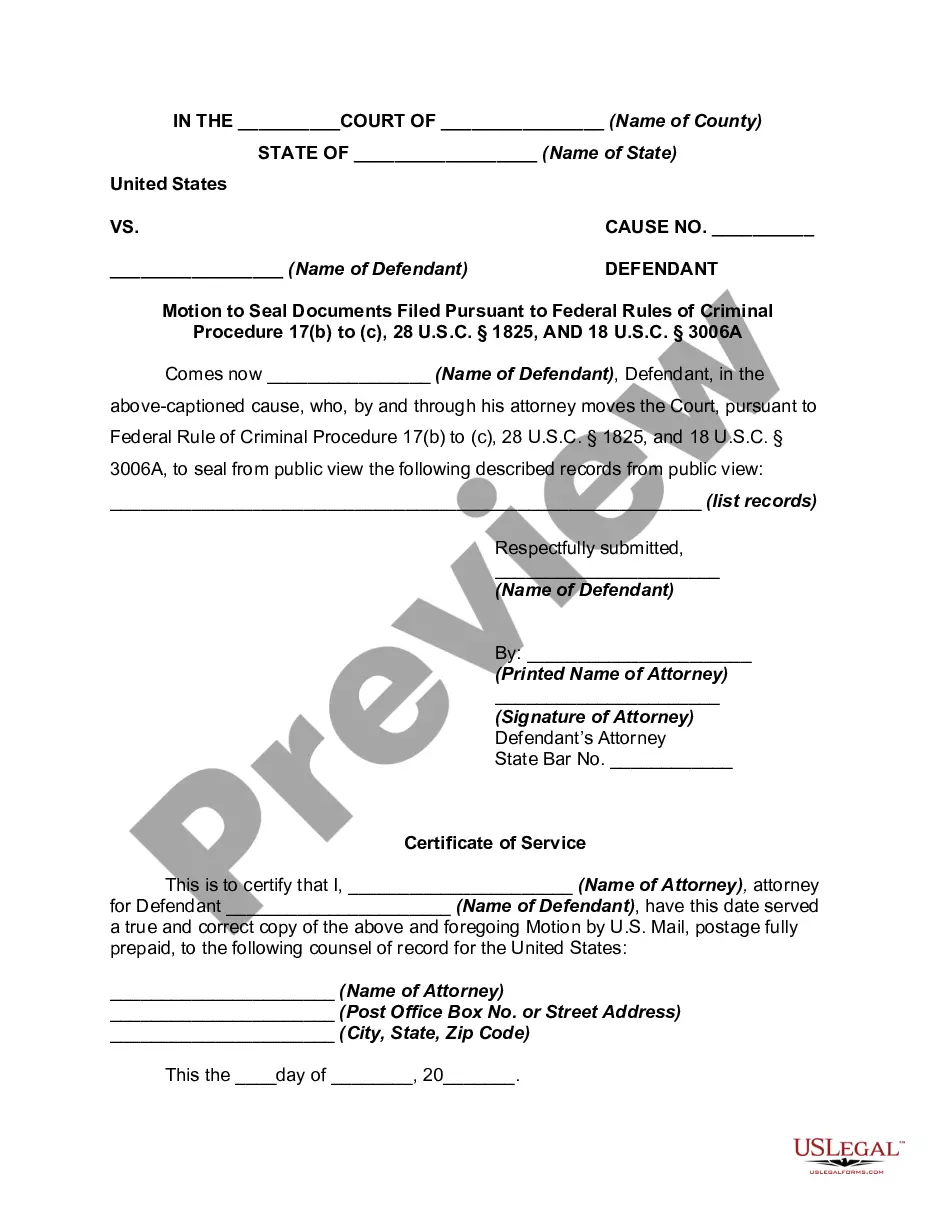
Motion To Strike Form For Discovery In Texas
Description






Get your form ready online
Our built-in tools help you complete, sign, share, and store your documents in one place.
Make edits, fill in missing information, and update formatting in US Legal Forms—just like you would in MS Word.
Download a copy, print it, send it by email, or mail it via USPS—whatever works best for your next step.
Sign and collect signatures with our SignNow integration. Send to multiple recipients, set reminders, and more. Go Premium to unlock E-Sign.
If this form requires notarization, complete it online through a secure video call—no need to meet a notary in person or wait for an appointment.
We protect your documents and personal data by following strict security and privacy standards.

Make edits, fill in missing information, and update formatting in US Legal Forms—just like you would in MS Word.

Download a copy, print it, send it by email, or mail it via USPS—whatever works best for your next step.

Sign and collect signatures with our SignNow integration. Send to multiple recipients, set reminders, and more. Go Premium to unlock E-Sign.

If this form requires notarization, complete it online through a secure video call—no need to meet a notary in person or wait for an appointment.

We protect your documents and personal data by following strict security and privacy standards.
Looking for another form?

Form popularity
FAQ
You only need to sign and deliver the discovery request to the other party or the other party's attorney. If you are serving a discovery request on a non-party, then the request must be filed. Texas Rules of Civil Procedure Rule 191.4 governs the filing requirement for discovery requests.
A Motion for Discovery may be filed with the Court via E-File, Email, in person, or by US Mail. A Motion for Discovery must be in writing, with a signature, and be served on the other party in ance with the T.R.C.P 501.4.
If you want to file a motion, the process is generally something like this: You write your motion. You file your motion with the court clerk. The court clerk inserts the date and time your motion will be heard by the judge. You “serve” (mail) your motion to the other side.
A person alleging failure to comply with discovery shall file a motion to compel as soon as practicable. A motion to compel shall include the relevant portion of the discovery response at issue.
The court shall grant the motion to strike unless a defendant produces sufficient evidence to raise a genuine issue of fact regarding the designated person's responsibility for the claimant's injury or damage.
MOTION FOR PERMISSION TO CONDUCT DISCOVERY When you file your motion with the court, the court clerk will set it for a hearing. Once you have the date and time of the hearing, mail a copy of the motion (including the hearing date and time) to the other side.
A motion of discovery includes all physical evidence, such as paperwork, documents, and photographs. It doesn't include things like digital video or emails.
Grounds for a motion to strike include the following: The pleading is false; that is, untrue. The pleading is filed without the required leave of court. The form of pleading is in violation of a court order. The pleading is filed late. The pleading is barred by the statute of limitations. The pleading must be verified.
The two-dismissal rule means that if a person decides to dismiss their case voluntarily, it will count as a final decision and cannot be brought up again in court if they have already dismissed the same claim in another court.
Rule 91. Special Exceptions (1941) A special exception shall not only point out the particular pleading excepted to, but it shall also point out intelligibly and with particularity the defect, omission, obscurity, duplicity, generality, or other insufficiency in the allegations or the pleading excepted to.