Motion To Strike Form With 2 Points In Tarrant
Description

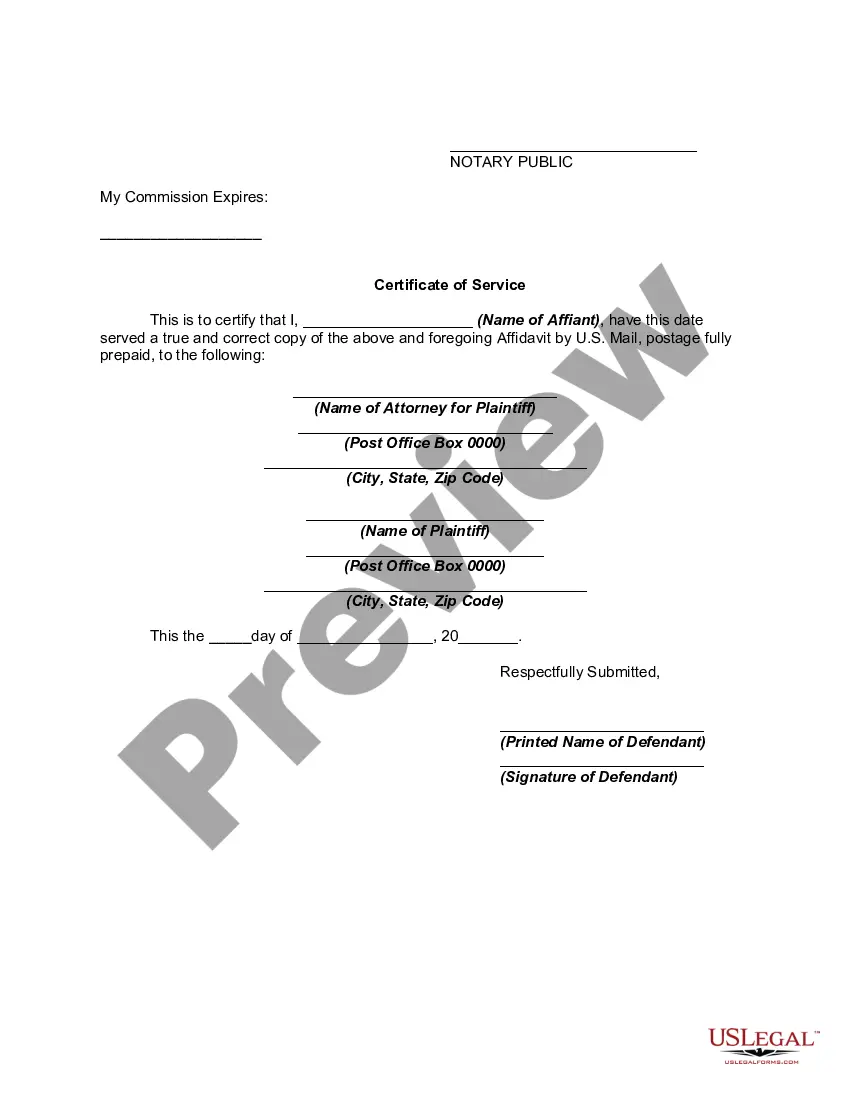




Get your form ready online
Our built-in tools help you complete, sign, share, and store your documents in one place.
Make edits, fill in missing information, and update formatting in US Legal Forms—just like you would in MS Word.
Download a copy, print it, send it by email, or mail it via USPS—whatever works best for your next step.
Sign and collect signatures with our SignNow integration. Send to multiple recipients, set reminders, and more. Go Premium to unlock E-Sign.
If this form requires notarization, complete it online through a secure video call—no need to meet a notary in person or wait for an appointment.
We protect your documents and personal data by following strict security and privacy standards.

Make edits, fill in missing information, and update formatting in US Legal Forms—just like you would in MS Word.

Download a copy, print it, send it by email, or mail it via USPS—whatever works best for your next step.

Sign and collect signatures with our SignNow integration. Send to multiple recipients, set reminders, and more. Go Premium to unlock E-Sign.

If this form requires notarization, complete it online through a secure video call—no need to meet a notary in person or wait for an appointment.

We protect your documents and personal data by following strict security and privacy standards.
Looking for another form?










Form popularity
FAQ
The court shall grant the motion to strike unless a defendant produces sufficient evidence to raise a genuine issue of fact regarding the designated person's responsibility for the claimant's injury or damage.
Rule 703 permits expert witnesses to rely on a broader range of information than other witnesses when forming their opinions. However, it also provides safeguards to ensure that the jury is aware of the basis of the expert's opinion and can evaluate its reliability.
The Federal Rules of Civil Procedure states that "The court may strike from a pleading an insufficient defense or any redundant, immaterial, impertinent, or scandalous matter." Similarly, for example, the California Code of Civil Procedure provides that a motion to strike may be made to strike out any "irrelevant, ...
Write a short and clear introduction. Draft a factually accurate narrative. Know the standard that must be met and craft an explanation of the standard. Use the most persuasive components of the relevant law. Apply the law to the facts in a convincing and credible manner. Conclusion.
A motion focused on an already-filed report or disclosure is usually framed as a motion to strike, while motions to keep things from trial or from consideration on summary judgment are usually motions in limine or motions to exclude. Follow local practice on how to label the motion.
Rule 402. General Admissibility of Relevant Evidence Relevant evidence is admissible unless any of the following provides otherwise: the United States or Texas Constitution; a statute; these rules; or other rules prescribed under statutory authority.
The primary purpose of a motion to strike is to clean up the pleadings by eliminating irrelevant, redundant, or legally insufficient parts. This helps in focusing the litigation on the substantive issues, thereby streamlining the legal process.
A motion to strike is a legal request made to a court to remove certain parts of the opposing party's pleadings. This can include irrelevant, redundant, or legally insufficient material from a complaint, answer, or other legal documents.
A case may be dismissed for want of prosecution on failure of any party seeking affirmative relief or his attorney to appear for any hearing or trial of which the party or attorney had notice, or on failure of the party or his attorney to request a hearing or take other action specified by the court within fifteen days ...
