Paying For Child Support And Alimony In San Antonio
Description

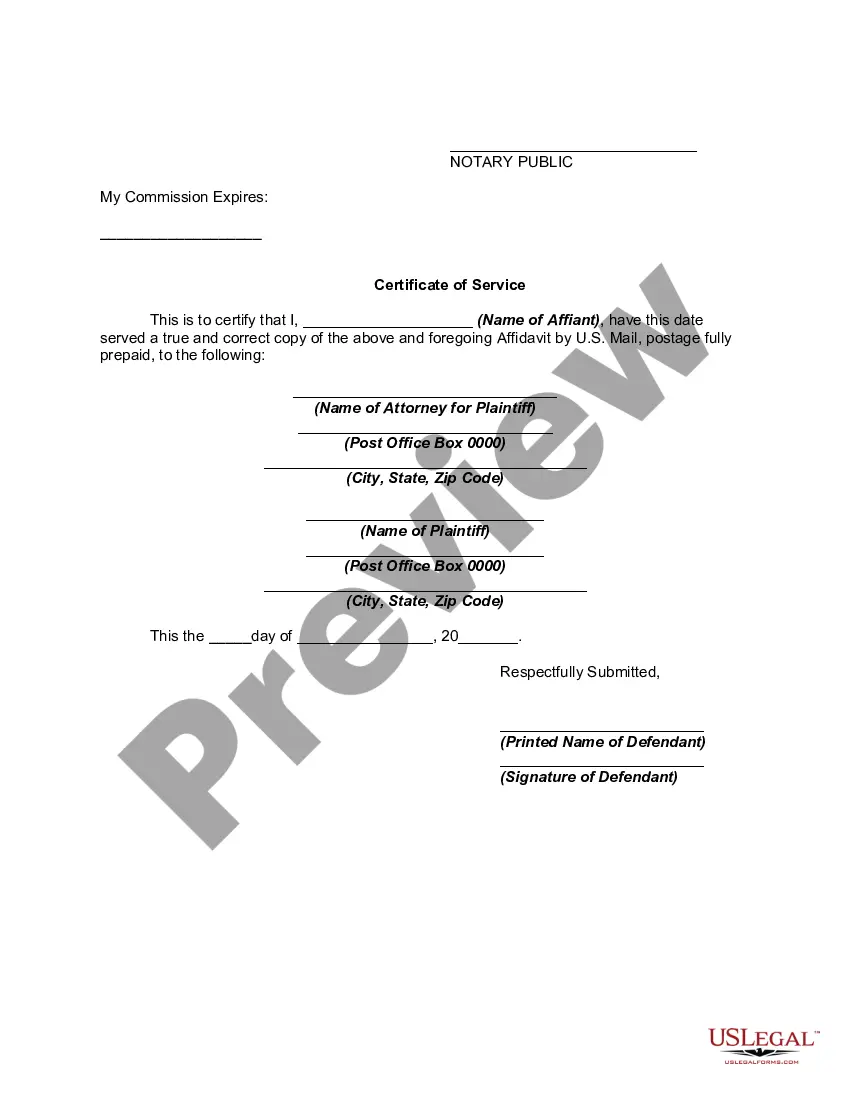




Get your form ready online
Our built-in tools help you complete, sign, share, and store your documents in one place.
Make edits, fill in missing information, and update formatting in US Legal Forms—just like you would in MS Word.
Download a copy, print it, send it by email, or mail it via USPS—whatever works best for your next step.
Sign and collect signatures with our SignNow integration. Send to multiple recipients, set reminders, and more. Go Premium to unlock E-Sign.
If this form requires notarization, complete it online through a secure video call—no need to meet a notary in person or wait for an appointment.
We protect your documents and personal data by following strict security and privacy standards.

Make edits, fill in missing information, and update formatting in US Legal Forms—just like you would in MS Word.

Download a copy, print it, send it by email, or mail it via USPS—whatever works best for your next step.

Sign and collect signatures with our SignNow integration. Send to multiple recipients, set reminders, and more. Go Premium to unlock E-Sign.

If this form requires notarization, complete it online through a secure video call—no need to meet a notary in person or wait for an appointment.

We protect your documents and personal data by following strict security and privacy standards.
Looking for another form?
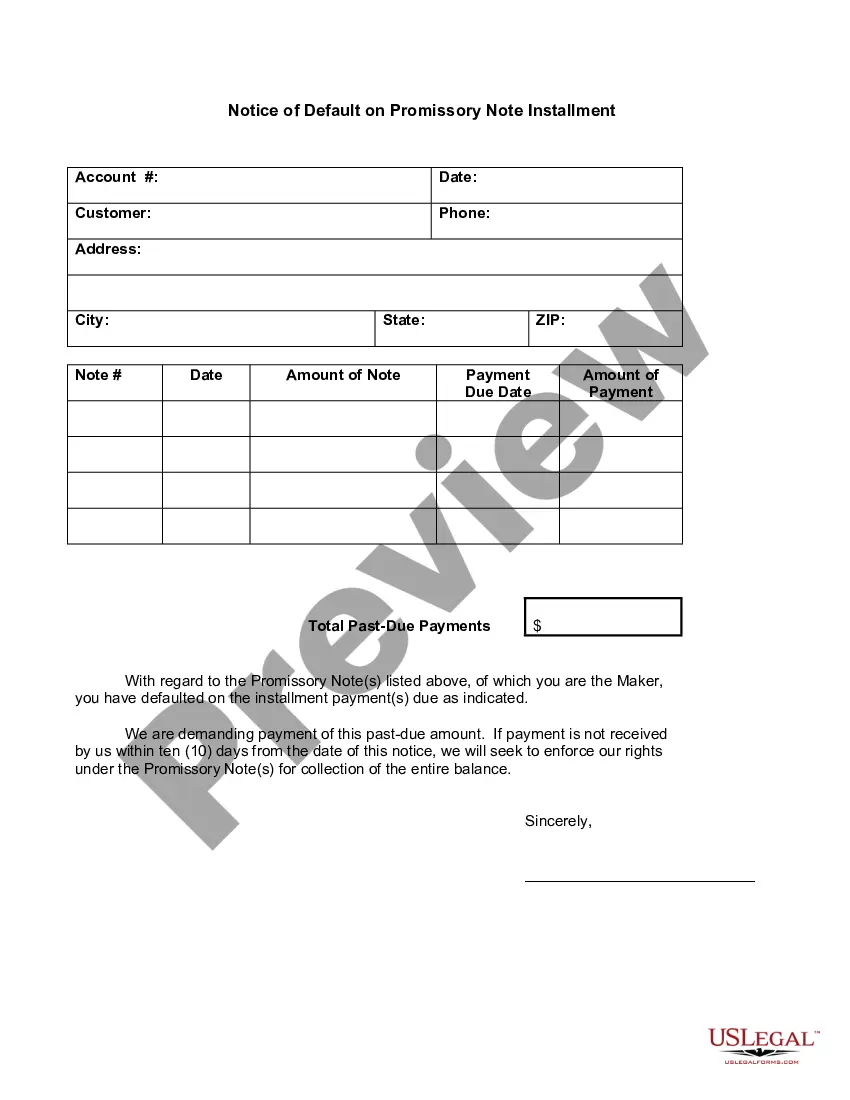
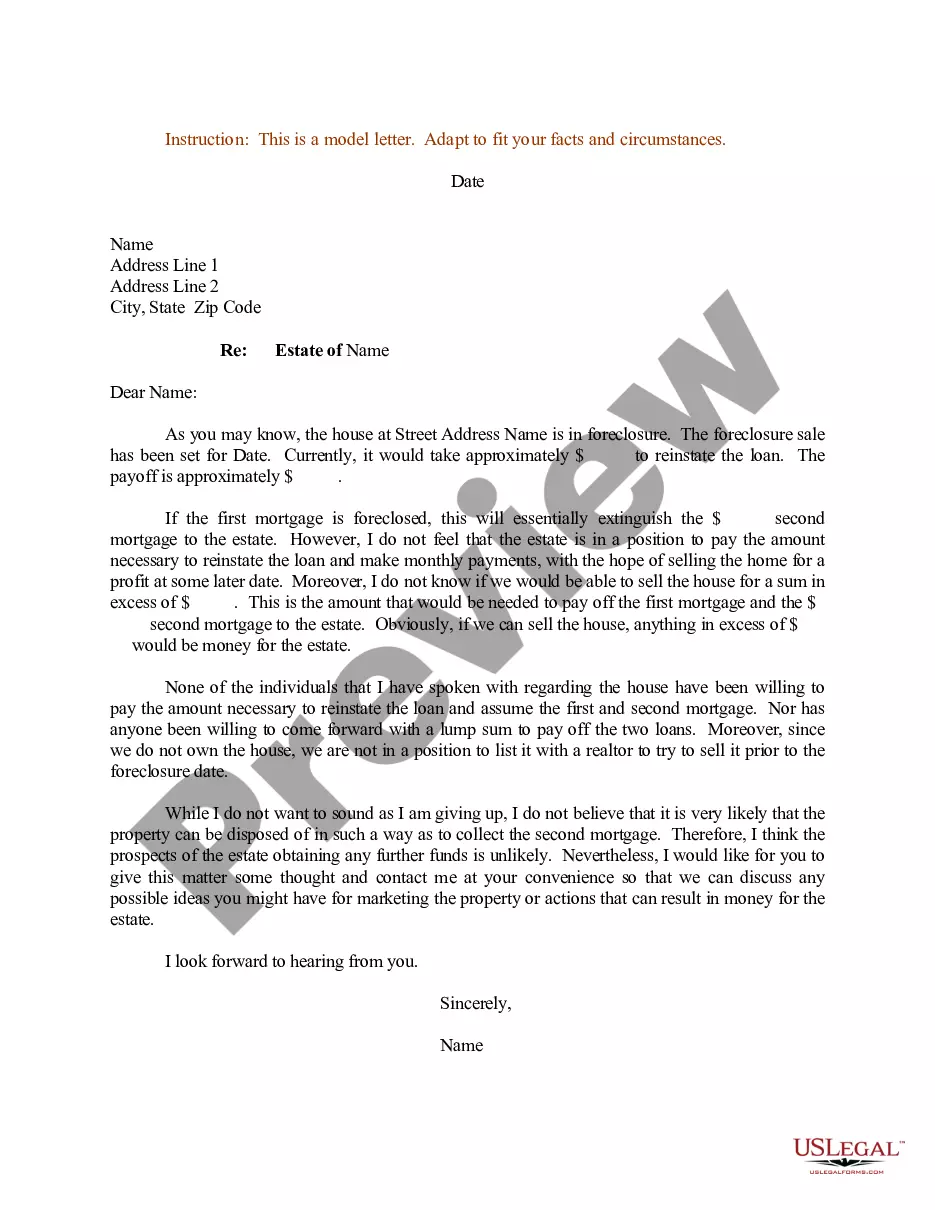
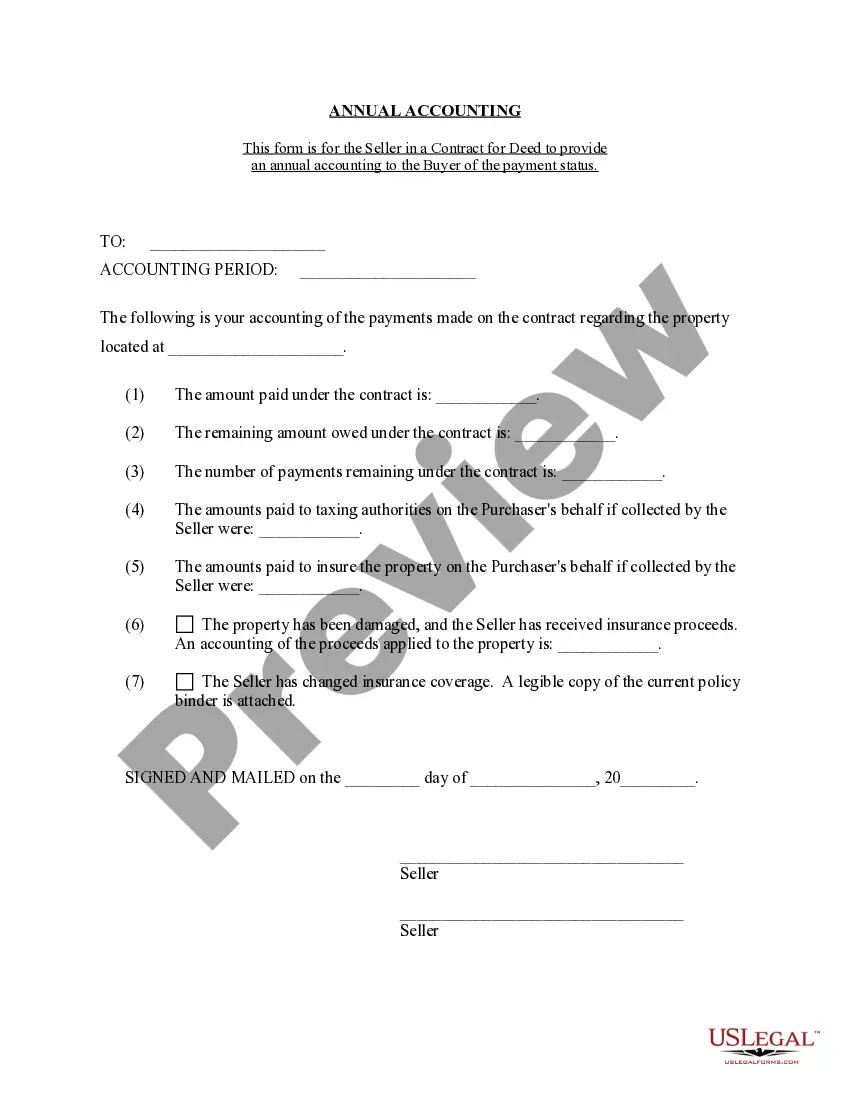
Form popularity
FAQ
A lender or broker may ask whether income stated in your application comes from alimony, child support, or separate maintenance payments. However, the lender or broker must tell you that you do not have to reveal such income if you do not want it considered.
You'll need to submit proof of all of your income streams when you apply for a mortgage, and lenders consider alimony checks to be a valid source of income.
After a divorce, it's common for one spouse to make payments to the other as part of the divorce agreement. These payments can be alimony, child support or a mix of both.
How do mortgage lenders verify employment and income? Mortgage lenders usually verify income and employment by contacting a borrower's employer directly and reviewing recent employment and income documentation.
If the check must be payable to the custodial parent, please include the SDU as the co-payee. For example, please make the check payable to “custodial parent and/or the state SDU.” Sending payments electronically to state SDUs is another way to ensure payments arrive quickly and safely.
The court-ordered monthly amount of spousal maintenance can be at most $5,000 or 20% of the paying spouse's average monthly gross income, and whichever is lower of those two.
Unlike most other states, Texas law limits the amount of spousal maintenance that judges may award. Monthly payments may not exceed $5,000 or 20% of the supporting spouse's average monthly gross income, whichever is less. Monthly gross income includes income from all sources except: Social Security retirement benefits.
In Texas, some things can disqualify you from spousal support. These include: Cohabitation: If you live with someone else in a marriage-like relationship, you may be disqualified for spousal support. Remarriage: If you remarry before your spousal support obligation ends, you may be disqualified for further payments.
Eligibility For Spousal Maintenance In Texas To qualify for spousal maintenance, a spouse must convincingly demonstrate a need for financial assistance, grounded in specific circumstances that impede their ability to provide for their minimum reasonable needs.