Divorce Modification With Agreement In Philadelphia
Description

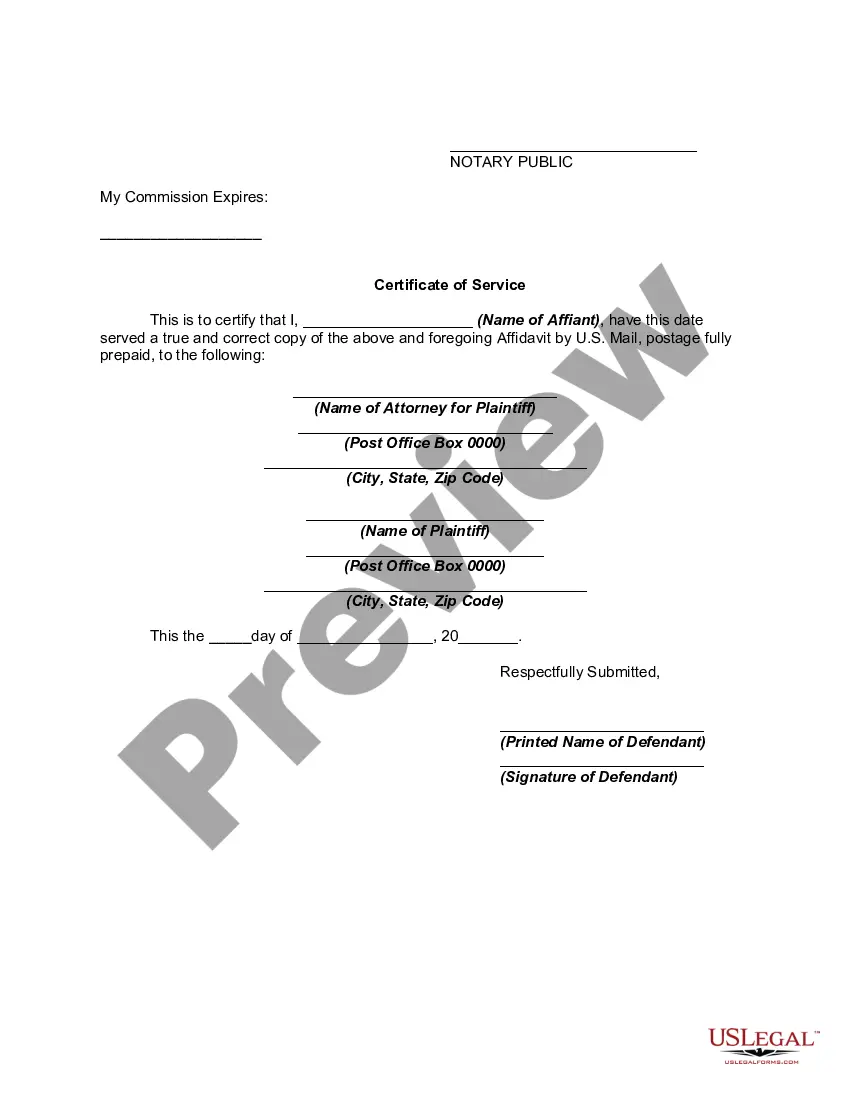




Get your form ready online
Our built-in tools help you complete, sign, share, and store your documents in one place.
Make edits, fill in missing information, and update formatting in US Legal Forms—just like you would in MS Word.
Download a copy, print it, send it by email, or mail it via USPS—whatever works best for your next step.
Sign and collect signatures with our SignNow integration. Send to multiple recipients, set reminders, and more. Go Premium to unlock E-Sign.
If this form requires notarization, complete it online through a secure video call—no need to meet a notary in person or wait for an appointment.
We protect your documents and personal data by following strict security and privacy standards.

Make edits, fill in missing information, and update formatting in US Legal Forms—just like you would in MS Word.

Download a copy, print it, send it by email, or mail it via USPS—whatever works best for your next step.

Sign and collect signatures with our SignNow integration. Send to multiple recipients, set reminders, and more. Go Premium to unlock E-Sign.

If this form requires notarization, complete it online through a secure video call—no need to meet a notary in person or wait for an appointment.

We protect your documents and personal data by following strict security and privacy standards.
Looking for another form?



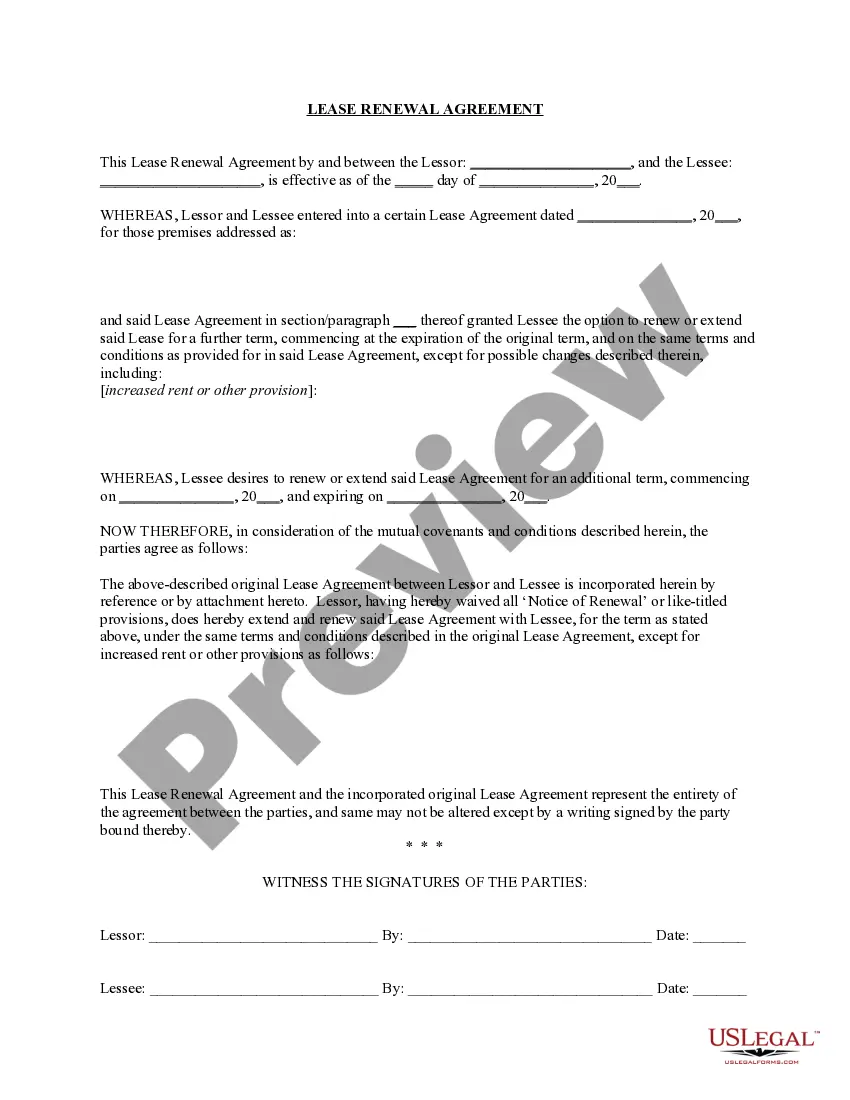



Form popularity
FAQ
No Fault Divorce under § 3301 (d) of the Divorce Code - Two Year Separation. Section D is used when the parties have already lived separate and apart for at least two years. In this type of divorce, defendant's consent may not be not required.
Irretrievable breakdown -- You can get a divorce without your spouse consenting if you have lived separate and apart for two (2) years or more if date of separation was before December 5, 2016 or you have lived separate and apart for one (1) year or more if date of separation was on or after December 5, 2016.
In fact, there is no divorce circumstance in Pennsylvania where a marriage is automatically terminated after the passage of a period of time. The one year separation period, however, is important. After spouses have been separated for a year, one spouse may ask the Court to grant their divorce.
Even though Pennsylvania law does not mandate a 50/50 division of marital property, in practice, a 50/50 division is quite common. If the divorcing spouses have similar incomes from their jobs and the marital assets include a home and modest retirement accounts, the courts will often order a 50/50 division.
Unilateral (also known as “irretrievable breakdown”) no-fault divorce is available if one of the spouses will not agree to the divorce but the parties have been living separate and apart (defined by the statute as “complete cessation of any and all cohabitation, whether living in the same residence or not”) for at ...
For contribution plans, a portion of the retirement account will either be rolled over into the other spouse's own plan, or the full account will be "cashed out" with the total amount divided between the two spouses.
However, the Pennsylvania court system is aware that family circumstances can change over time. Because of this, modifications can be made to a settlement agreement after it is finalized. This is so that it may accommodate any significant changes in the family's life.
Yes, you can amend a marital settlement, with both parties agreeing.
The easiest type of divorce, which takes the least amount of time, is called an uncontested divorce. If you're able to quickly come to an agreement with your spouse about alimony and division of property, your divorce can proceed through divorce court rather quickly.
AFFIDAVIT UNDER SECTION 3301(D) OF THE DIVORCE CODE -- a document that must be signed by the Plaintiff and filed with the Prothonotary's Office stating that the parties have been separated for at least two (2) years if date of separation was before December 5, 2016, or at least one (1) year if date of separation was on ...
