Motion To Strike Form Without Demurrer In Pennsylvania
Description

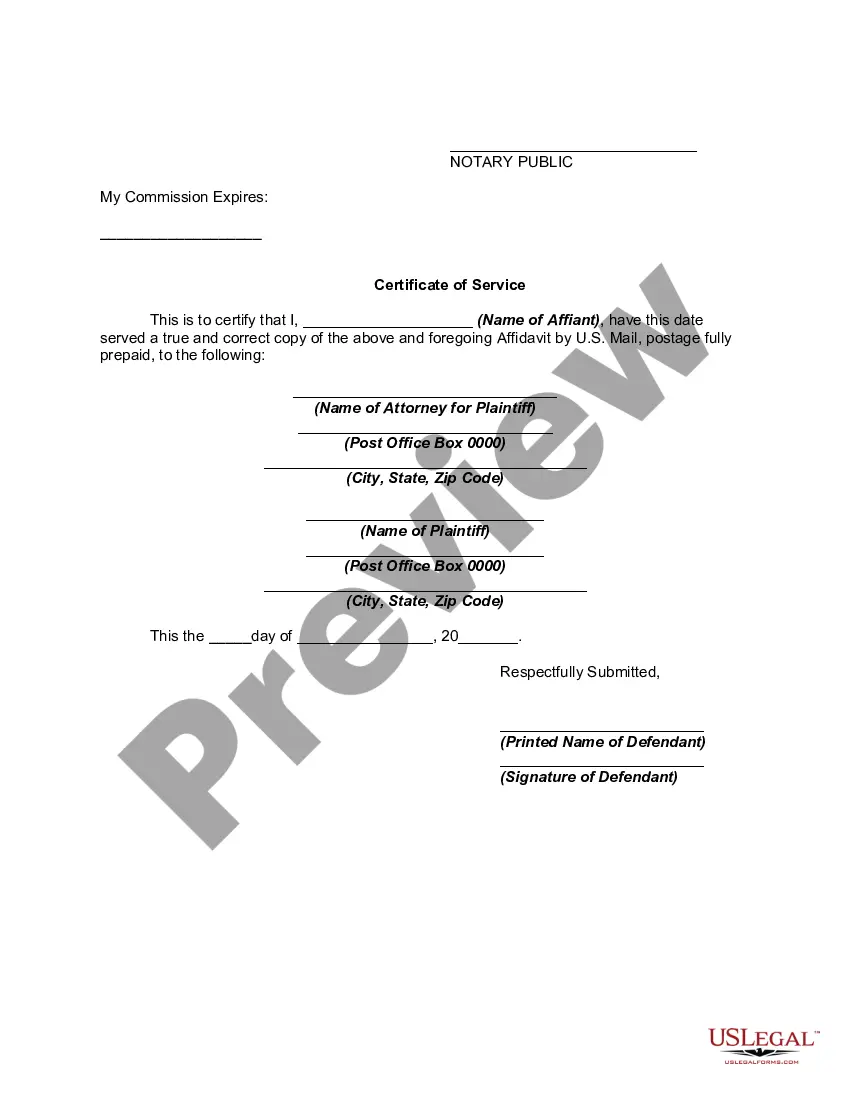




Get your form ready online
Our built-in tools help you complete, sign, share, and store your documents in one place.
Make edits, fill in missing information, and update formatting in US Legal Forms—just like you would in MS Word.
Download a copy, print it, send it by email, or mail it via USPS—whatever works best for your next step.
Sign and collect signatures with our SignNow integration. Send to multiple recipients, set reminders, and more. Go Premium to unlock E-Sign.
If this form requires notarization, complete it online through a secure video call—no need to meet a notary in person or wait for an appointment.
We protect your documents and personal data by following strict security and privacy standards.

Make edits, fill in missing information, and update formatting in US Legal Forms—just like you would in MS Word.

Download a copy, print it, send it by email, or mail it via USPS—whatever works best for your next step.

Sign and collect signatures with our SignNow integration. Send to multiple recipients, set reminders, and more. Go Premium to unlock E-Sign.

If this form requires notarization, complete it online through a secure video call—no need to meet a notary in person or wait for an appointment.

We protect your documents and personal data by following strict security and privacy standards.
Looking for another form?



Form popularity
FAQ
If the judge overrules a demurrer, the court is allowing the claim or case to proceed. In legal terms, the demurring party asserts that the complaint or counterclaim does not amount to a legally valid claim, even if the factual allegations contained in the complaint or counterclaim are accepted as true.
At least 9 court days before the hearing date, the opposition to the demurrer must be filed and served on all parties that have appeared in the action.
Appealing a Demurrer in California Orders granting demurrers can be appealed, but it is important to understand whether the court gave the plaintiff “leave to amend” before appealing. If “leave to amend” was granted, the plaintiff should amend the complaint and refile it against the defendant in the same court.
Technically, a demurrer is not a motion; a party does not file a motion for demurrer nor move the court to demur. Rather, a demurrer is a particular type of pleading and demurring is the act by which a party formally requests the court to dismiss a cause of action (claim) or the entire complaint.
(c) If a party serves and files a notice of motion to strike without demurring to the complaint, the time to answer is extended and no default may be entered against that defendant, except as provided in Sections 585 and 586.
Motion to strike, dismiss or amplify. (a) A party deeming a pleading insufficient in form may file with the Commission a motion to strike. A party deeming a pleading insufficient in substance, or desiring to question the jurisdiction of the Commission, may file with the Commission a motion to dismiss.
Rules of Court, rule 3.1103(c).) An opposition to a demurrer should include the following: Papers styled as “opposition to demurrer” or “memorandum of points and authorities in opposition to demurrer” that contain facts, law, evidence and arguments relied on, and a discussion of the authorities cited.
Following a ruling on a demurrer, unless otherwise ordered, leave to answer or amend within 10 days is deemed granted, except for actions in forcible entry, forcible detainer, or unlawful detainer in which case 5 calendar days is deemed granted.
Rule 1028 - Preliminary Objections (a) Preliminary objections may be filed by any party to any pleading and are limited to the following grounds: (1) lack of jurisdiction over the subject matter of the action or the person of the defendant, improper venue or improper form or service of a writ of summons or a complaint; ...