Divorce Modification With Agreement In Palm Beach
Description

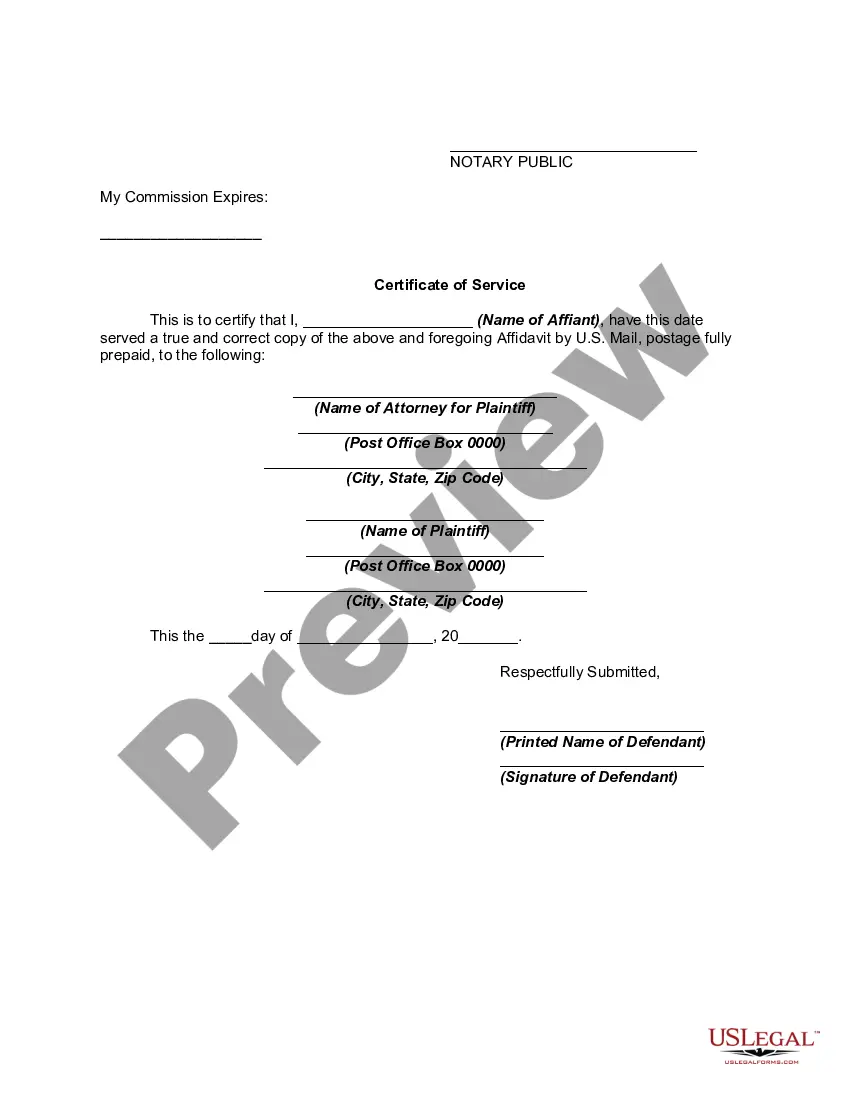




Get your form ready online
Our built-in tools help you complete, sign, share, and store your documents in one place.
Make edits, fill in missing information, and update formatting in US Legal Forms—just like you would in MS Word.
Download a copy, print it, send it by email, or mail it via USPS—whatever works best for your next step.
Sign and collect signatures with our SignNow integration. Send to multiple recipients, set reminders, and more. Go Premium to unlock E-Sign.
If this form requires notarization, complete it online through a secure video call—no need to meet a notary in person or wait for an appointment.
We protect your documents and personal data by following strict security and privacy standards.

Make edits, fill in missing information, and update formatting in US Legal Forms—just like you would in MS Word.

Download a copy, print it, send it by email, or mail it via USPS—whatever works best for your next step.

Sign and collect signatures with our SignNow integration. Send to multiple recipients, set reminders, and more. Go Premium to unlock E-Sign.

If this form requires notarization, complete it online through a secure video call—no need to meet a notary in person or wait for an appointment.

We protect your documents and personal data by following strict security and privacy standards.
Looking for another form?






Form popularity
FAQ
In Florida, there are two ways to modify a divorce decree: reach a mutual agreement with the other party before filing a request, or file the request for modification directly. If the parties can't agree, the process can be lengthy and involve serving the other party, discovery, mediation, and a court hearing.
Parenting time and child support, which are also part of a final decree, may also be modifiable. At the time a divorce is finalized by court order, so are visitation and custody agreements.
Under Florida state law, individuals seeking a divorce decree modification must file a petition with their local circuit court. The petition for modification must be in writing and should outline the requested changes. This petition will initiate the process of revising the existing agreement.
However, if you received a truly unfair or unjust divorce settlement, you may be able to ask a court to reopen your case and take a second look at how the deal was made and whether or not it's unjust.
Yes, you can amend a marital settlement, with both parties agreeing.
For the most part, all of the important, ongoing issues attached to a settlement agreement can be modified. Where people run into trouble is if they get railroaded by their spouse during the initial proceedings and simply agree to give them what they want to get out of a bad situation.
A Divorce Agreement must contain the following information for it to be legally valid: Date of the agreement. Full name of both spouses. Marriage date and location. Date of marriage end. Child support and custody arrangements. Spousal support terms and conditions. Life and health insurance.
In California, divorce settlements are not set in stone and can be modified under certain circumstances. Whether due to changes in financial status, child-related issues, or other significant life events, it is possible to seek adjustments to the terms of a divorce agreement.
Amending Your Divorce Decree via a Change of Circumstances If one party undergoes a material or other substantial change in their life situation, they may be able to seek a modification of the original divorce decree. The party must have a significant change in these cases.
