Motion To Strike Form For Untimely Filing In Ohio
Description

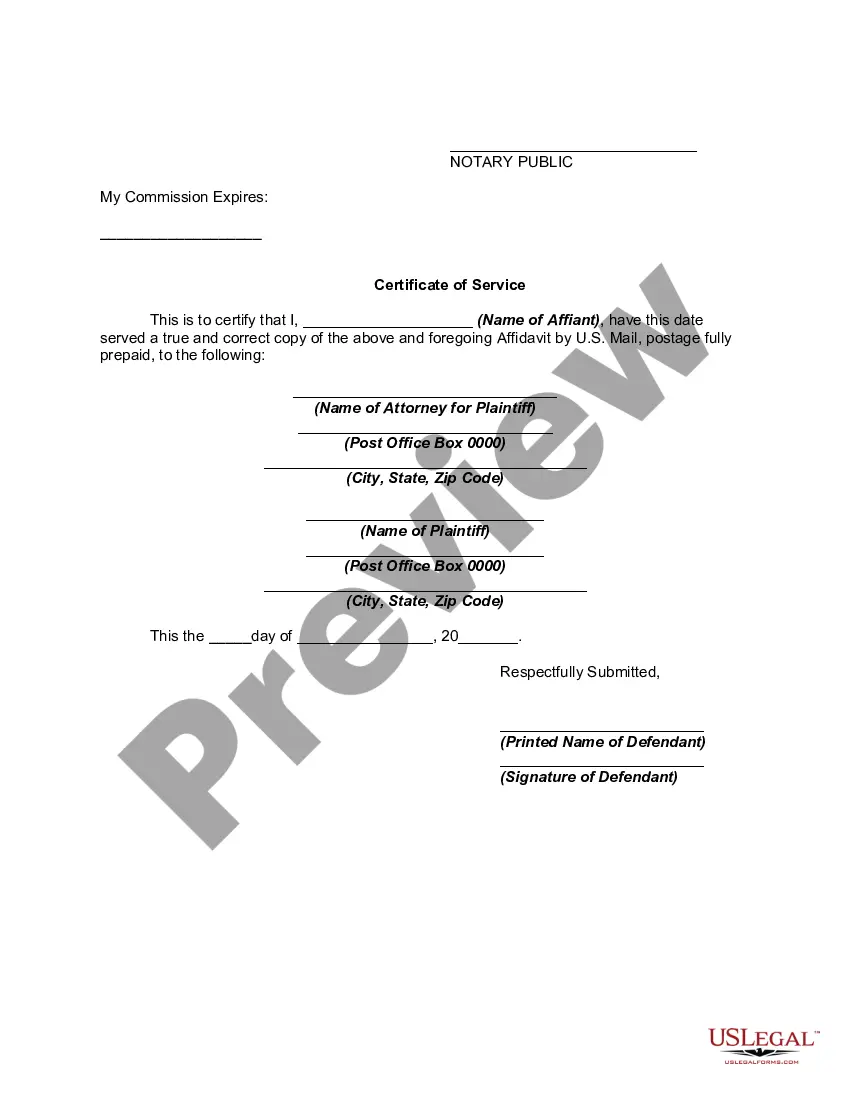




Get your form ready online
Our built-in tools help you complete, sign, share, and store your documents in one place.
Make edits, fill in missing information, and update formatting in US Legal Forms—just like you would in MS Word.
Download a copy, print it, send it by email, or mail it via USPS—whatever works best for your next step.
Sign and collect signatures with our SignNow integration. Send to multiple recipients, set reminders, and more. Go Premium to unlock E-Sign.
If this form requires notarization, complete it online through a secure video call—no need to meet a notary in person or wait for an appointment.
We protect your documents and personal data by following strict security and privacy standards.

Make edits, fill in missing information, and update formatting in US Legal Forms—just like you would in MS Word.

Download a copy, print it, send it by email, or mail it via USPS—whatever works best for your next step.

Sign and collect signatures with our SignNow integration. Send to multiple recipients, set reminders, and more. Go Premium to unlock E-Sign.

If this form requires notarization, complete it online through a secure video call—no need to meet a notary in person or wait for an appointment.

We protect your documents and personal data by following strict security and privacy standards.
Looking for another form?
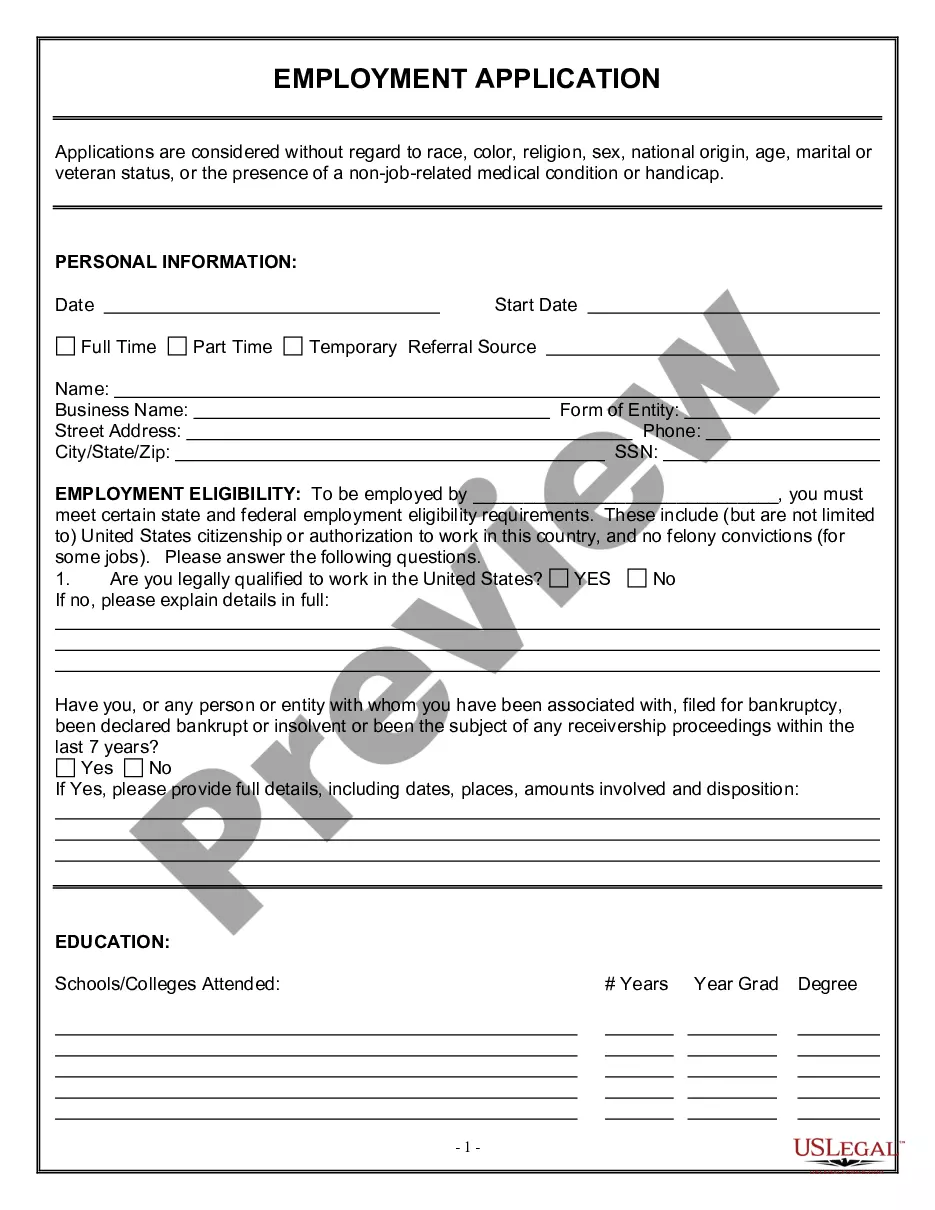






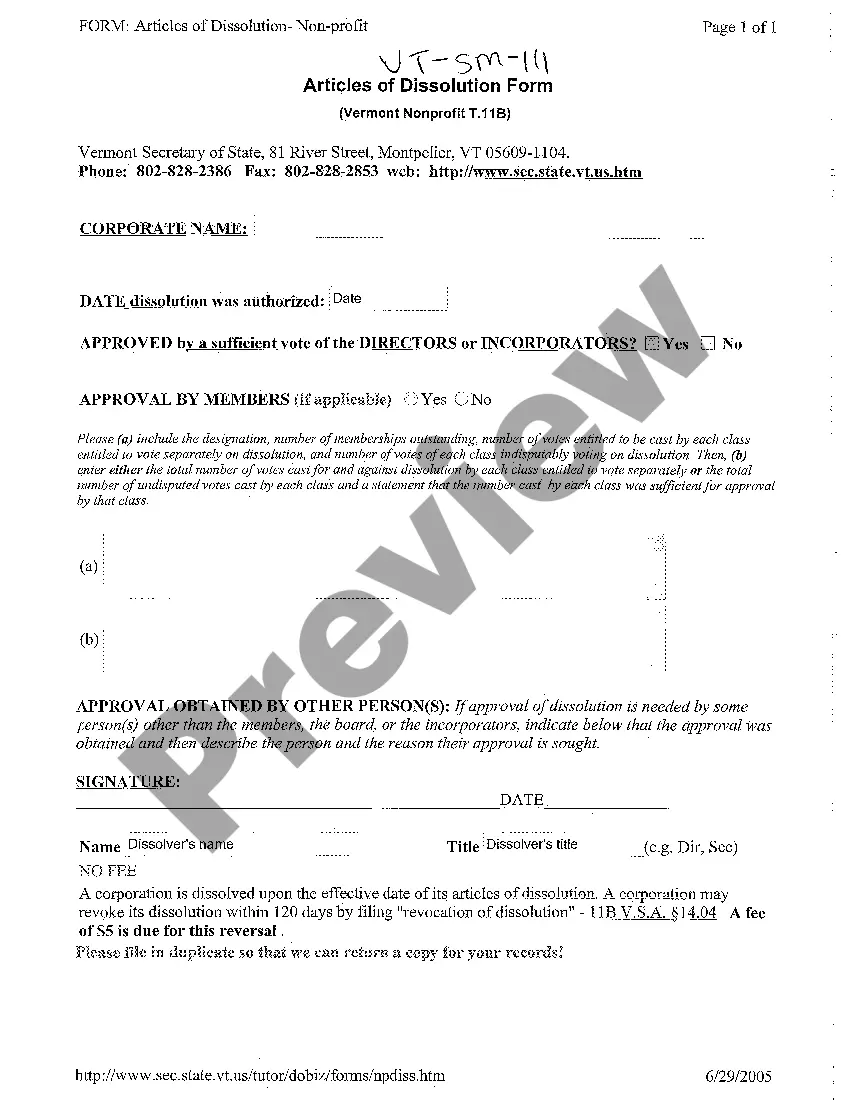
Form popularity
FAQ
Rule 12(f) provides in relevant part that on motion or sua sponte, “the court may strike from a pleading . . . any redundant, immaterial, impertinent, or scandalous matter.” If Lexis annotations are a guide, relatively few litigants file Rule 12(f) motions on those grounds—and with good reason.
A motion to strike is a request to a judge that part of a party's pleading or a piece of evidence be removed from the record. During the pleading stage, this can be accomplished by a tool such as Rule 12(f) of the Federal Rules of Civil Procedure or a state equivalent.
All words any words phrase. motion to strike. n. a request for a judge's order to eliminate all or a portion of the legal pleading (complaint, answer) of the opposition on any one of several grounds. It is often used in an attempt to have an entire cause of action removed ("stricken") from the court record.
A crime is a strike if it is either a “serious” or “violent” felony. California Three Strikes Law. California's Three Strikes Law, passed in 1994, is one the harshest sentencing schemes in the country.
Civil Rule 45 (D) Duties in responding to subpoena. A person producing documents pursuant to a subpoena for them shall permit their inspection and copying by all parties present at the time and place set in the subpoena for inspection and copying.
A motion to strike is a request to a judge that part of a party's pleading or a piece of evidence be removed from the record.
Motion to Strike This asks the court to take something out of the Complaint because it is not understandable, it is repetitive, it isn't legal, or it doesn't matter. This motion can help to limit what the case is about so you do not have to defend that part of the case.
Rule 26 - General Provisions Governing Discovery (A)Policy; discovery methods It is the policy of these rules (1) to preserve the right of attorneys to prepare cases for trial with that degree of privacy necessary to encourage them to prepare their cases thoroughly and to investigate not only the favorable but the ...
Rule 26 - General Provisions Governing Discovery (A)Policy; discovery methods It is the policy of these rules (1) to preserve the right of attorneys to prepare cases for trial with that degree of privacy necessary to encourage them to prepare their cases thoroughly and to investigate not only the favorable but the ...
