Affidavit Of Surviving Spouse/dependency With Undertaking Sss In Ohio
Description
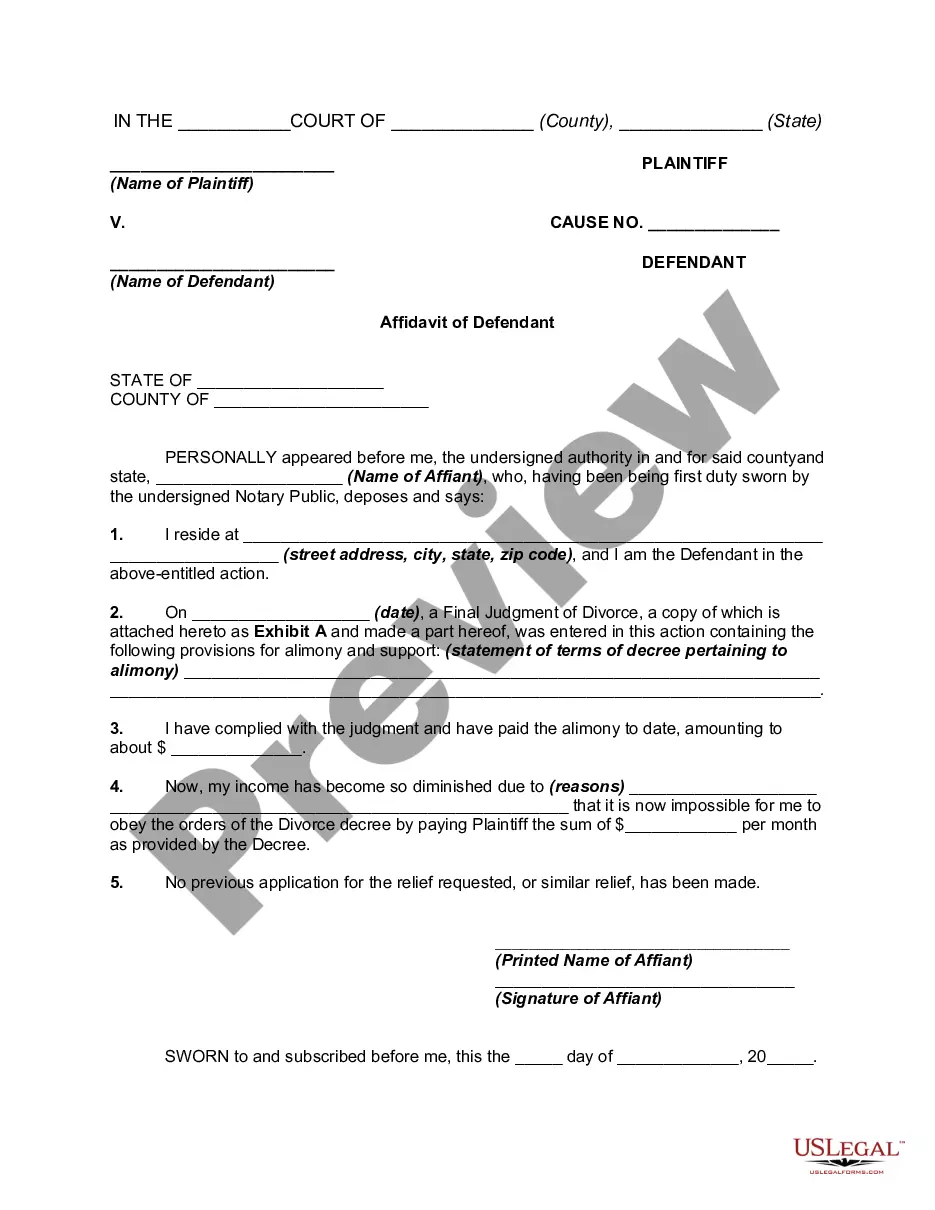
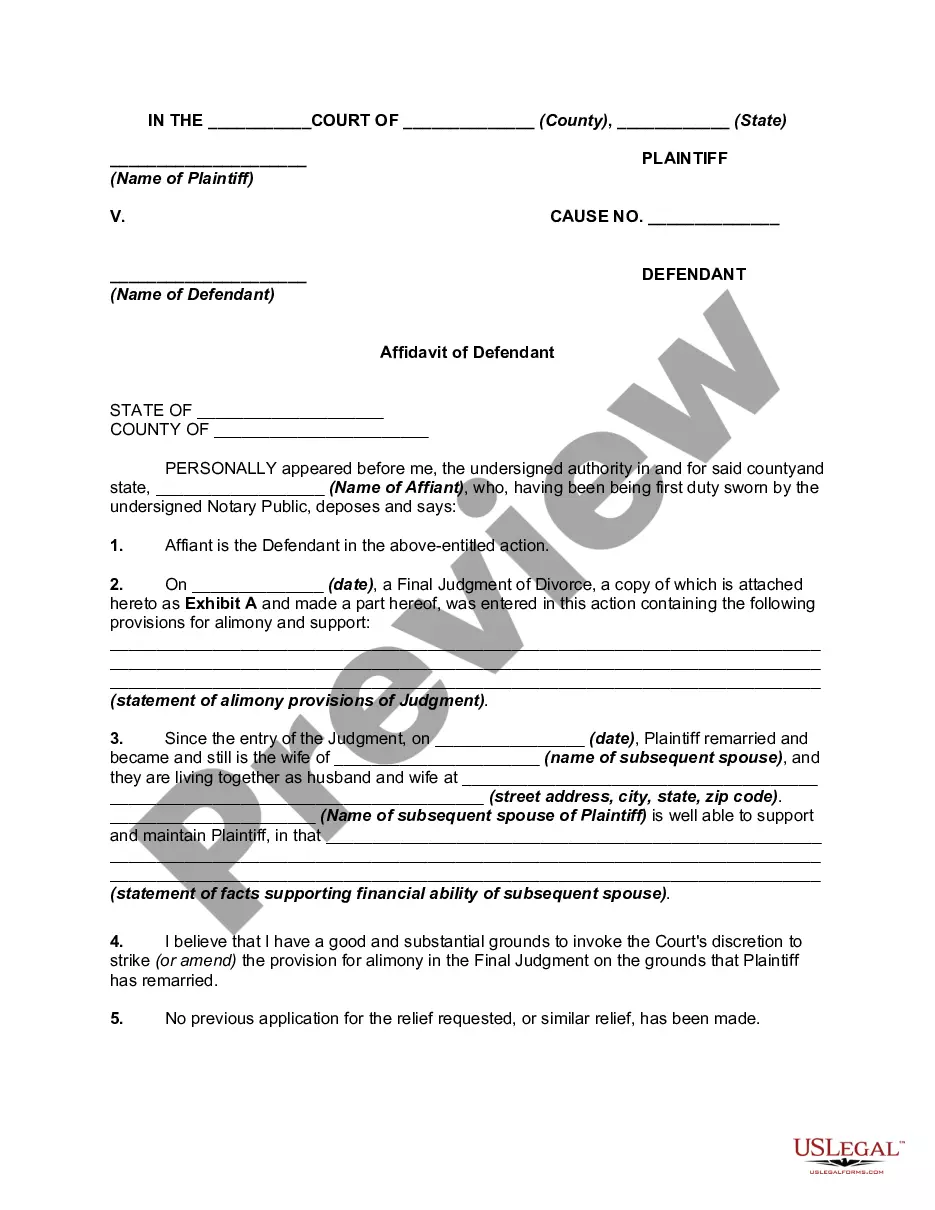
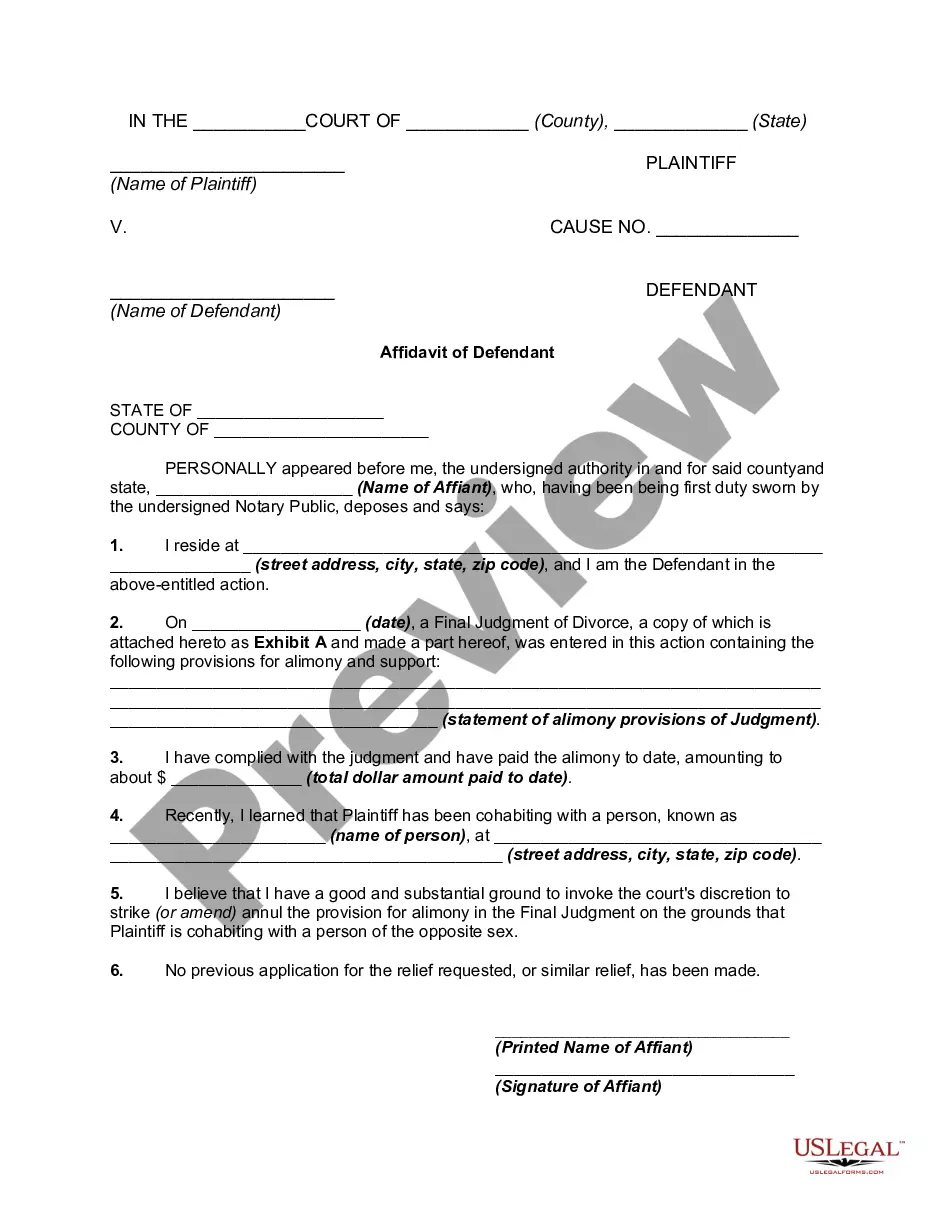
Get your form ready online
Our built-in tools help you complete, sign, share, and store your documents in one place.
Make edits, fill in missing information, and update formatting in US Legal Forms—just like you would in MS Word.
Download a copy, print it, send it by email, or mail it via USPS—whatever works best for your next step.
Sign and collect signatures with our SignNow integration. Send to multiple recipients, set reminders, and more. Go Premium to unlock E-Sign.
If this form requires notarization, complete it online through a secure video call—no need to meet a notary in person or wait for an appointment.
We protect your documents and personal data by following strict security and privacy standards.

Make edits, fill in missing information, and update formatting in US Legal Forms—just like you would in MS Word.

Download a copy, print it, send it by email, or mail it via USPS—whatever works best for your next step.

Sign and collect signatures with our SignNow integration. Send to multiple recipients, set reminders, and more. Go Premium to unlock E-Sign.

If this form requires notarization, complete it online through a secure video call—no need to meet a notary in person or wait for an appointment.

We protect your documents and personal data by following strict security and privacy standards.
Looking for another form?
Form popularity
FAQ
For a Surviving Spouse, Most of the Estate Will Not Pass Through Probate. As a married couple, most of the property and assets you have are jointly owned. That means that when one of you dies, the other simply becomes the sole owner of the assets.
Introduction. If you have a survivorship deed and one of you dies, the remaining owner can file an affidavit of joint survivor. This will correct the deed, so that it is only in the survivor's name. This allows the joint survivor to avoid probate, at least pertaining to this piece of real property.
Regardless of the choices detailed directly above, Ohio law dictates that $40,000.00 is set aside from the assets of an estate if the deceased died leaving a surviving spouse and/or minor children. This is commonly known as a “spousal allowance” or “family allowance”, and is considered a priority claim.
Instructions for filling out deeds Read the entire form carefully. Enter all the names of the current owners of the property as the grantors on the deed. Enter all the names of the persons you want to be owners of the property as the grantees. Attach the legal description of the property from the prior deed.
In Ohio, a survivorship deed creates a “joint tenancy” between two or more owners. It ensures that the interest rights of a property will be passed to the surviving owner(s) in the event of the other tenant's death automatically.
How to create a Transfer on Death for your home Choose your recipients. You can choose one or more people to become owner of any home or land that you own. Find a copy of your deed. Complete the TOD for real estate form. Take the form to a notary. Submit the form at your County Recorder's Office.
How to set up a right of survivorship deed Held by all tenants/owners. Equal among all tenants/owners. Documented the same way (like a deed or in a will). Held at the same time.
Fill out the affidavit completely. Sign the document in front of a notary. Attach a "certified" copy of the death certificate. Also attach a "legal description" of the property to be transferred (a copy of the survivorship deed or transfer on death designation or deed will suffice).
The form is fairly straightforward and requires the following information: Name, address, and date of death of the decedent. Whether the deceased person was ever married. Names of the surviving heirs. Statement that the deceased did not leave a will. Statement that you are an heir under your state intestacy law.
You'll need to request the form from your county clerk or draft a document detailing the following about the property: Whether right of survivorship exists. Whether the property will become the property of the survivor. Whether the property will vest in and belong to the surviving spouse.