Surviving Spouse Requirements In Nevada
Description

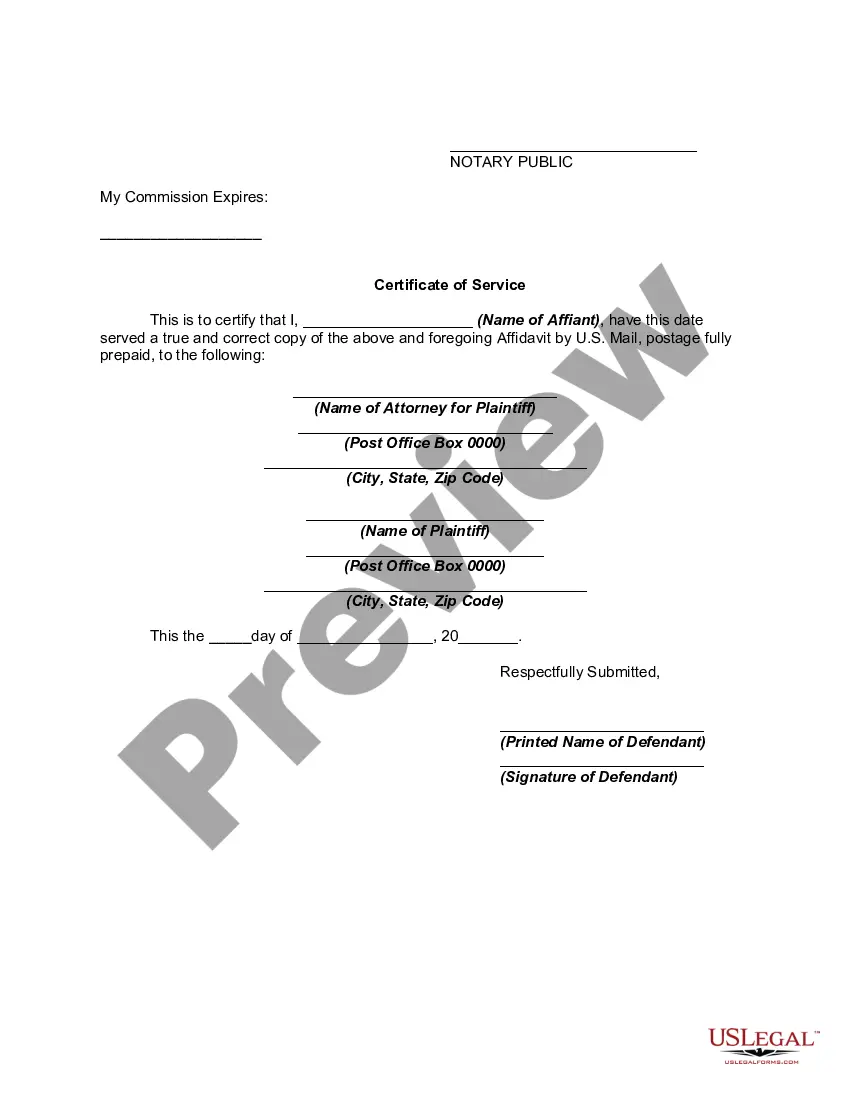




Get your form ready online
Our built-in tools help you complete, sign, share, and store your documents in one place.
Make edits, fill in missing information, and update formatting in US Legal Forms—just like you would in MS Word.
Download a copy, print it, send it by email, or mail it via USPS—whatever works best for your next step.
Sign and collect signatures with our SignNow integration. Send to multiple recipients, set reminders, and more. Go Premium to unlock E-Sign.
If this form requires notarization, complete it online through a secure video call—no need to meet a notary in person or wait for an appointment.
We protect your documents and personal data by following strict security and privacy standards.

Make edits, fill in missing information, and update formatting in US Legal Forms—just like you would in MS Word.

Download a copy, print it, send it by email, or mail it via USPS—whatever works best for your next step.

Sign and collect signatures with our SignNow integration. Send to multiple recipients, set reminders, and more. Go Premium to unlock E-Sign.

If this form requires notarization, complete it online through a secure video call—no need to meet a notary in person or wait for an appointment.

We protect your documents and personal data by following strict security and privacy standards.
Looking for another form?








Form popularity
FAQ
This “portable” exclusion is known as the deceased spouse unused exclusion (DSUE). A surviving spouse can utilize the DSUE to lower or even potentially avoid their own estate or gift tax liability entirely.
To claim a personal exemption for a spouse, the taxpayers must be married by the last day of the year, or. the spouse must have died during the year, and the taxpayer must not have remarried during the year. on separate return, if married filing separately, spouse must have no gross income.
SURVIVING SPOUSE'S EXEMPTION (NRS 361.080) The Surviving Spouse Exemption is in the amount of $1,670 assessed value. To apply for this exemption you must: Possess a valid Nevada Driver's License or Identification Card. Provide a copy of your spouse's death certificate.
Spouses and ex-spouses You may be eligible if you: Are age 60 or older, or age 50–59 if you have a disability, and. Were married for at least 9 months before your spouse's death, and. Didn't remarry before age 60 (age 50 if you have a disability).
First, if you have no children and die intestate in Nevada, your spouse would inherit your entire estate.
Taxpayers can claim the qualifying surviving spouse filing status if all of the following conditions are met: You were entitled to file a joint return with your spouse for the year your spouse died. Have had a spouse who died in either of the two prior years. You must not remarry before the end of the current tax year.
Sections 14 and 15 of this bill entitle each person who is 66 years of age or older who: (1) owns his or her primary residence and whose household income is less than or equal to the federally designated level signifying poverty to receive a partial refund of the property taxes due for the fiscal year in which a claim ...
In Nevada, as a community property state, upon the death of one spouse, and in the absence of a premarital or post nuptial agreement to the contrary, the community property vests one-half in the surviving spouse automatically as his or her sole and separate property and one-half in the decedent's estate subject to the ...
The Last Surviving Spouse Rule is a legal provision that addresses the distribution of assets when one spouse passes away, leaving the surviving spouse as the sole heir. This rule comes into play when a couple holds assets jointly, such as real estate, bank accounts, or investments.
This “portable” exclusion is known as the deceased spouse unused exclusion (DSUE). A surviving spouse can utilize the DSUE to lower or even potentially avoid their own estate or gift tax liability entirely.
