Surviving Spouse Requirements In Kings
Description

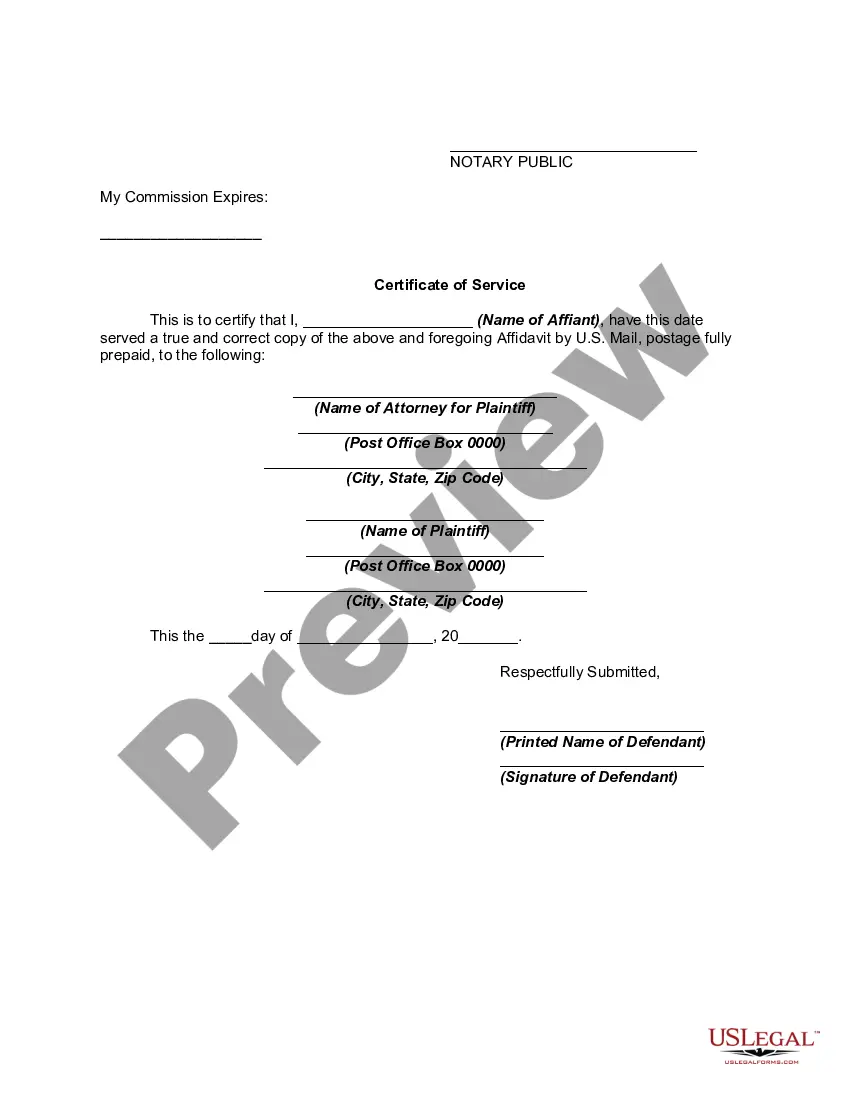




Get your form ready online
Our built-in tools help you complete, sign, share, and store your documents in one place.
Make edits, fill in missing information, and update formatting in US Legal Forms—just like you would in MS Word.
Download a copy, print it, send it by email, or mail it via USPS—whatever works best for your next step.
Sign and collect signatures with our SignNow integration. Send to multiple recipients, set reminders, and more. Go Premium to unlock E-Sign.
If this form requires notarization, complete it online through a secure video call—no need to meet a notary in person or wait for an appointment.
We protect your documents and personal data by following strict security and privacy standards.

Make edits, fill in missing information, and update formatting in US Legal Forms—just like you would in MS Word.

Download a copy, print it, send it by email, or mail it via USPS—whatever works best for your next step.

Sign and collect signatures with our SignNow integration. Send to multiple recipients, set reminders, and more. Go Premium to unlock E-Sign.

If this form requires notarization, complete it online through a secure video call—no need to meet a notary in person or wait for an appointment.

We protect your documents and personal data by following strict security and privacy standards.
Looking for another form?
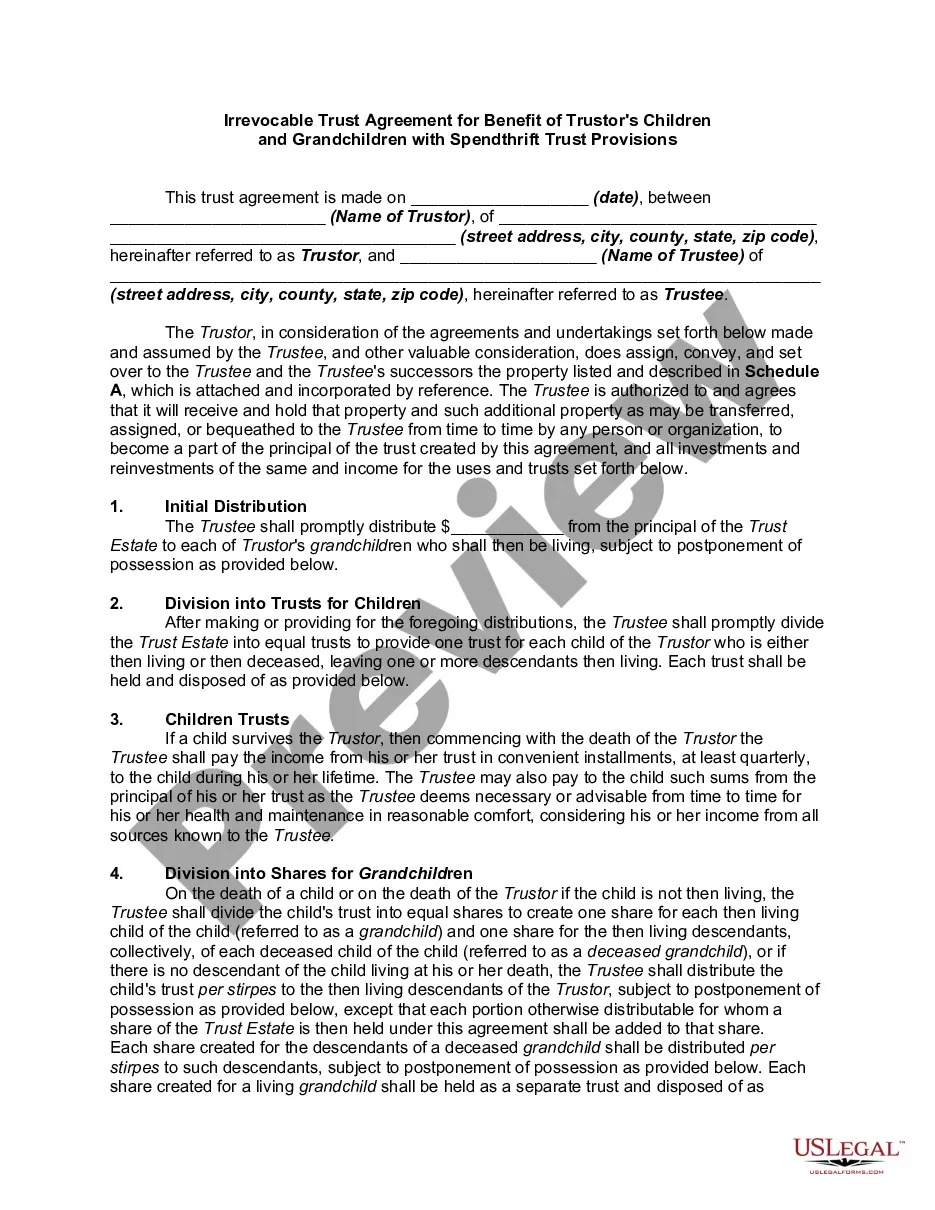
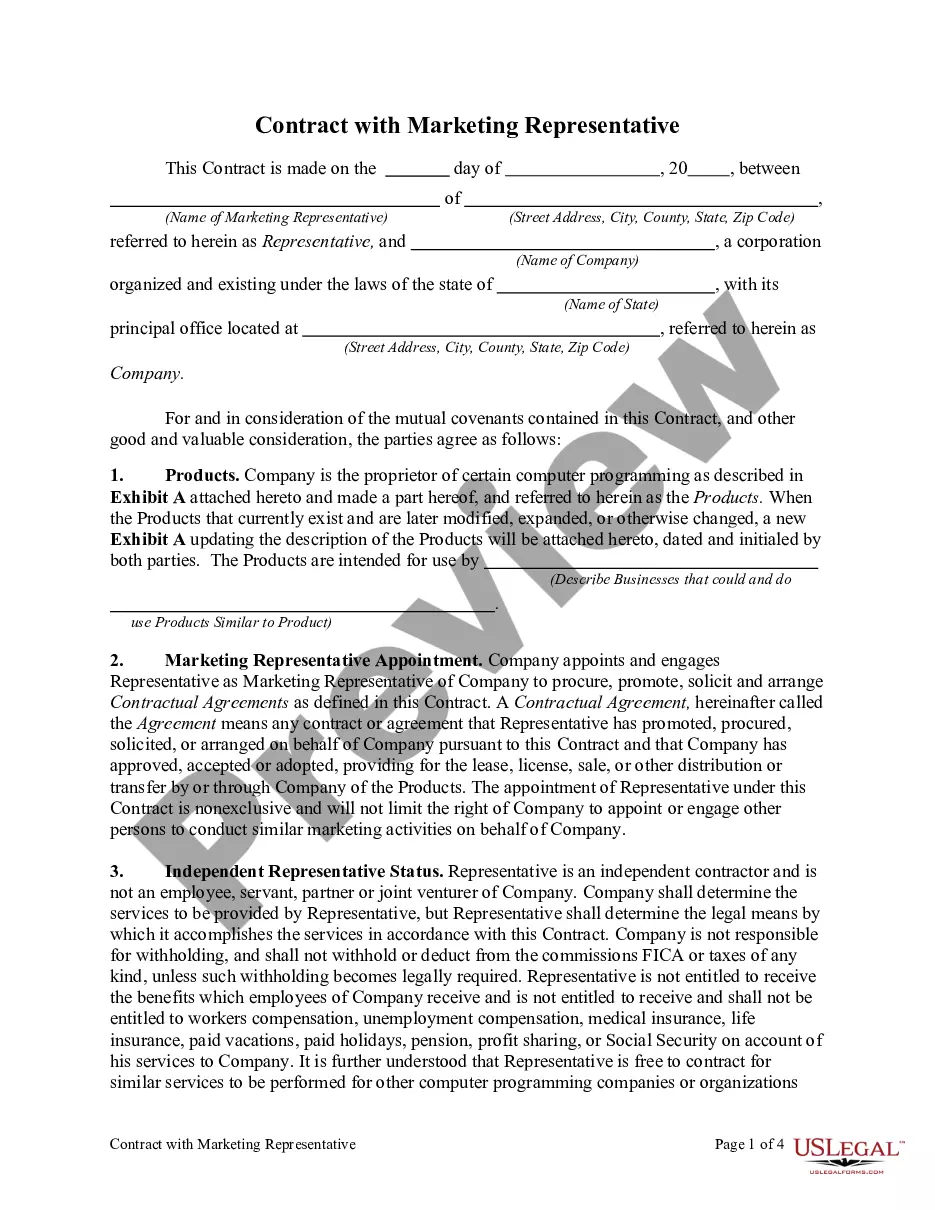





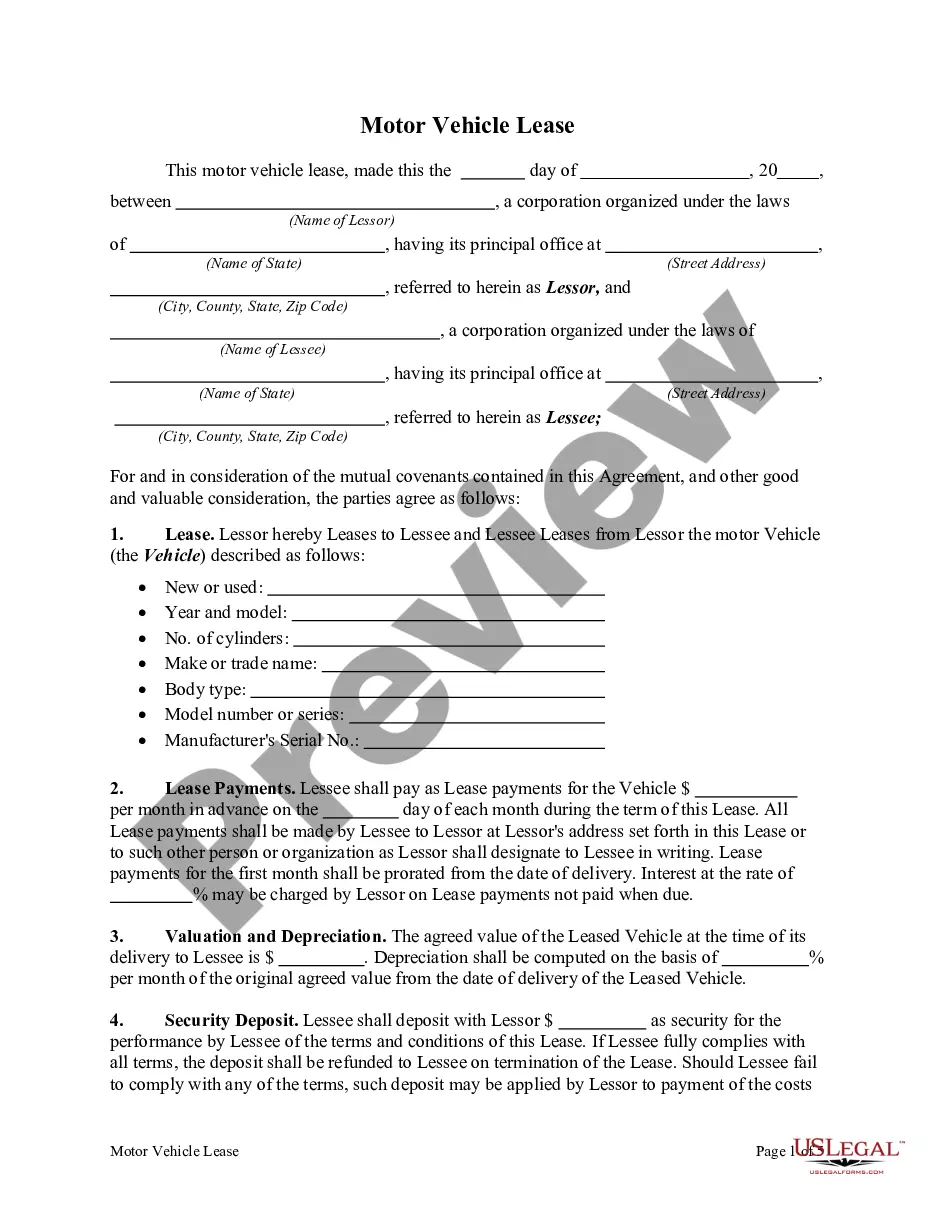


Form popularity
FAQ
An executor should be someone who's trustworthy, financially responsible, organized and respected by the beneficiaries.
The job of a Personal Representative is essentially the same as that of an Executor. The primary difference between the two is that an Executor is nominated by the decedent in his/her Will whereas a PR either volunteers or is appointed directly by the court when no valid Will was left behind by the decedent.
California intestacy laws outline a specific order in which the deceased's family members are entitled to inherit property and what portion of the assets each should receive. If your deceased spouse died with no surviving children, parents, siblings, nieces, or nephews, you are entitled to inherit everything.
For example, the personal representative has the power to acquire or dispose of an asset and sell, mortgage, or lease any real or personal property of the estate.
After 15 years, the surviving spouse is entitled to 50 percent.
Spouses in New York Inheritance Law If you and your spouse have no biological or adopted children together, and you have no children outside this marriage, then your spouse will receive all of your property.
Some states use the term Personal Representative, and some states use the term Executor. In the end, both roles involve the responsible handling of the deceased's assets, debts, and final wishes, ensuring that the distribution process follows legal protocols and the desires of the departed individual.
Payments start at 71.5% of your spouse's benefit and increase the longer you wait to apply. For example, you might get: Over 75% at age 61. Over 80% at age 63.
Surviving spouse, at full retirement age or older, generally gets 100% of the worker's basic benefit amount. Surviving spouse, age 60 or older, but under full retirement age, gets between 71% and 99% of the worker's basic benefit amount.
Only about a third of all states have laws specifying that assets owned by the deceased are automatically inherited by the surviving spouse. In the remaining states, the surviving spouse may inherit between one-third and one-half of the assets, with the remainder divided among surviving children, if applicable.
