Spousal Support Calculator In Bc In Harris
Description

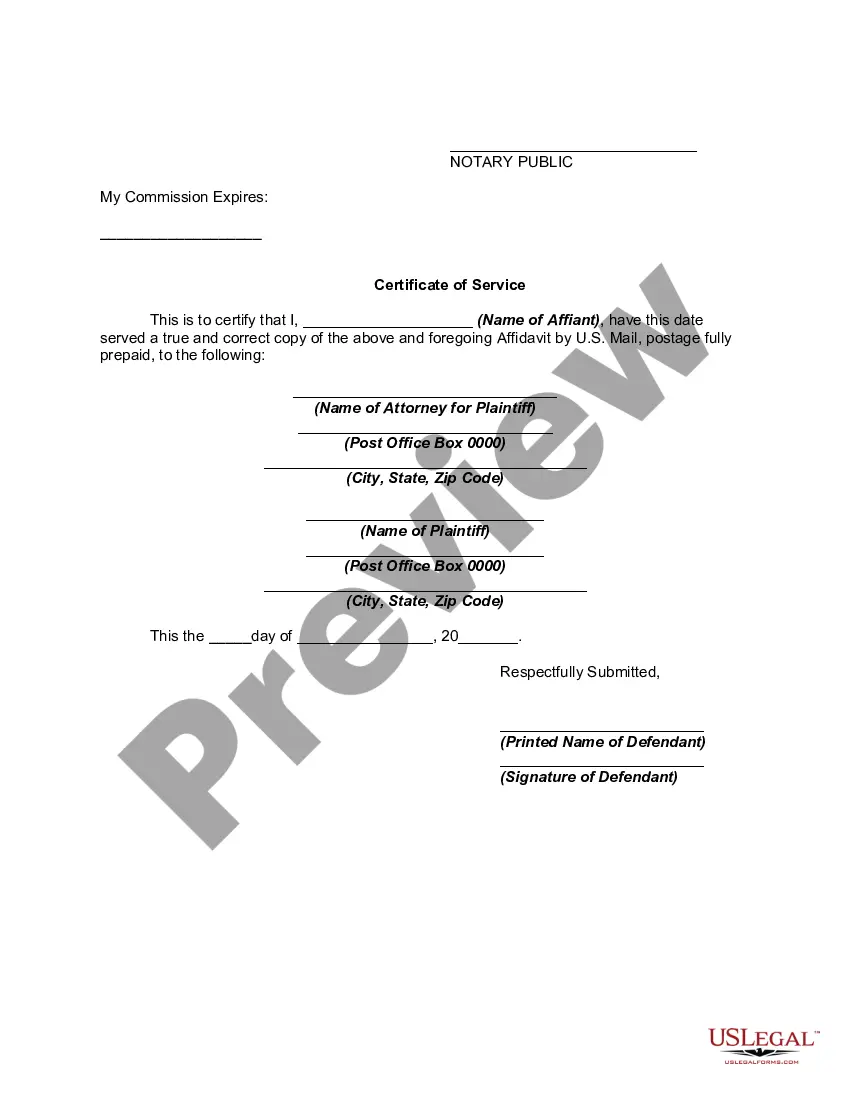




Get your form ready online
Our built-in tools help you complete, sign, share, and store your documents in one place.
Make edits, fill in missing information, and update formatting in US Legal Forms—just like you would in MS Word.
Download a copy, print it, send it by email, or mail it via USPS—whatever works best for your next step.
Sign and collect signatures with our SignNow integration. Send to multiple recipients, set reminders, and more. Go Premium to unlock E-Sign.
If this form requires notarization, complete it online through a secure video call—no need to meet a notary in person or wait for an appointment.
We protect your documents and personal data by following strict security and privacy standards.

Make edits, fill in missing information, and update formatting in US Legal Forms—just like you would in MS Word.

Download a copy, print it, send it by email, or mail it via USPS—whatever works best for your next step.

Sign and collect signatures with our SignNow integration. Send to multiple recipients, set reminders, and more. Go Premium to unlock E-Sign.

If this form requires notarization, complete it online through a secure video call—no need to meet a notary in person or wait for an appointment.

We protect your documents and personal data by following strict security and privacy standards.
Looking for another form?








Form popularity
FAQ
How is the Amount of Alimony Determined? Supporting Spouse's Ability to Pay. The Best Interest of Children. The Lenght of a Marriage. The Ability to Earn. Standard of Living the Spouses Maintained During the Marriage. Educational or Emotional Support.
The spousal support amount ranges from 1.5 to 2 percent of the difference between the spouses' gross incomes for each year of the relationship up to a maximum of 50 percent. For marriages of 25 years or longer, the range is from 37.5 to 50 percent of the income difference, practically equalizing the incomes.
There are a few ways to terminate spousal support or alimony in BC. The most common way is to reach a permanent or final agreement with your former spouse. This can be done through negotiation, mediation, or arbitration. If you can't reach an agreement, you can go to court and ask for a judge to decide.
The rule of 65 is this: add the number of years of cohabitation/marriage to the age of the support recipient on the date of separation; if those numbers added together total 65 or more, spousal support is indefinite.
Here are eight ways to avoid getting and paying spousal support in Canada: 1) Ensure Good Settlement Agreement. 2) Maintain the Standard of Living. 3) Quicken and Secure the Divorce. 4) Prove Spouse Adultery. 5) Show The Lack of Needing Support. 6) Bring Up a Previous Agreement. 7) Note Personal Financial Hardship.
Studies show those with cohabitation experience are 50-80% more likely to divorce than couples who have not lived together before marriage.
There is no legislated formula for long-term spousal support. Unlike with temporary support, there is also not a rule-of-thumb formula. Instead, a judge will weigh the totality of the circumstances in issuing their order. Those circumstances are broadly outlined in CA Family Code § 4320.
If both spouses are self-supporting at or above the marital standard of living, the recipient has committed domestic violence against the paying spouse, or the recipient accept a buyout, you may be able to avoid paying spousal support in California.
