Motion To Strike Form For More Definite Statement In Fulton
Description

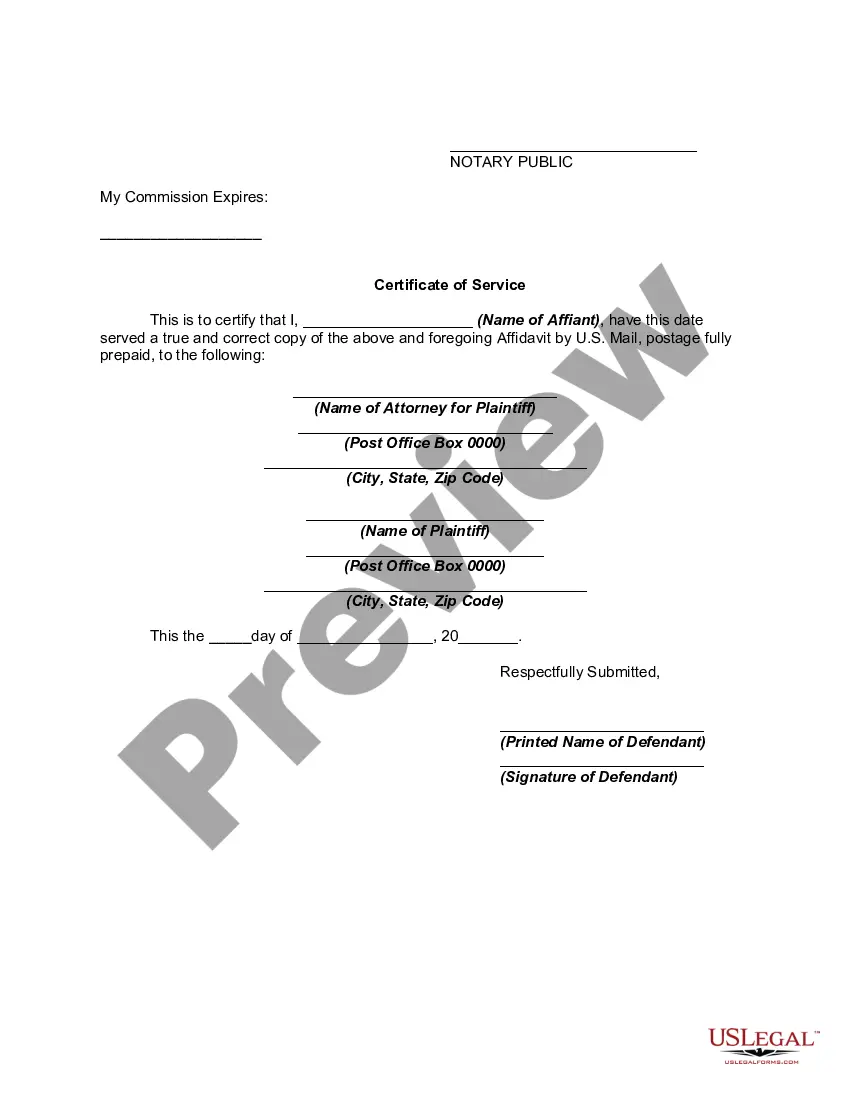




Get your form ready online
Our built-in tools help you complete, sign, share, and store your documents in one place.
Make edits, fill in missing information, and update formatting in US Legal Forms—just like you would in MS Word.
Download a copy, print it, send it by email, or mail it via USPS—whatever works best for your next step.
Sign and collect signatures with our SignNow integration. Send to multiple recipients, set reminders, and more. Go Premium to unlock E-Sign.
If this form requires notarization, complete it online through a secure video call—no need to meet a notary in person or wait for an appointment.
We protect your documents and personal data by following strict security and privacy standards.

Make edits, fill in missing information, and update formatting in US Legal Forms—just like you would in MS Word.

Download a copy, print it, send it by email, or mail it via USPS—whatever works best for your next step.

Sign and collect signatures with our SignNow integration. Send to multiple recipients, set reminders, and more. Go Premium to unlock E-Sign.

If this form requires notarization, complete it online through a secure video call—no need to meet a notary in person or wait for an appointment.

We protect your documents and personal data by following strict security and privacy standards.
Looking for another form?




Form popularity
FAQ
(1) If during a trial by jury a party has been fully heard on an issue and there is no legally sufficient evidentiary basis for a reasonable jury to find for that party on that issue, the court may determine the issue against that party and may grant a motion for judgment as a matter of law against that party with ...
Summary. Rule 12(f) allows courts to strike redundant, immaterial, impertinent, or scandalous matter from pleadings. Judge Hollander's opinion in Blevins v. Piatt provides clear criteria for granting or denying a Rule 12(f) motion.
The response must be filed within 10 days after service of the motion unless the court shortens or extends the time. A motion authorized by Rules 8, 9, 18, or 41 may be granted before the 10-day period runs only if the court gives reasonable notice to the parties that it intends to act sooner.
A motion for a more definite statement is a request made by one party to the court asking the other party to clarify their vague or unclear statement in a legal document. This is done when the first party cannot respond properly to the unclear statement.
(e) Motion for More Definite Statement. If a pleading to which a responsive pleading is permitted is so vague or ambiguous that a party cannot reasonably be required to frame a responsive pleading, the party may move for a more definite statement before interposing the party's responsive pleadings.
A motion for a more definite statement must be filed before filing a responsive pleading. FRCP 12(e). Therefore, unless ordered otherwise by the court, the motion must be filed within 21 days after being served with a summons and complaint, or within 60 days if service of the complaint was timely waived.
These include dismissals for: (b)(1) a lack of subject-matter jurisdiction. (b)(2) a lack of personal jurisdiction. (b)(3) improper venue.
The Federal Rules of Civil Procedure states that "The court may strike from a pleading an insufficient defense or any redundant, immaterial, impertinent, or scandalous matter." Similarly, for example, the California Code of Civil Procedure provides that a motion to strike may be made to strike out any "irrelevant, ...
Before a case is called for trial, additional parties necessary or proper parties to the suit, may be brought in, either by the plaintiff or the defendant, upon such terms as the court may prescribe; but not at a time nor in a manner to unreasonably delay the trial of the case.
