Spouse Support Form For Dementia In Texas
Description

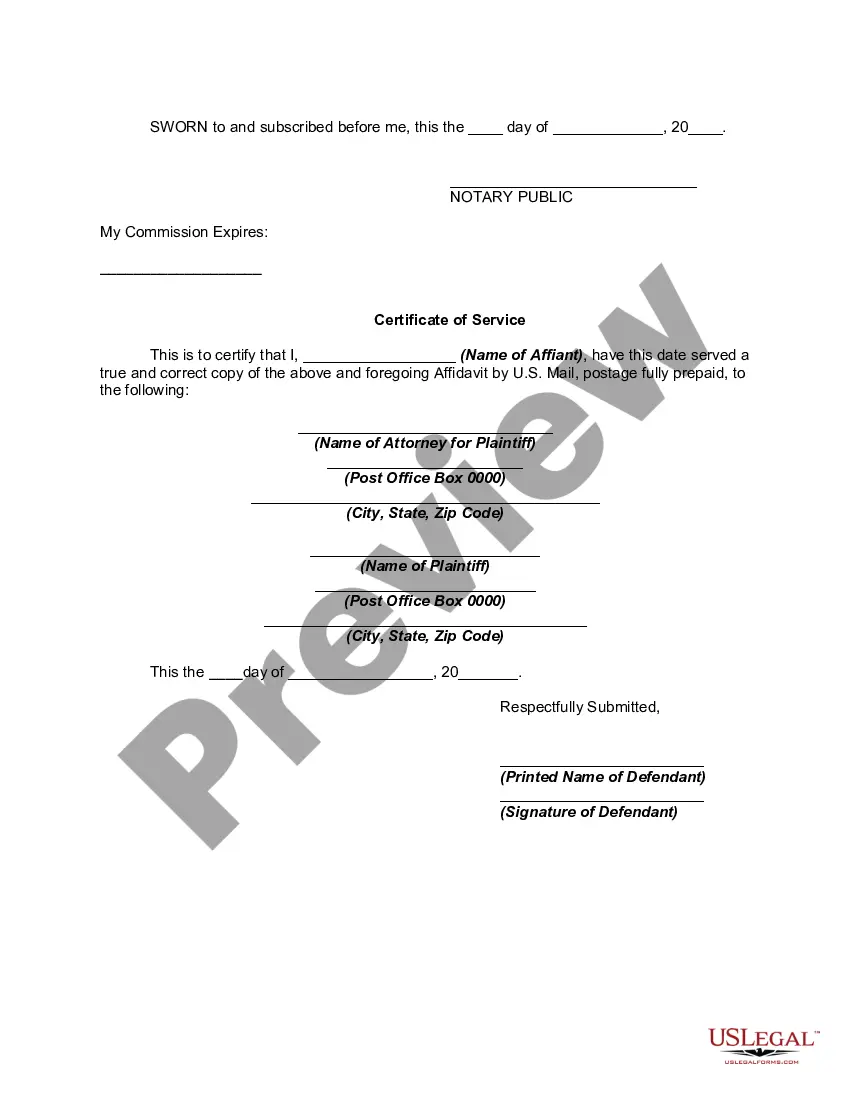



Get your form ready online
Our built-in tools help you complete, sign, share, and store your documents in one place.
Make edits, fill in missing information, and update formatting in US Legal Forms—just like you would in MS Word.
Download a copy, print it, send it by email, or mail it via USPS—whatever works best for your next step.
Sign and collect signatures with our SignNow integration. Send to multiple recipients, set reminders, and more. Go Premium to unlock E-Sign.
If this form requires notarization, complete it online through a secure video call—no need to meet a notary in person or wait for an appointment.
We protect your documents and personal data by following strict security and privacy standards.

Make edits, fill in missing information, and update formatting in US Legal Forms—just like you would in MS Word.

Download a copy, print it, send it by email, or mail it via USPS—whatever works best for your next step.

Sign and collect signatures with our SignNow integration. Send to multiple recipients, set reminders, and more. Go Premium to unlock E-Sign.

If this form requires notarization, complete it online through a secure video call—no need to meet a notary in person or wait for an appointment.

We protect your documents and personal data by following strict security and privacy standards.
Looking for another form?




Form popularity
FAQ
The person with dementia is no longer managing at home as well as they used to. For example, they are no longer able to do daily tasks, like eating, without the support of another person. The person is no longer safe at home. For example, they keep having falls.
You will have to petition the court to become their guardian. You should get a statement from their health care provider saying they are not competent to make financial or healthcare decisions. Then go to the courthouse and request guardianship for the person.
Alzheimer's disease – around eight to 10 years. Life expectancy is less if the person is diagnosed in their 80s or 90s. A few people with Alzheimer's live for longer, sometimes for 15 or even 20 years.
Three of the most common types of behavioral triggers in dementia patients are confusion, pain or discomfort, and a changing or overwhelming environment.
Assisted living facilities. Assisted living facilities have rooms or apartments. They're for people who may need some help with daily tasks but do not need around-the-clock care. Some assisted living facilities have special Alzheimer's units with staff who check on and care for people with dementia.
Tips for coping with agitation or aggression Be patient and try not to show frustration. Speak calmly. Create a comforting home setting. Try to keep to a routine, such as bathing, dressing, and eating at the same times each day. Try focusing on an object or activity. Protect yourself and others if needed.
Antidepressants. Antidepressants such as sertraline, citalopram, mirtazapine and trazodone are widely prescribed for people with dementia who develop changes in mood and behaviour. There is some evidence that they may help to reduce agitation – particularly citalopram.
Don't ask direct questions, listen and learn, and don't contradict. That's the TL;DR summary of the three golden rules of dementia. But applying them in the wrong context — and not knowing what to expect at each stage of dementia — can make using these rules much more challenging.
Antidepressants such as sertraline, citalopram, mirtazapine and trazodone are widely prescribed for people with dementia who develop changes in mood and behaviour. There is some evidence that they may help to reduce agitation – particularly citalopram.
Donanemab, like lecanemab, is a type of drug called a monoclonal antibody. Antibodies form part of our immune system and bind to harmful proteins to destroy them. Donanemab contains antibodies that bind to a protein called amyloid, which builds up in the brain in the early stages of Alzheimer's disease.
