Support A Motion Meaning In Riverside
Description

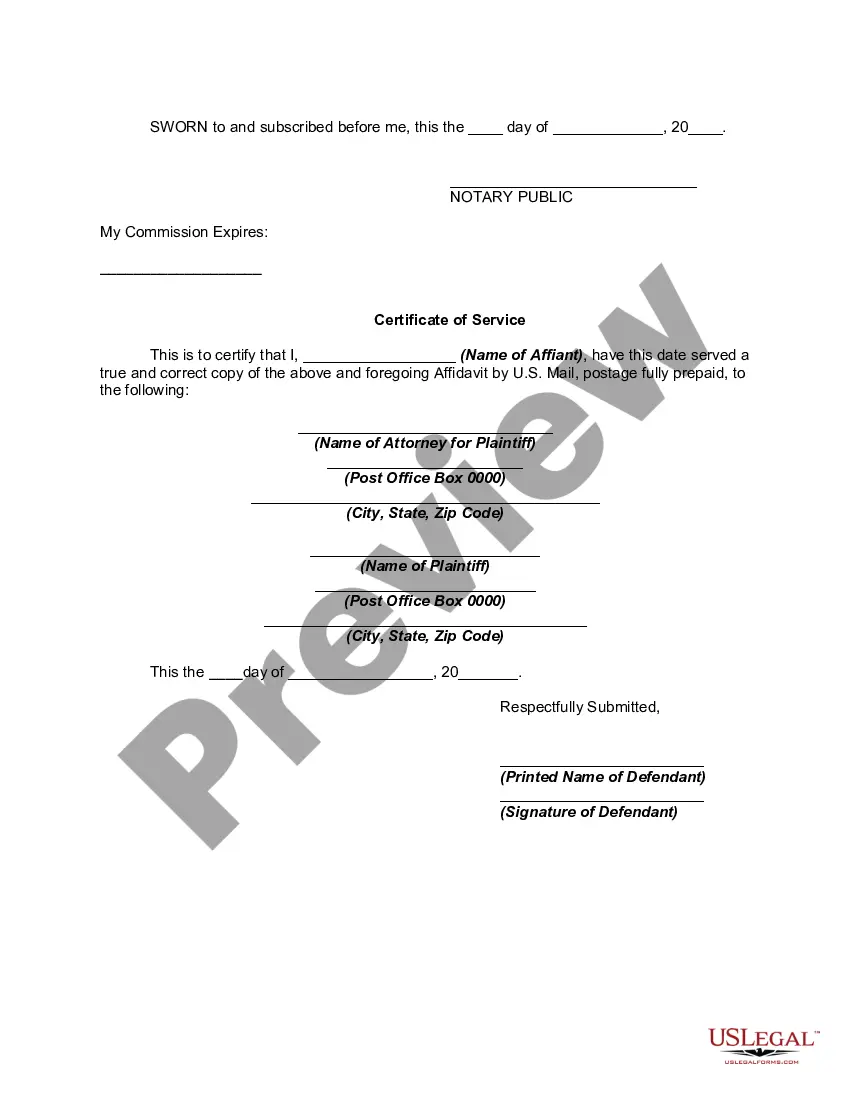



Get your form ready online
Our built-in tools help you complete, sign, share, and store your documents in one place.
Make edits, fill in missing information, and update formatting in US Legal Forms—just like you would in MS Word.
Download a copy, print it, send it by email, or mail it via USPS—whatever works best for your next step.
Sign and collect signatures with our SignNow integration. Send to multiple recipients, set reminders, and more. Go Premium to unlock E-Sign.
If this form requires notarization, complete it online through a secure video call—no need to meet a notary in person or wait for an appointment.
We protect your documents and personal data by following strict security and privacy standards.

Make edits, fill in missing information, and update formatting in US Legal Forms—just like you would in MS Word.

Download a copy, print it, send it by email, or mail it via USPS—whatever works best for your next step.

Sign and collect signatures with our SignNow integration. Send to multiple recipients, set reminders, and more. Go Premium to unlock E-Sign.

If this form requires notarization, complete it online through a secure video call—no need to meet a notary in person or wait for an appointment.

We protect your documents and personal data by following strict security and privacy standards.
Looking for another form?
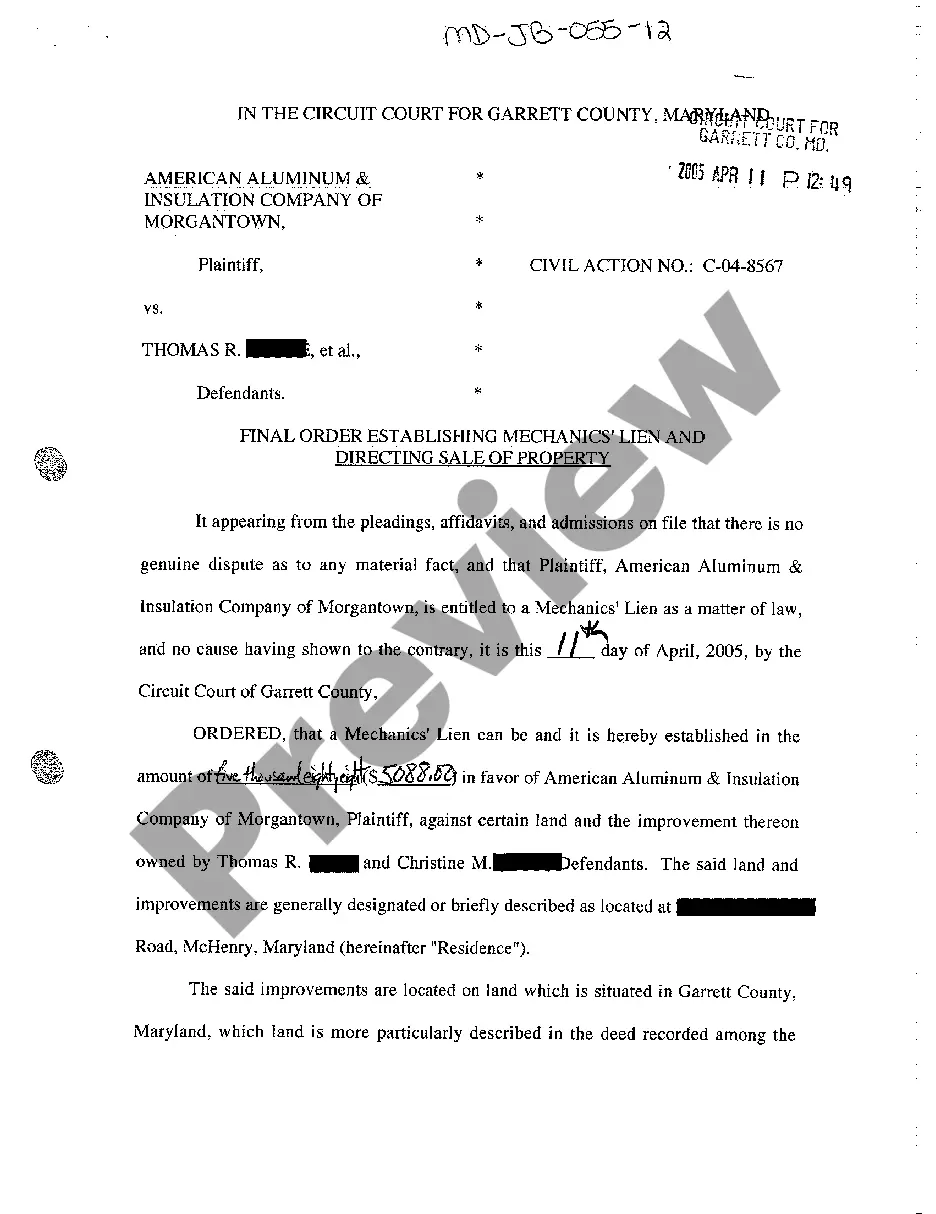









Form popularity
FAQ
A motion is a written request made to the court, asking the judge to issue an order. The motion must be supported by evidence.
A motion is an application to the court made by the prosecutor or defense attorney, requesting that the court make a decision on a certain issue before the trial begins. The motion can affect the trial, courtroom, defendants, evidence, or testimony.
When you file your motion, the court clerk will insert the date, time, and place of the hearing on your motion. You must then “serve” (mail) a copy of your filed motion (including all exhibits and the date, time, and place of hearing) to all other parties in the case.
This court rule is essential because if the judge grants the motion for summary judgment, the court makes decisions about the facts of the case at trial. It produces a resolution without oral arguments. If the court denies the motion, the judge or jury resolves the factual dispute.
A motion is an application to the court made by the prosecutor or defense attorney, requesting that the court make a decision on a certain issue before the trial begins. The motion can affect the trial, courtroom, defendants, evidence, or testimony. Only judges decide the outcome of motions.
A motion hearing is a proceeding in a legal context where one party requests the court to take a specific action or make a decision on a particular issue. It is an opportunity for the parties involved to present arguments and evidence to support their positions before the court.
When you file your motion, the court clerk will insert the date, time, and place of the hearing on your motion. You must then “serve” (mail) a copy of your filed motion (including all exhibits and the date, time, and place of hearing) to all other parties in the case.
A motion is a written request made to the court, asking the judge to issue an order. The motion must be supported by evidence.
Riverside Superior Court Local Rule 3116 provides: Unless otherwise specified in the Order to Show Cause, any response in opposition to an Order to Show Case (a) shall be in the form of a written declaration and (b) shall be filed no less than four court days before the hearing on the Order to Show Cause.
A list of all disputed issues with a short explanation of each;A statement of facts from each party; andA signed stipulation as to undisputed issues of fact and law and exhibits, which neither party is objecting. This rule is essentially forcing parties to try to settle issues in their case before going to trial.
