Affidavit Amend Form With Decimals In Riverside
Description

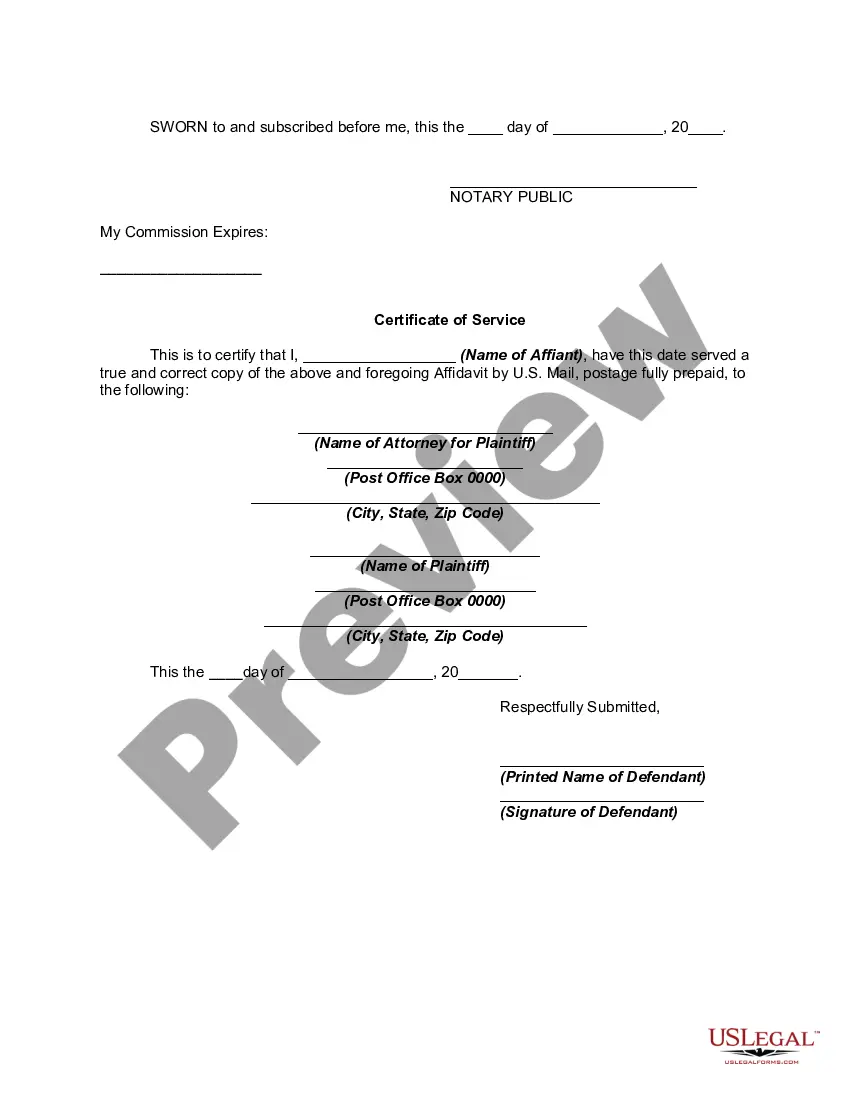



Get your form ready online
Our built-in tools help you complete, sign, share, and store your documents in one place.
Make edits, fill in missing information, and update formatting in US Legal Forms—just like you would in MS Word.
Download a copy, print it, send it by email, or mail it via USPS—whatever works best for your next step.
Sign and collect signatures with our SignNow integration. Send to multiple recipients, set reminders, and more. Go Premium to unlock E-Sign.
If this form requires notarization, complete it online through a secure video call—no need to meet a notary in person or wait for an appointment.
We protect your documents and personal data by following strict security and privacy standards.

Make edits, fill in missing information, and update formatting in US Legal Forms—just like you would in MS Word.

Download a copy, print it, send it by email, or mail it via USPS—whatever works best for your next step.

Sign and collect signatures with our SignNow integration. Send to multiple recipients, set reminders, and more. Go Premium to unlock E-Sign.

If this form requires notarization, complete it online through a secure video call—no need to meet a notary in person or wait for an appointment.

We protect your documents and personal data by following strict security and privacy standards.
Looking for another form?






Form popularity
FAQ
In a no contact order, a person is prohibited from having any physical or verbal contact. This means a person may not have face-to-face, telephone, or internet contact as well.
In California, you can ask for a court order to change your legal name. To do this, you file a petition with the court and publish a notice in a newspaper. Then, you'll either have a court date (a hearing) where a judge will make a decision, or the judge may make a decision without a hearing.
After having a court hearing, a judge can grant you a “restraining order after hearing” that can last up to five years. However, if there is no termination date on the order, the order will last three years from the date it was issued.
No negative contact orders – parties may have contact but it must not be harassing or disturbing of the protected party's peace. • Even if court does not order stay away/contact orders, criminal court can prohibit firearms and order surrender of firearms on the court's own motion.
A list of all disputed issues with a short explanation of each;A statement of facts from each party; andA signed stipulation as to undisputed issues of fact and law and exhibits, which neither party is objecting. This rule is essentially forcing parties to try to settle issues in their case before going to trial.
Riverside Superior Court Local Rule 3116 provides: Unless otherwise specified in the Order to Show Cause, any response in opposition to an Order to Show Case (a) shall be in the form of a written declaration and (b) shall be filed no less than four court days before the hearing on the Order to Show Cause.
Purpose and Context: They are preventive measures, designed to protect an individual from potential harm or harassment. On the other hand, no contact orders are usually associated with criminal cases. They are often implemented when harm has already occurred, with the aim of preventing further harm.
A no negative contact order is a court order that prohibits communication, contact, or interaction between two people. This type of court order can be issued to protect a victim of domestic violence, stalking, or harassment from further abuse or harm.
It is important to highlight that the “locals only” rule can manifest in various forms, but their fundamental aim remains constant – to restrict planning permission for developments to individuals residing within the specific area.
