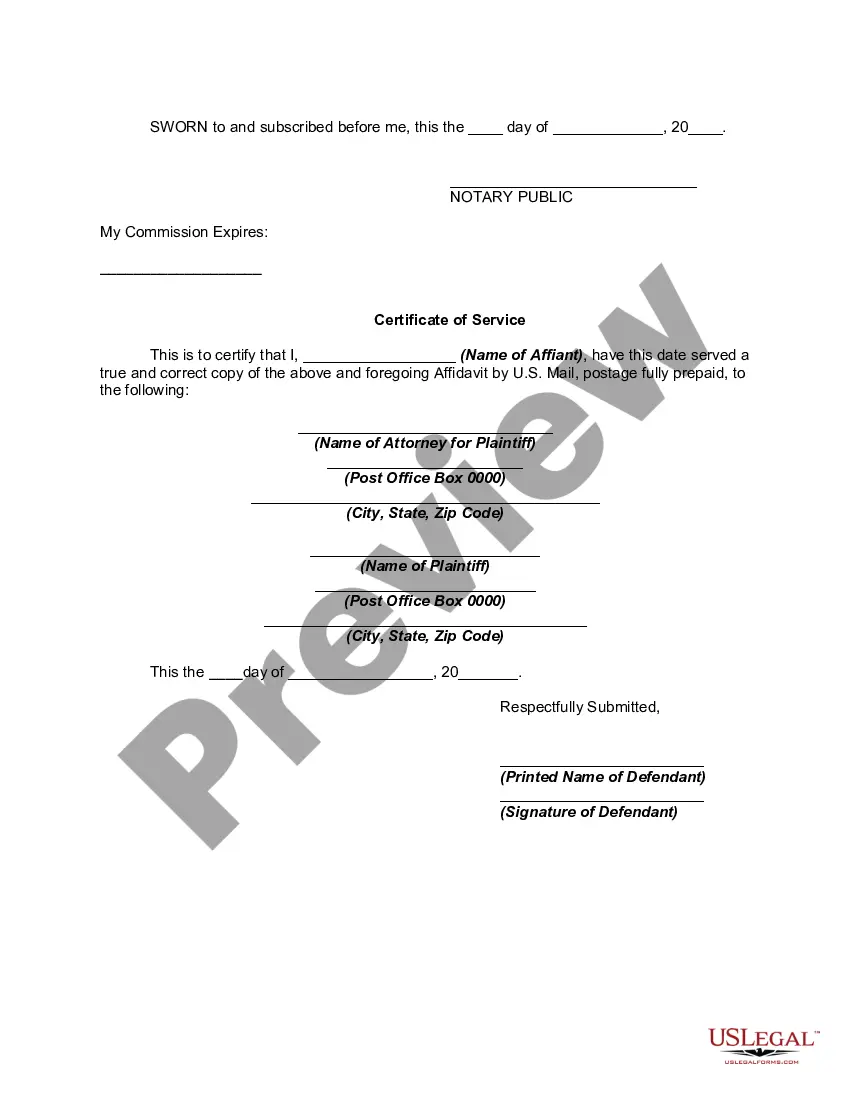
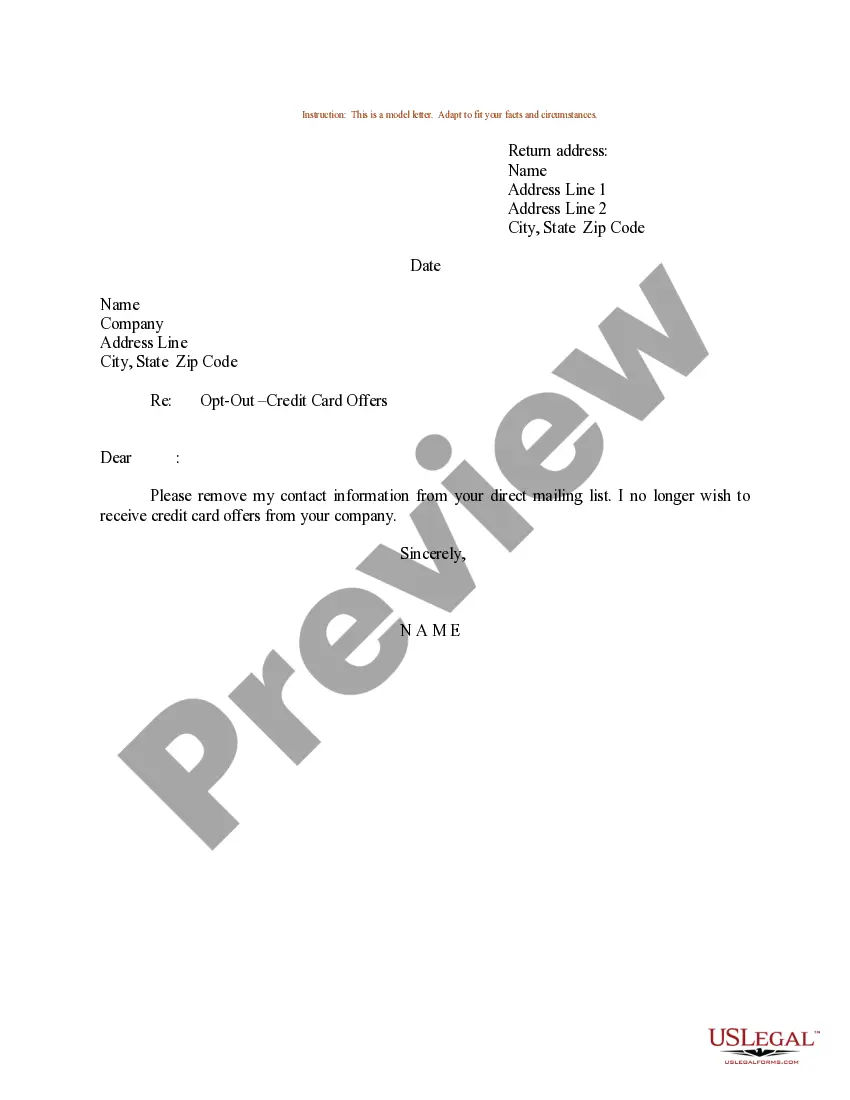
Affidavit Motion Amend For Summary Judgment In Phoenix
Description




Get your form ready online
Our built-in tools help you complete, sign, share, and store your documents in one place.
Make edits, fill in missing information, and update formatting in US Legal Forms—just like you would in MS Word.
Download a copy, print it, send it by email, or mail it via USPS—whatever works best for your next step.
Sign and collect signatures with our SignNow integration. Send to multiple recipients, set reminders, and more. Go Premium to unlock E-Sign.
If this form requires notarization, complete it online through a secure video call—no need to meet a notary in person or wait for an appointment.
We protect your documents and personal data by following strict security and privacy standards.

Make edits, fill in missing information, and update formatting in US Legal Forms—just like you would in MS Word.

Download a copy, print it, send it by email, or mail it via USPS—whatever works best for your next step.

Sign and collect signatures with our SignNow integration. Send to multiple recipients, set reminders, and more. Go Premium to unlock E-Sign.

If this form requires notarization, complete it online through a secure video call—no need to meet a notary in person or wait for an appointment.

We protect your documents and personal data by following strict security and privacy standards.
Looking for another form?








Form popularity
FAQ
The court reaches a final decision based on statements, evidence, and other important facts in the case. Under Rule 56 of the Federal Rules of Civil Procedure, the summary judgment standard is only granted if: The movant shows the court that there is no genuine dispute as to any facts of the case.
In contracts cases, roughly 35.1% of summary judgment requests are granted in full, 22.6% are partially approved, and 42.3% are denied. Overall, the chance of a successful outcome when requesting summary judgment is slim.
If you receive a motion for summary judgment, you have 30 days to respond. A motion for summary judgment must include (1) a statement of facts and (2) a memorandum of law. A statement of facts must have each of the facts stated separately in numbered paragraphs or numbered sentences.
It is much more difficult for plaintiffs to win this type of summary judgment. Rather than knocking out a single element to doom a cause of action, like a defendant, every element of each claim as to which the plaintiff wishes to achieve summary judgment must be proven by admissible evidence.
To defeat summary judgment, a party must show that there is sufficient material evidence supporting the claimed factual dispute to require a fact finder to resolve the parties' differing versions of the truth at trial.
If a motion for summary judgment is filed before a responsive pleading is due from a party affected by the motion, the time for responding to the motion is 21 days after the responsive pleading is due.
Rule 15(a)(1) provides that a party may amend a complaint once as a matter of course within 21 days of service, or within 21 days of being served with an answer or a motion to dismiss, whichever is earlier. Fed. R. Civ.
Rule 41 - Duties and Obligations of Members (a) Definition. "Unprofessional conduct" means substantial or repeated violations of the oath of Admission to the State Bar or the Lawyer's Creed of Professionalism of the State Bar of Arizona.
