Affidavit Amend Form With Pf Withdrawal In Orange
Description

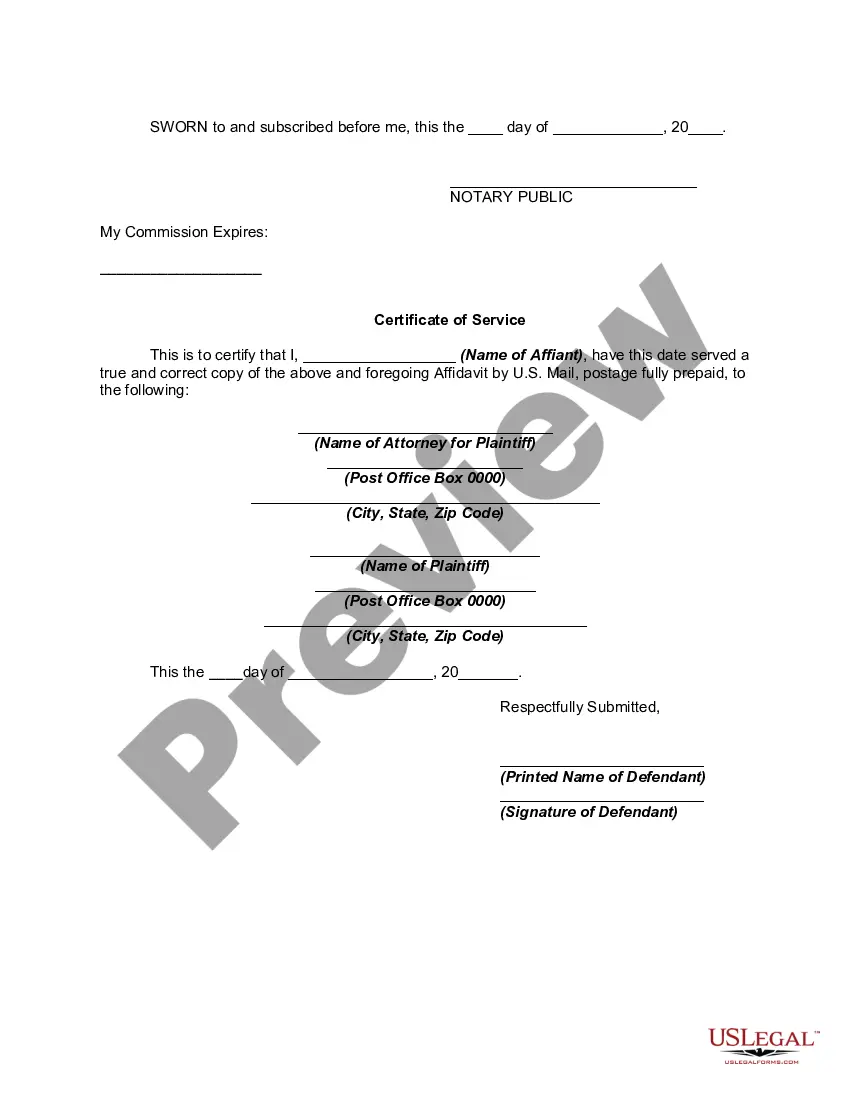



Get your form ready online
Our built-in tools help you complete, sign, share, and store your documents in one place.
Make edits, fill in missing information, and update formatting in US Legal Forms—just like you would in MS Word.
Download a copy, print it, send it by email, or mail it via USPS—whatever works best for your next step.
Sign and collect signatures with our SignNow integration. Send to multiple recipients, set reminders, and more. Go Premium to unlock E-Sign.
If this form requires notarization, complete it online through a secure video call—no need to meet a notary in person or wait for an appointment.
We protect your documents and personal data by following strict security and privacy standards.

Make edits, fill in missing information, and update formatting in US Legal Forms—just like you would in MS Word.

Download a copy, print it, send it by email, or mail it via USPS—whatever works best for your next step.

Sign and collect signatures with our SignNow integration. Send to multiple recipients, set reminders, and more. Go Premium to unlock E-Sign.

If this form requires notarization, complete it online through a secure video call—no need to meet a notary in person or wait for an appointment.

We protect your documents and personal data by following strict security and privacy standards.
Looking for another form?
Form popularity
FAQ
The following are six critical sections that must be included: Title. This is either your name (“Affidavit of Jane Doe”) or the specific case information. Statement of identity. The next paragraph tells the court about yourself. Statement of truth. Statement of facts. Closing statement of truth. Sign and notarize.
Drafting an Affidavit Appearances are important. Introduce yourself. Write in the first person about facts you know. Keep it as simple as possible. Stick to what is relevant. Don't guess. Be specific about conversations. Be specific about timing and frequency, to the extent this is relevant.
The ease of withdrawing an affidavit varies based on consent. If all parties agree, it's usually straightforward. However, disputes can complicate matters, requiring valid reasons for withdrawal.
The affiant must take the oath highlighted in the affidavit voluntarily. If the court discovers evidence that the affiant signed unwillingly, under pressure, or coercion, they may consider the oath invalid and the affidavit inadmissible in court proceedings.
Steps To Complete The T-LL Affidavit Of Correction Specify The Correction: Clearly state the error and the correction needed. Sign And Date: Both the owner and, if involved, the buyer must sign and date the form. Submit The Form: Return the completed form to the DMV either online, by mail, or in person.
Take the sworn affidavit to a lawyer or notary public, preferably the lawyer or notary who executed the affidavit. When you're in front of the lawyer or notary, correct the mistakes on the affidavit in pen (cross out the incorrect information and write the correct information).
Errors in personal information, such as a wrong name or address, often require correction to prevent complications in transactions or official records. A notarized affidavit for correction officially documents these changes. This process ensures that entities such as banks and government agencies accept the updates.
If substituted or nail and mail service were used, the affidavit of service must be filed with the County Clerk within 20 days of the date of service.
Drafting an Affidavit Appearances are important. Introduce yourself. Write in the first person about facts you know. Keep it as simple as possible. Stick to what is relevant. Don't guess. Be specific about conversations. Be specific about timing and frequency, to the extent this is relevant.
After filing, an affidavit is examined for its accuracy and adherence to legal requirements. It then becomes part of official court records and is accessible to relevant parties. Attorneys may use the affidavit to understand the merit of a case, cross-examine witnesses, and challenge or prove claims.
