Affidavit Amend Form With Two Points In Minnesota
Description

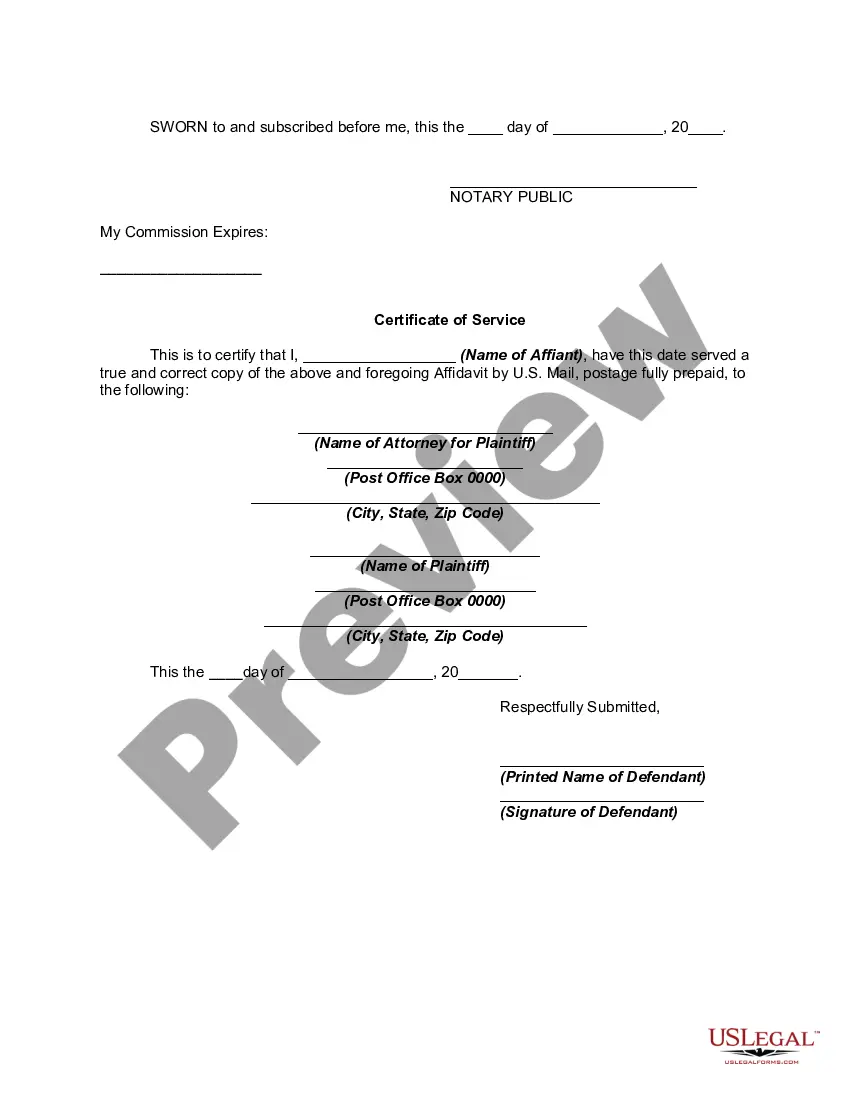



Get your form ready online
Our built-in tools help you complete, sign, share, and store your documents in one place.
Make edits, fill in missing information, and update formatting in US Legal Forms—just like you would in MS Word.
Download a copy, print it, send it by email, or mail it via USPS—whatever works best for your next step.
Sign and collect signatures with our SignNow integration. Send to multiple recipients, set reminders, and more. Go Premium to unlock E-Sign.
If this form requires notarization, complete it online through a secure video call—no need to meet a notary in person or wait for an appointment.
We protect your documents and personal data by following strict security and privacy standards.

Make edits, fill in missing information, and update formatting in US Legal Forms—just like you would in MS Word.

Download a copy, print it, send it by email, or mail it via USPS—whatever works best for your next step.

Sign and collect signatures with our SignNow integration. Send to multiple recipients, set reminders, and more. Go Premium to unlock E-Sign.

If this form requires notarization, complete it online through a secure video call—no need to meet a notary in person or wait for an appointment.

We protect your documents and personal data by following strict security and privacy standards.
Looking for another form?







Form popularity
FAQ
Another restriction on small estate affidavits is that probate cannot already have begun. Some states also allow small estate affidavits only if there is no will. Only certain assets count toward setting an estate's value.
Value Cap: The estate should not exceed $75,000 in value. Timeframe: At least 30 days must have passed since the date of death. No Probate: No probate proceedings should be pending or have taken place.
If your personal property exceeds $75,000 or you own real estate in your name alone, your estate must be probated.
How to File (3 steps) Wait 30 Days. It is required to wait at least 30 days from the decedent's death before filing the affidavit. Complete Documents. Complete and gather these necessary documents. File With the Holder of Property. Present these documents to the person or entity possessing the property in question.
If you're looking for a simple way to get a deceased person's property and you qualify to use a small estate affidavit, you should use it. The process is quick and relatively painless. For example, using a small estate affidavit for a bank account can be as simple as filling out a form and giving it to the bank.
If your estate is worth $75,000 or less, your heirs may be able to collect the property without going to court by using an Affidavit for Collection of Personal Property. Heirs may not take your personal property until 30 days after your death.
Value Cap: The estate should not exceed $75,000 in value. Timeframe: At least 30 days must have passed since the date of death.
Errors in personal information, such as a wrong name or address, often require correction to prevent complications in transactions or official records. A notarized affidavit for correction officially documents these changes. This process ensures that entities such as banks and government agencies accept the updates.
Steps To Complete The T-LL Affidavit Of Correction Specify The Correction: Clearly state the error and the correction needed. Sign And Date: Both the owner and, if involved, the buyer must sign and date the form. Submit The Form: Return the completed form to the DMV either online, by mail, or in person.
The ease of withdrawing an affidavit varies based on consent. If all parties agree, it's usually straightforward. However, disputes can complicate matters, requiring valid reasons for withdrawal.
