Affidavit Amend Form With 2 Points In Massachusetts
Description

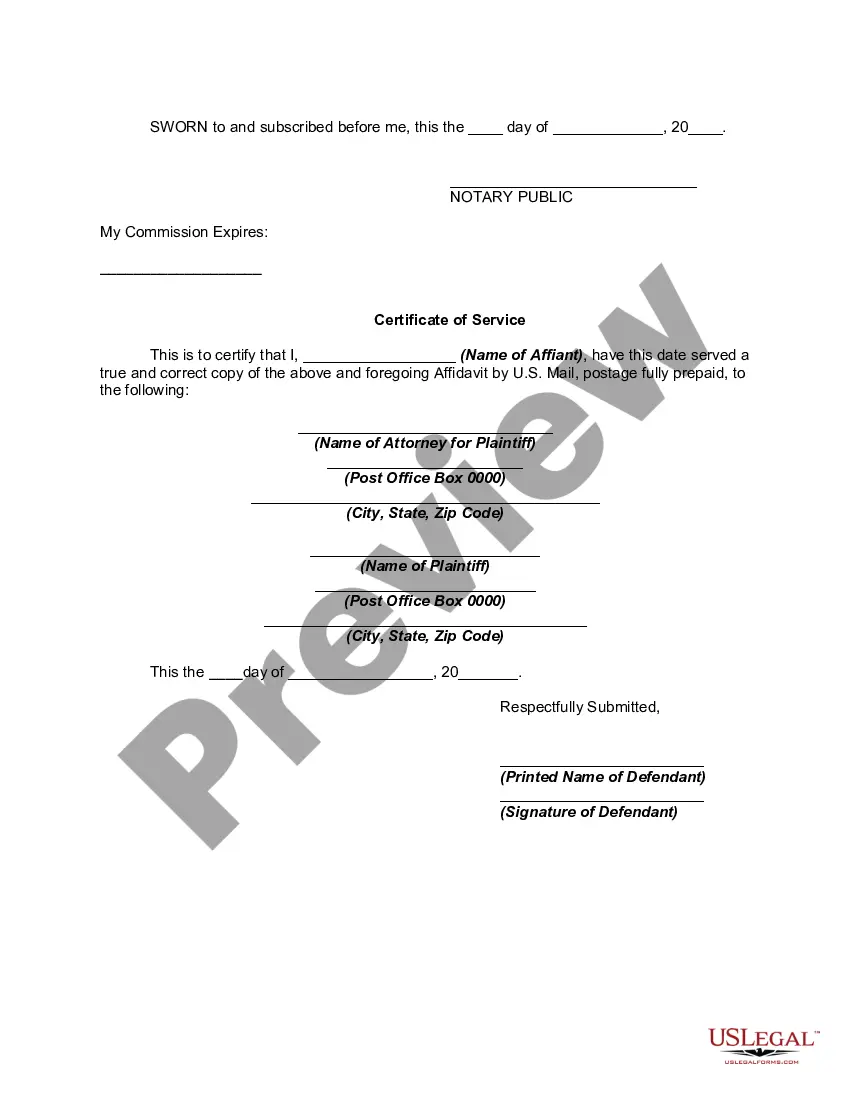



Get your form ready online
Our built-in tools help you complete, sign, share, and store your documents in one place.
Make edits, fill in missing information, and update formatting in US Legal Forms—just like you would in MS Word.
Download a copy, print it, send it by email, or mail it via USPS—whatever works best for your next step.
Sign and collect signatures with our SignNow integration. Send to multiple recipients, set reminders, and more. Go Premium to unlock E-Sign.
If this form requires notarization, complete it online through a secure video call—no need to meet a notary in person or wait for an appointment.
We protect your documents and personal data by following strict security and privacy standards.

Make edits, fill in missing information, and update formatting in US Legal Forms—just like you would in MS Word.

Download a copy, print it, send it by email, or mail it via USPS—whatever works best for your next step.

Sign and collect signatures with our SignNow integration. Send to multiple recipients, set reminders, and more. Go Premium to unlock E-Sign.

If this form requires notarization, complete it online through a secure video call—no need to meet a notary in person or wait for an appointment.

We protect your documents and personal data by following strict security and privacy standards.
Looking for another form?





Form popularity
FAQ
The following are six critical sections that must be included: Title. This is either your name (“Affidavit of Jane Doe”) or the specific case information. Statement of identity. The next paragraph tells the court about yourself. Statement of truth. Statement of facts. Closing statement of truth. Sign and notarize.
To fill out this affidavit, begin by gathering all required vehicle information, including the VIN, year, make, and model. Next, accurately describe the errors and provide the correct information for the vehicle. Finally, ensure the document is signed and notarized before submission.
How do I fill this out? Collect accurate vehicle information and documents. Identify errors in the current affidavit that need correction. Fill in the correct details in the specified fields. Review the affidavit for completeness and accuracy. Sign and date the affidavit to validate the corrections.
For many documents, yes. Certain affidavits, real estate deeds, and other documents may not be legally binding unless they are properly notarized.
1. That my recorded name in school and college is ______________(YOURNAME), but I myself popularly known as _________________(New name). 2. That by virtue of this affidavit, I changed my name from YOURNAME (old name) to CHOSENNAME (new name) and henceforth I shall be known as the CHOSENNAME (new name) for all purposes.
An Affidavit of Correction is a legal document that you can use to fix inaccurate information on an official record. If you have made an error on an official court or government document, you can use an Affidavit of Correction to address it.
An Affidavit of Correction is a legal document that you can use to fix inaccurate information on an official record. If you have made an error on an official court or government document, you can use an Affidavit of Correction to address it.
How to make a notarized affidavit? You create a written statement detailing the facts you're swearing to. Next, find a notary, verify your identity, sign the document in their presence, and watch them do their notary magic. Boom – notarized affidavit.
Errors in personal information, such as a wrong name or address, often require correction to prevent complications in transactions or official records. A notarized affidavit for correction officially documents these changes. This process ensures that entities such as banks and government agencies accept the updates.
