Affidavit Motion Amend Without Notice In Hennepin
Description

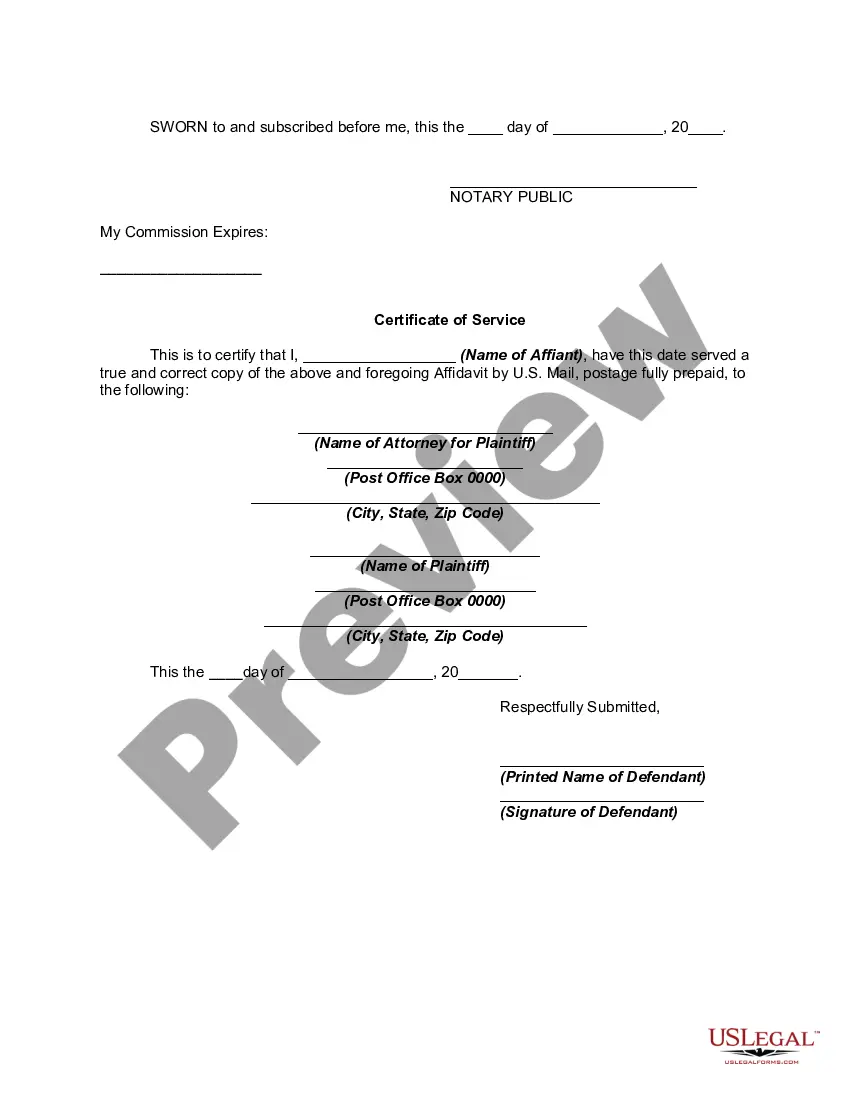



Get your form ready online
Our built-in tools help you complete, sign, share, and store your documents in one place.
Make edits, fill in missing information, and update formatting in US Legal Forms—just like you would in MS Word.
Download a copy, print it, send it by email, or mail it via USPS—whatever works best for your next step.
Sign and collect signatures with our SignNow integration. Send to multiple recipients, set reminders, and more. Go Premium to unlock E-Sign.
If this form requires notarization, complete it online through a secure video call—no need to meet a notary in person or wait for an appointment.
We protect your documents and personal data by following strict security and privacy standards.

Make edits, fill in missing information, and update formatting in US Legal Forms—just like you would in MS Word.

Download a copy, print it, send it by email, or mail it via USPS—whatever works best for your next step.

Sign and collect signatures with our SignNow integration. Send to multiple recipients, set reminders, and more. Go Premium to unlock E-Sign.

If this form requires notarization, complete it online through a secure video call—no need to meet a notary in person or wait for an appointment.

We protect your documents and personal data by following strict security and privacy standards.
Looking for another form?







Form popularity
FAQ
except when made during a trial or hearingmust be in writing, unless the court permits the party to make the motion by other means. must state the grounds on which it is based and the relief or order sought. may be supported by affidavit.
A motion hearing in family court is different from a trial. In motion hearings, parties' attorneys submit documents to the court before the hearing explaining what their side wants and why it should be granted. Except in special circumstances, witnesses do not testify in motion hearings.
Instructions for filing a. Motion. in the Minnesota Court of Appeals. Step 1: Fill out the Motion form. Step 2: Fill out the Affidavit in Support of Motion form. Step 3: Serve your Motion and Affidavit on the opposing parties. Step 4: Proof of Service. Step 5: File the Motion, Affidavit, and Certificate of Service by Mail.
A motion is an application to the court made by the prosecutor or defense attorney, requesting that the court make a decision on a certain issue before the trial begins. The motion can affect the trial, courtroom, defendants, evidence, or testimony.
except when made during a trial or hearingmust be in writing, unless the court permits the party to make the motion by other means. must state the grounds on which it is based and the relief or order sought. may be supported by affidavit.
The motion may include affidavits and documentary evidence in support of the contention that there is no genuine issue of material fact in dispute.
A default judgment may be vacated by the judge upon a proper showing by the defendant that: (1) the defendant did not receive a summons before the trial within sufficient time to permit a defense and did not receive notice of the order for default within sufficient time to permit application for relief within twenty ...
A motion is a written request made to the court, asking the judge to issue an order. The motion must be supported by evidence.
The responding party's motion record must contain, on consecutively numbered pages, arranged in the following order: a table of contents. all affidavits and other material to be used by the responding party. portions of transcripts of cross-examinations (if any) written representations OR memorandum of fact and law.
Take the sworn affidavit to a lawyer or notary public, preferably the lawyer or notary who executed the affidavit. When you're in front of the lawyer or notary, correct the mistakes on the affidavit in pen (cross out the incorrect information and write the correct information).
