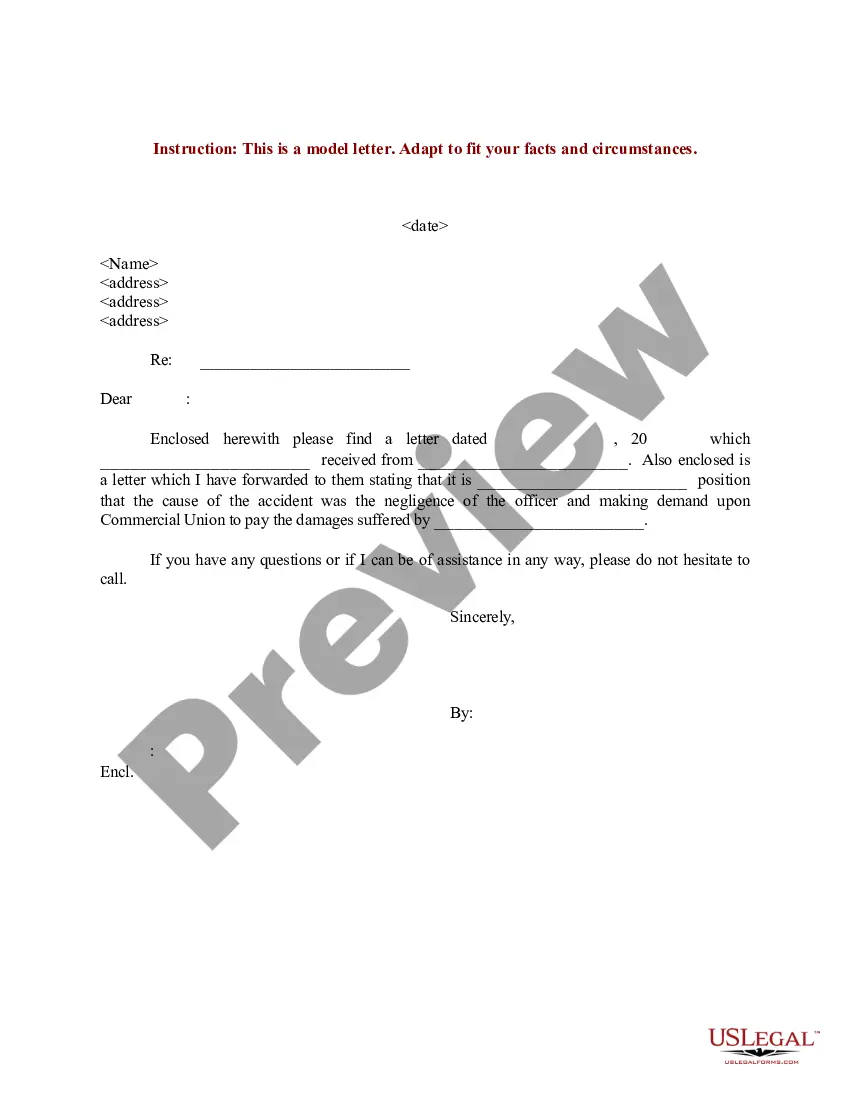
Spousal Support Conditions In Franklin
Description




Get your form ready online
Our built-in tools help you complete, sign, share, and store your documents in one place.
Make edits, fill in missing information, and update formatting in US Legal Forms—just like you would in MS Word.
Download a copy, print it, send it by email, or mail it via USPS—whatever works best for your next step.
Sign and collect signatures with our SignNow integration. Send to multiple recipients, set reminders, and more. Go Premium to unlock E-Sign.
If this form requires notarization, complete it online through a secure video call—no need to meet a notary in person or wait for an appointment.
We protect your documents and personal data by following strict security and privacy standards.

Make edits, fill in missing information, and update formatting in US Legal Forms—just like you would in MS Word.

Download a copy, print it, send it by email, or mail it via USPS—whatever works best for your next step.

Sign and collect signatures with our SignNow integration. Send to multiple recipients, set reminders, and more. Go Premium to unlock E-Sign.

If this form requires notarization, complete it online through a secure video call—no need to meet a notary in person or wait for an appointment.

We protect your documents and personal data by following strict security and privacy standards.
Looking for another form?






Form popularity
FAQ
California Alimony California determines alimony based on the recipient's “marital standard of living,” which aims to allow the spouse to continue living in a similar manner as during the marriage.
The court will determine how long you or the other party will receive alimony. If you have been married for 20 years or longer, there is no limit to how long you can receive alimony. However, if you were married for less than 20 years, you cannot collect alimony for more than 50% of the length of the marriage.
California determines alimony based on the recipient's “marital standard of living,” which aims to allow the spouse to continue living in a similar manner as during the marriage.
Duration of spousal support Some judges have a rule of thumb that they will award spousal support for half the number of years of the marriage. Spousal support generally ends upon the death of either spouse, or upon the remarriage of the recipient.
The court will determine how long you or the other party will receive alimony. If you have been married for 20 years or longer, there is no limit to how long you can receive alimony. However, if you were married for less than 20 years, you cannot collect alimony for more than 50% of the length of the marriage.
Spousal maintenance is normally durational that is, it has a set duration, normally long enough for the payee spouse to become self-sufficient. However, there are cases, given age, health and inability to support themselves, that the payee may be awarded nondurational or permanent alimony.
The person asking for alimony must show the court that he or she needs financial support, and that the other spouse has the ability to provide financial support.
You are not legally obligated to support her. If a divorce is filed the court could make alimony retroactive.
There is no specific formula in Ohio for calculating temporary support awards. The court must use its discretion, taking into account each spouse's earning capacity and other resources while the divorce is pending. The court should strive to maintain the financial status quo despite title or ownership.
One of the most critical factors judges consider when determining the course of spousal support is the length of the marriage. Ohio courts will not award alimony unless the spouses are married for at least five years. Besides, the court may not grant a lifetime spousal support if the marriage lasted less than 20 years.