Spousal Support Form For Medicaid In Florida
Description

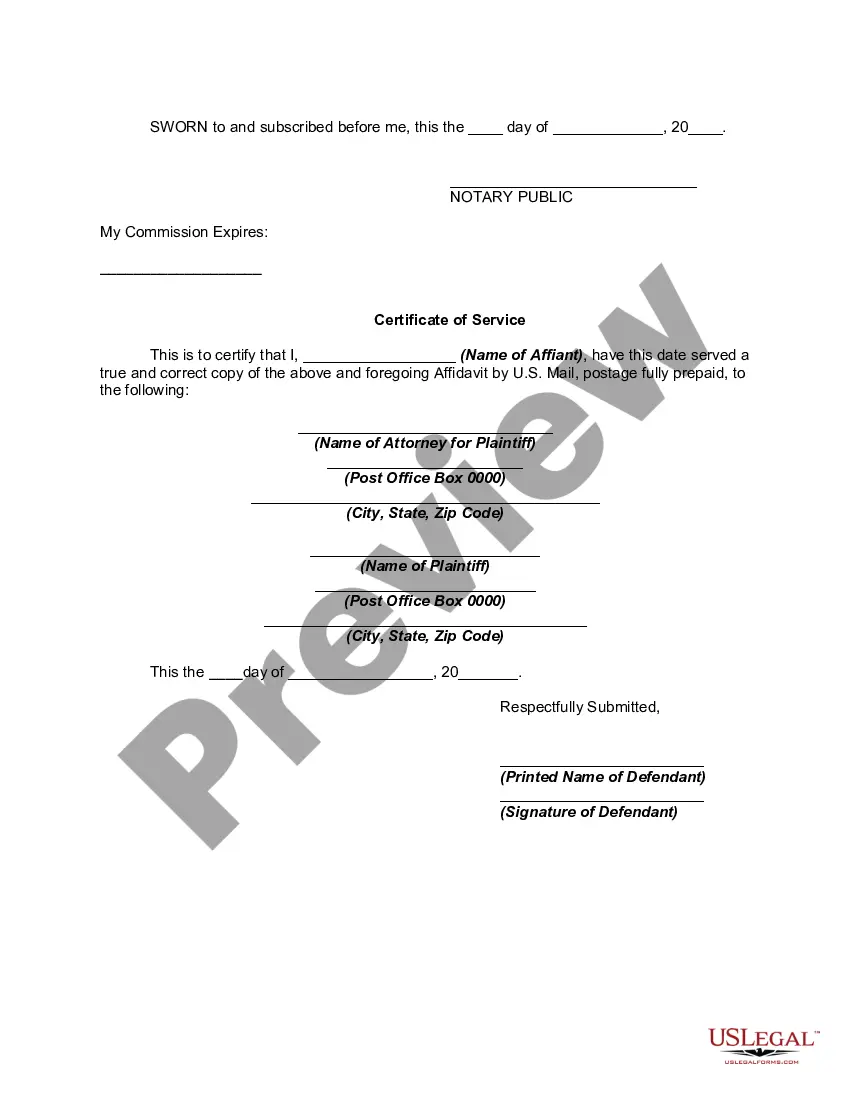



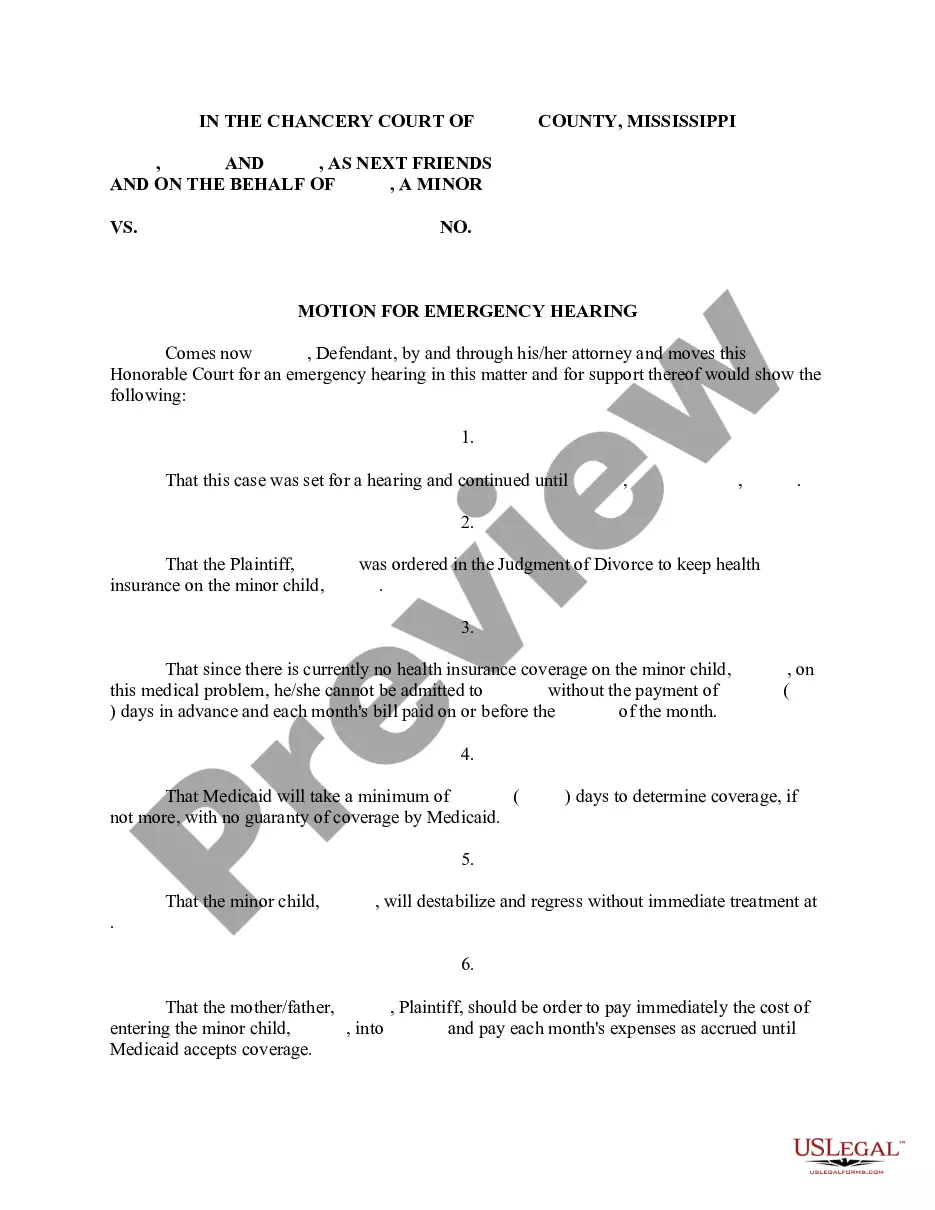
Get your form ready online
Our built-in tools help you complete, sign, share, and store your documents in one place.
Make edits, fill in missing information, and update formatting in US Legal Forms—just like you would in MS Word.
Download a copy, print it, send it by email, or mail it via USPS—whatever works best for your next step.
Sign and collect signatures with our SignNow integration. Send to multiple recipients, set reminders, and more. Go Premium to unlock E-Sign.
If this form requires notarization, complete it online through a secure video call—no need to meet a notary in person or wait for an appointment.
We protect your documents and personal data by following strict security and privacy standards.

Make edits, fill in missing information, and update formatting in US Legal Forms—just like you would in MS Word.

Download a copy, print it, send it by email, or mail it via USPS—whatever works best for your next step.

Sign and collect signatures with our SignNow integration. Send to multiple recipients, set reminders, and more. Go Premium to unlock E-Sign.

If this form requires notarization, complete it online through a secure video call—no need to meet a notary in person or wait for an appointment.

We protect your documents and personal data by following strict security and privacy standards.
Looking for another form?









Form popularity
FAQ
Income Requirements. Florida Medicaid considers both the gross and countable income of an individual or a household. Gross income includes all income sources before taxes or deductions. On the other hand, countable income includes only the portion of the income that Medicaid counts towards the income limit.
For Medicaid eligibility purposes, nearly any income from any source that a Medicaid applicant receives is counted towards the limit. This includes employment wages, alimony payments, pension payments, Social Security Disability Income, Social Security Income, IRA withdrawals, and stock dividends.
Some income that Medicaid used to consider part of household income is no longer counted, such as child support received, veterans' benefits, workers' compensation, gifts and inheritances, and Temporary Assistance for Needy Families (TANF) and SSI payments.
You will need relevant proof regarding: Your standard of living while married; Financial resources of each party, including the results of property division; Both parties' earning potential and employability; The contribution each spouse to the marriage and household; Parental responsibilities for minor children;
All personal property is exempt from The Asset Test, except for jewelry or art that is deemed collectible. Retirement accounts are also exempt in Florida. Retirement accounts include 401k, IRAs, and 403bs, and are exempt as long as the owner of the account takes regular and periodic income distributions.
For agreements signed before 2019, the recipient must report alimony on their tax returns as income, and the payer can deduct payments on their taxes. However, a new law applicable to divorces finalized on or after Jan. 1, 2019, no longer treats alimony as income, meaning the payer can no longer deduct it.
Just Say No, or spousal refusal, is applicable in situations where one spouse is living in a facility (either an assisted living facility or nursing home) and the other spouse resides in the community at home (“community spouse”).
What states allow spousal refusal? Currently, only two states allow spousal refusal: New York and Florida. It could be argued that spousal refusal could be used in all states as a financial planning and Medicaid planning strategy, but only the two states named above recognize spousal refusal outright.
