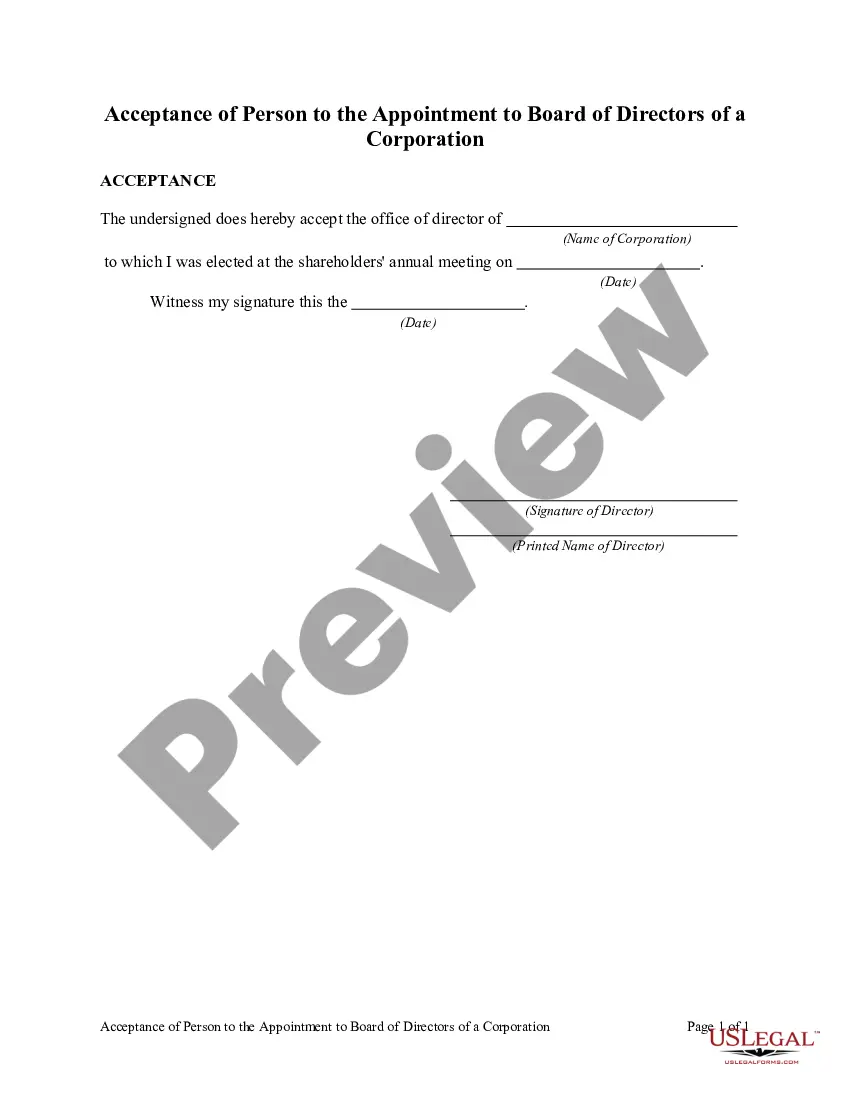
Affidavit Amend Form For Taxes In Cook
Description




Get your form ready online
Our built-in tools help you complete, sign, share, and store your documents in one place.
Make edits, fill in missing information, and update formatting in US Legal Forms—just like you would in MS Word.
Download a copy, print it, send it by email, or mail it via USPS—whatever works best for your next step.
Sign and collect signatures with our SignNow integration. Send to multiple recipients, set reminders, and more. Go Premium to unlock E-Sign.
If this form requires notarization, complete it online through a secure video call—no need to meet a notary in person or wait for an appointment.
We protect your documents and personal data by following strict security and privacy standards.

Make edits, fill in missing information, and update formatting in US Legal Forms—just like you would in MS Word.

Download a copy, print it, send it by email, or mail it via USPS—whatever works best for your next step.

Sign and collect signatures with our SignNow integration. Send to multiple recipients, set reminders, and more. Go Premium to unlock E-Sign.

If this form requires notarization, complete it online through a secure video call—no need to meet a notary in person or wait for an appointment.

We protect your documents and personal data by following strict security and privacy standards.
Looking for another form?









Form popularity
FAQ
Filing an amended return isn't particularly difficult, but there are a few things you should know about the process before getting started. It also helps to be familiar with some common occurrences that can trigger the need for an amended return.
You can file Form 1040-X, Amended U.S. Individual Income Tax Return electronically with tax filing software to amend your Form 1040, 1040-SR, 1040-NR, or 1040-SS/PR for the current or two prior tax periods. If amending a prior year return originally filed on paper, then the amended return must also be filed on paper.
If you need to make a change or adjustment on a return already filed, you can file an amended return. Use Form 1040-X, Amended U.S. Individual Income Tax Return, and follow the instructions.
Any interest and penalties still apply. If you amend and end up owing more than you did originally, you could be subject to interest and penalties. The worst part about such interest and penalties is that they apply to the difference owed on the amended tax return starting from the date of your original return filing.
Login on the CDTFA's secure website with your Username and Password. Select the account for which you want to submit an amended return for under the "Accounts" tab. Select the period for which you want to submit an amended return for under "Recent Periods" tab.
Be sure to include: A copy of any corrected W-2s, 1099s, etc. Any other substantiating forms, schedules, or documentation supporting the amended return.
When mailing your federal amended return, you will need to send the following: 1040-X. Income documents such as W-2's and 1099 forms if they support the changes on the return. Any forms that have a calculation change from the original return.
If you didn't claim the correct filing status or you need to change your income, deductions, or credits, you should file an amended or corrected return using Form 1040-X, Amended U.S. Individual Income Tax Return.
If you choose to mail Form 1040-X, print the amended return and mail it to the IRS. Attach any required accompanying documents, such as forms created in the return due to the changes made, or any documentation that would support the changes made (corrected Form W-2 Wage and Tax Statement).
On Form 1040-X, enter your income, deductions, and credits from your return as originally filed or as previously adjusted by either you or the IRS, the changes you are making, and the corrected amounts. Then, figure the tax on the corrected amount of taxable income and the amount you owe or your refund.