Alimony Spouse Support For Abusive In Virginia
Description

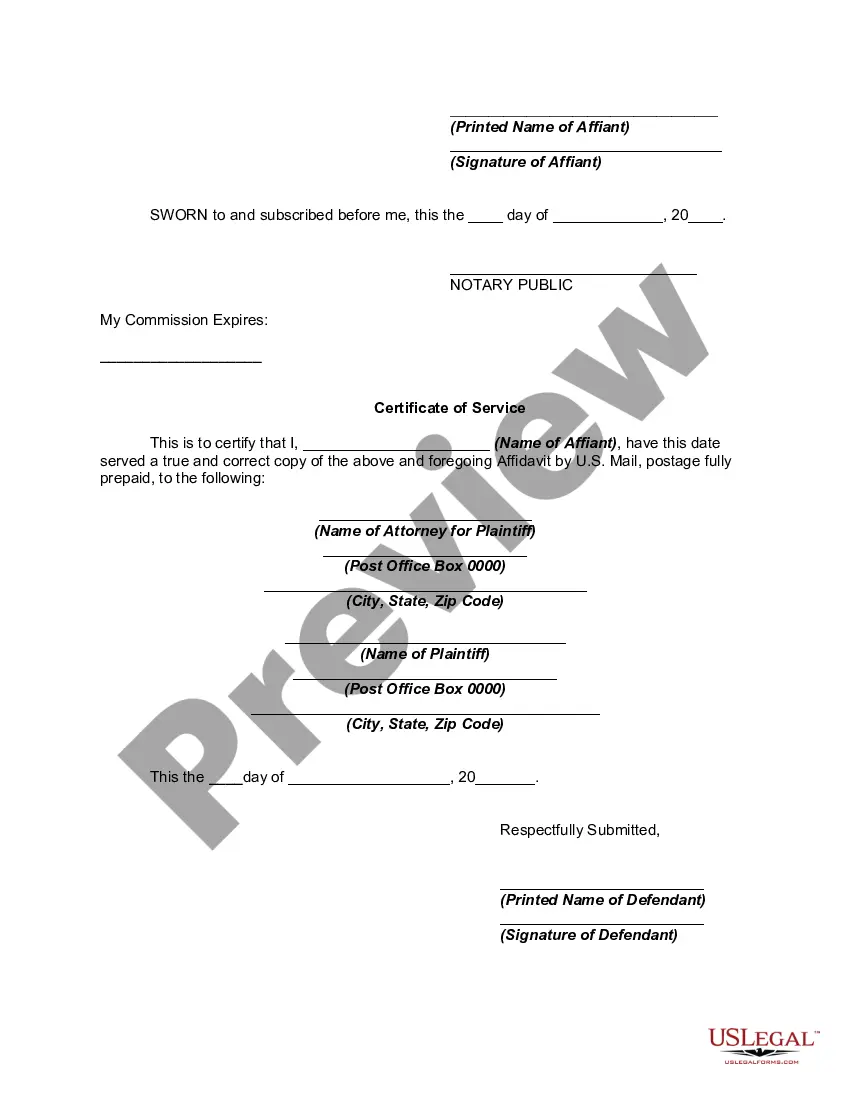




Get your form ready online
Our built-in tools help you complete, sign, share, and store your documents in one place.
Make edits, fill in missing information, and update formatting in US Legal Forms—just like you would in MS Word.
Download a copy, print it, send it by email, or mail it via USPS—whatever works best for your next step.
Sign and collect signatures with our SignNow integration. Send to multiple recipients, set reminders, and more. Go Premium to unlock E-Sign.
If this form requires notarization, complete it online through a secure video call—no need to meet a notary in person or wait for an appointment.
We protect your documents and personal data by following strict security and privacy standards.

Make edits, fill in missing information, and update formatting in US Legal Forms—just like you would in MS Word.

Download a copy, print it, send it by email, or mail it via USPS—whatever works best for your next step.

Sign and collect signatures with our SignNow integration. Send to multiple recipients, set reminders, and more. Go Premium to unlock E-Sign.

If this form requires notarization, complete it online through a secure video call—no need to meet a notary in person or wait for an appointment.

We protect your documents and personal data by following strict security and privacy standards.
Looking for another form?









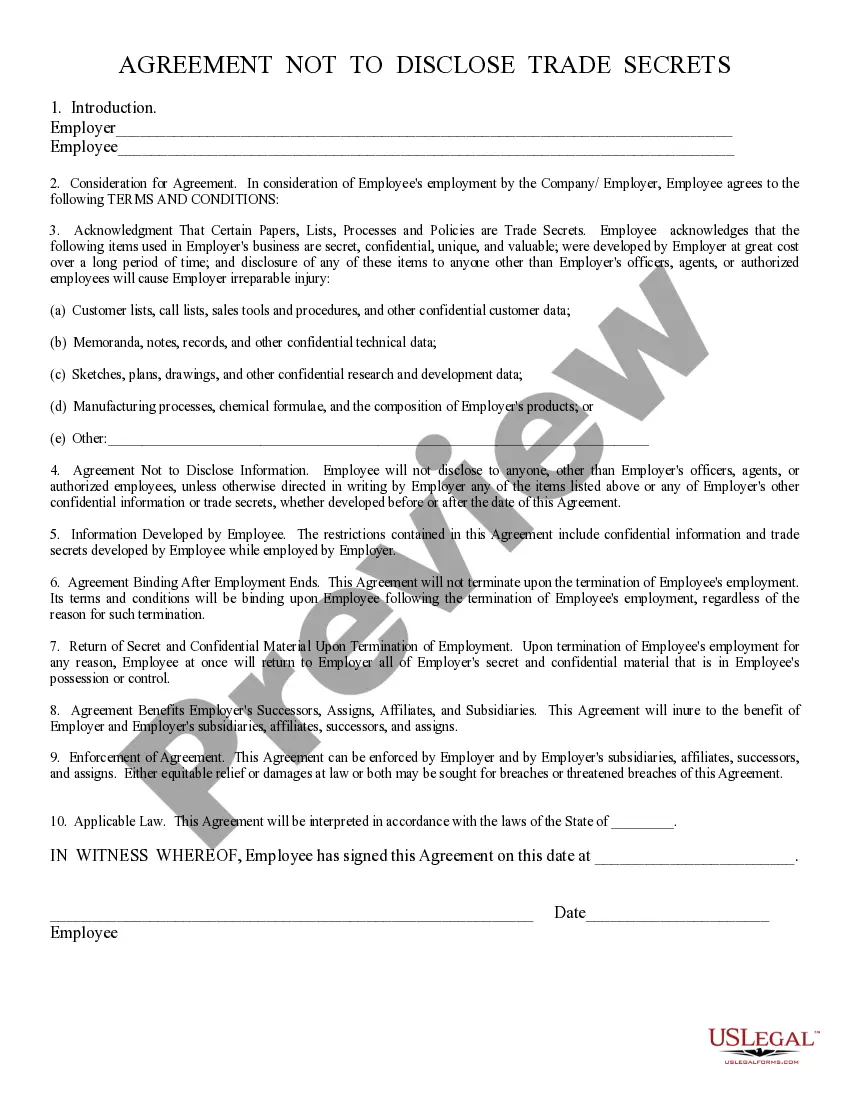
Form popularity
FAQ
Two of the biggest alimony factors in Virginia when awarding spousal support are the financial need of the party asking for support and the ability of the person paying to supplement the income of the requesting spouse to meet their needs.
One of the most significant disqualifying factors for alimony in Virginia is adultery. If you've been unfaithful during your marriage, you may lose your right to receive spousal support. Other fault-based grounds for divorce, such as cruelty or desertion, can also impact alimony decisions.
Cruelty authorizing divorce requires acts that tend to cause bodily harm and render the spouses living together unsafe. Mental cruelty alone is not normally a ground for divorce in Virginia.
Spousal support issues arise in Virginia divorces where the parties have been married for a substantial length of time and there is a significant gap in their incomes. In these cases, determination of a proper amount and duration of spousal support (called “alimony” in other states) can become very difficult.
In many cases, emotional abuse can factor in when a final divorce deal is reached. Things like child custody, visitation schedules, and property division can all be decided with an emotionally abusive partner's behavior in mind.
However, adultery is not necessarily a complete bar to the adulterous spouse receiving spousal support in Virginia. Rather, the court may still award the adulterous spouse support in some cases, based on (1) the relative finances of the parties and (2) the relative degrees of “fault” of the parties.
The formula stated in § 16.1-278. is: (a) 30% of the gross income of the payor less 50% of the gross income of the payee in cases with no minor children and (b) 28% of the gross income of the payor less 58% of the gross income of the payee in cases where the parties have minor children in common.
With that being said, you may prove your spouse's emotional abuse in the following ways: Take videos of incidents of your spouse's emotional abuse playing out. Collect copies of digital evidence (i.e., voicemails, text messages, emails, etc.) that point to your spouse's emotional abuse towards you.

