Alimony Spouse Support Foreign In Salt Lake
Description

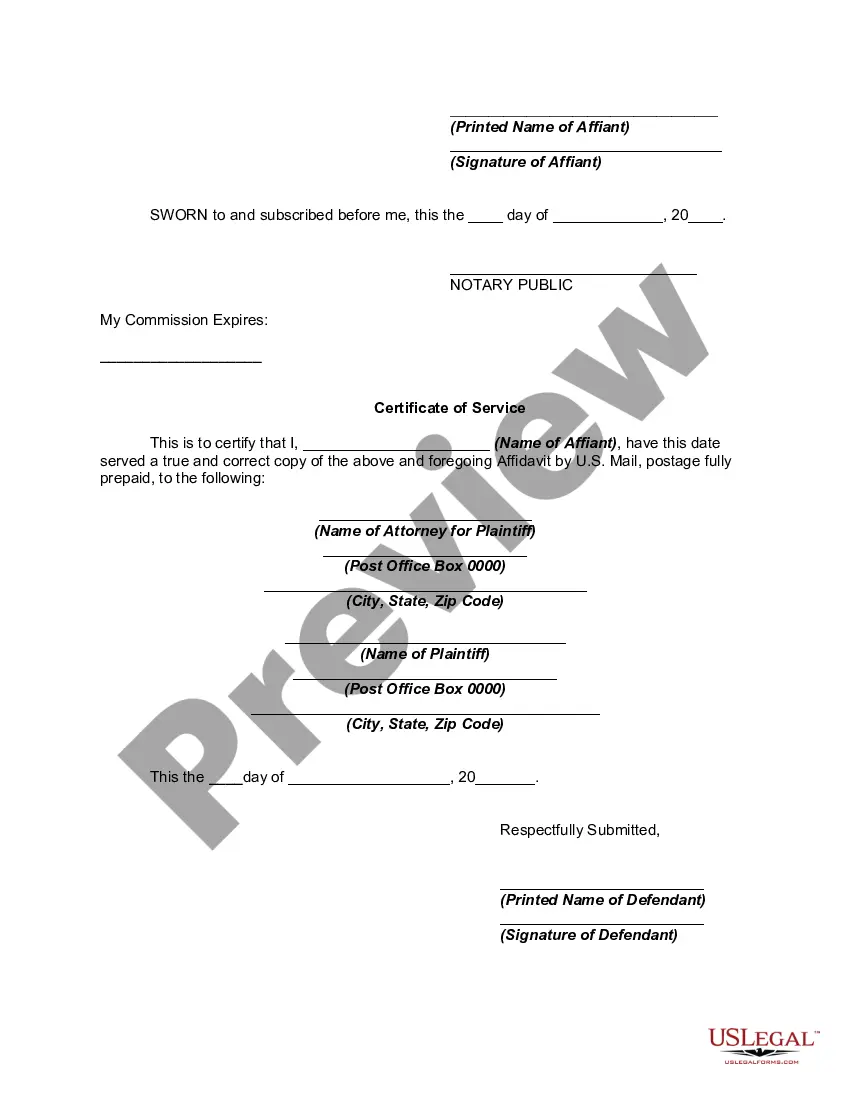




Get your form ready online
Our built-in tools help you complete, sign, share, and store your documents in one place.
Make edits, fill in missing information, and update formatting in US Legal Forms—just like you would in MS Word.
Download a copy, print it, send it by email, or mail it via USPS—whatever works best for your next step.
Sign and collect signatures with our SignNow integration. Send to multiple recipients, set reminders, and more. Go Premium to unlock E-Sign.
If this form requires notarization, complete it online through a secure video call—no need to meet a notary in person or wait for an appointment.
We protect your documents and personal data by following strict security and privacy standards.

Make edits, fill in missing information, and update formatting in US Legal Forms—just like you would in MS Word.

Download a copy, print it, send it by email, or mail it via USPS—whatever works best for your next step.

Sign and collect signatures with our SignNow integration. Send to multiple recipients, set reminders, and more. Go Premium to unlock E-Sign.

If this form requires notarization, complete it online through a secure video call—no need to meet a notary in person or wait for an appointment.

We protect your documents and personal data by following strict security and privacy standards.
Looking for another form?







Form popularity
FAQ
In Utah, the law mandates that the judge may order alimony only up to the number of years that the marriage lasted. So if the couple was married for 17 years, the support can last up to 17 years. Any extension will be at the discretion of the family court.
Some reasons why an ex-spouse might not be entitled to receive alimony include: The ex-spouse does not meet the legally required level of financial need. You are not financially able to provide alimony to your ex-spouse. Your ex-spouse is at fault for the divorce, due to having an affair or another cause.
Utah law spells out a number of factors that judges must consider when they're deciding whether to award alimony and, if so, how much and for how long. Judges may also consider the spouse's wrongful conduct, including adultery. (Utah Code § 81-4-502 (2024).)
Countries including Australia, Canada, Germany, Mexico, and the U.K. regularly work with U.S. courts to enforce alimony orders across international borders. However, enforcing an international alimony order may take more time than enforcing a domestic one.
The citizen spouse must sign a contract (I-864) with the Federal government promising to support the non-citizen spouse financially. In most cases, even if the couple divorces, the citizen spouse must continue to support the non-citizen spouse.
The court considers the following factors when deciding whether to award alimony: The standard of living during the marriage. This includes income, value of real and personal property, and any other factor that the court thinks is important for understanding how the parties lived during their marriage.
The court considers the following factors when deciding whether to award alimony: The standard of living during the marriage. This includes income, value of real and personal property, and any other factor that the court thinks is important for understanding how the parties lived during their marriage.
