Motion Strike Sample For Job In Sacramento
Description

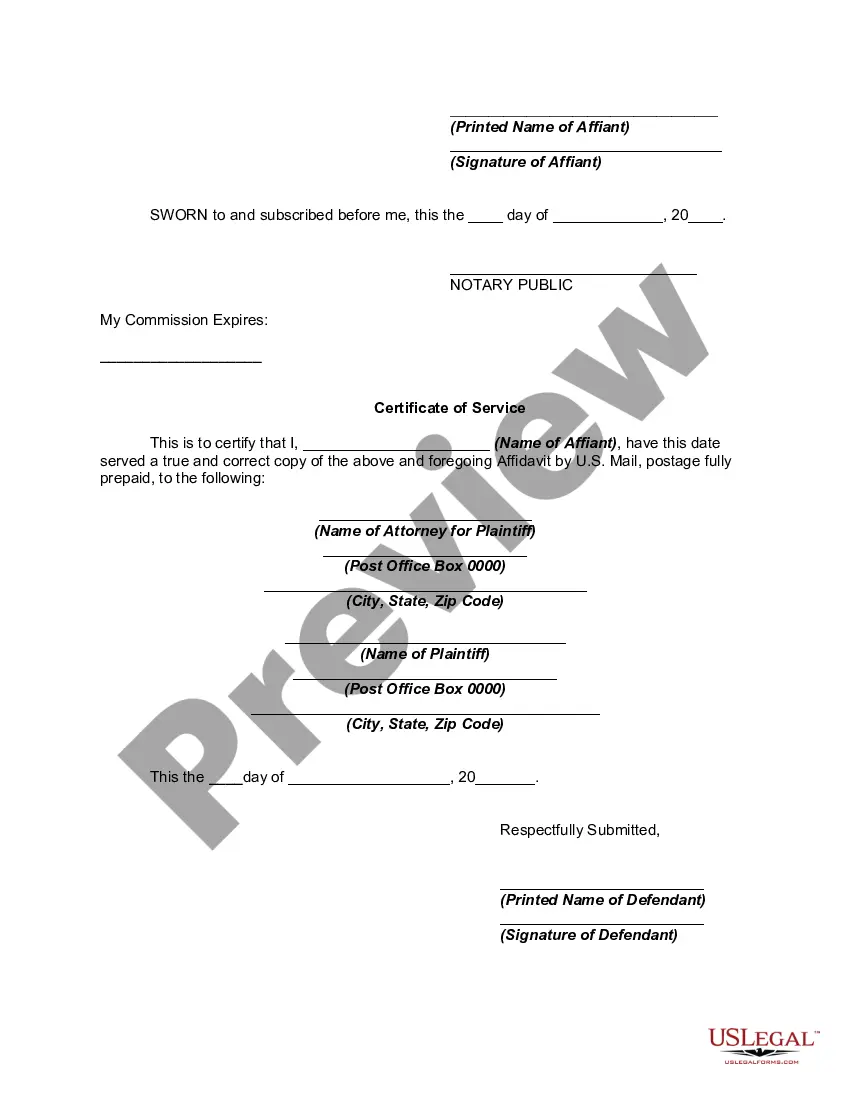




Get your form ready online
Our built-in tools help you complete, sign, share, and store your documents in one place.
Make edits, fill in missing information, and update formatting in US Legal Forms—just like you would in MS Word.
Download a copy, print it, send it by email, or mail it via USPS—whatever works best for your next step.
Sign and collect signatures with our SignNow integration. Send to multiple recipients, set reminders, and more. Go Premium to unlock E-Sign.
If this form requires notarization, complete it online through a secure video call—no need to meet a notary in person or wait for an appointment.
We protect your documents and personal data by following strict security and privacy standards.

Make edits, fill in missing information, and update formatting in US Legal Forms—just like you would in MS Word.

Download a copy, print it, send it by email, or mail it via USPS—whatever works best for your next step.

Sign and collect signatures with our SignNow integration. Send to multiple recipients, set reminders, and more. Go Premium to unlock E-Sign.

If this form requires notarization, complete it online through a secure video call—no need to meet a notary in person or wait for an appointment.

We protect your documents and personal data by following strict security and privacy standards.
Looking for another form?





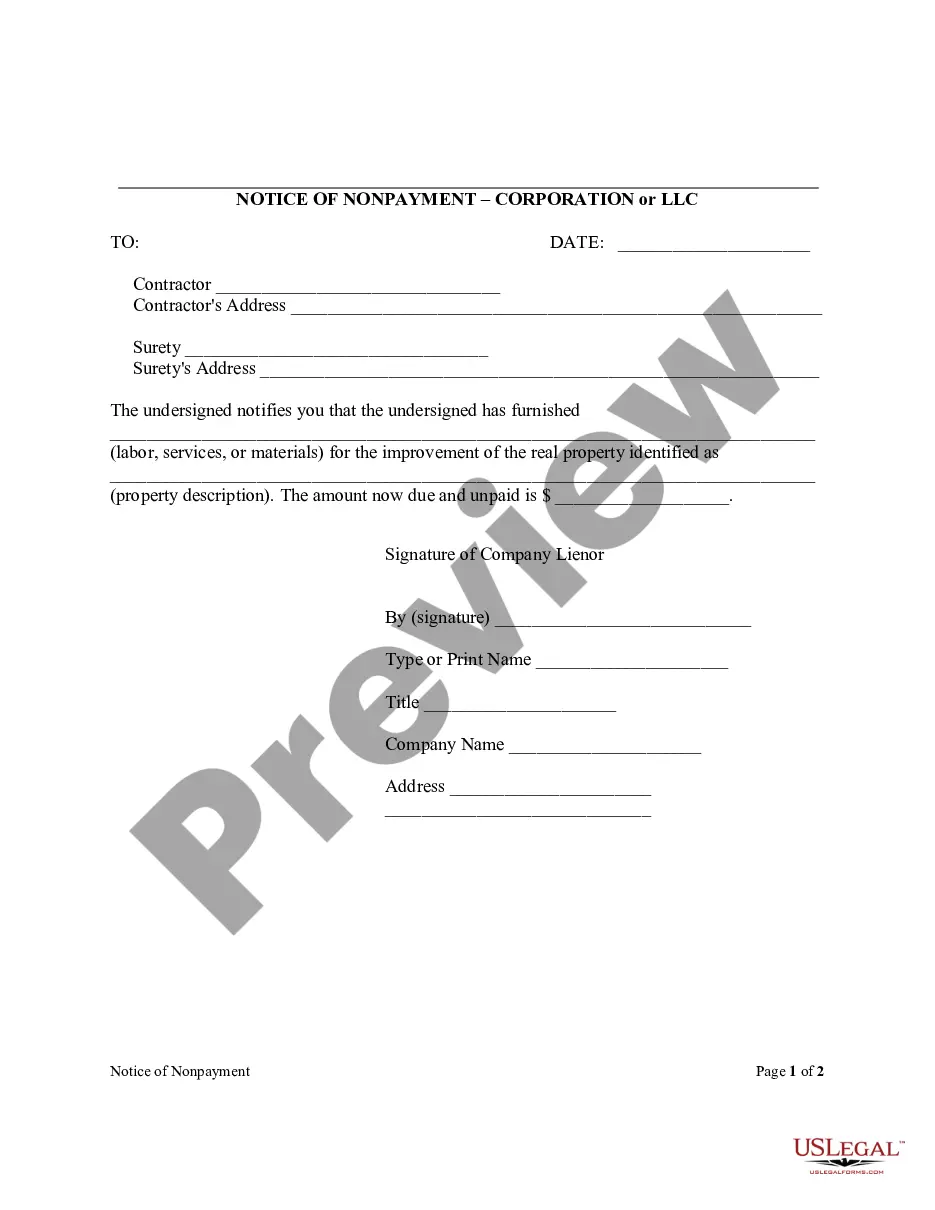
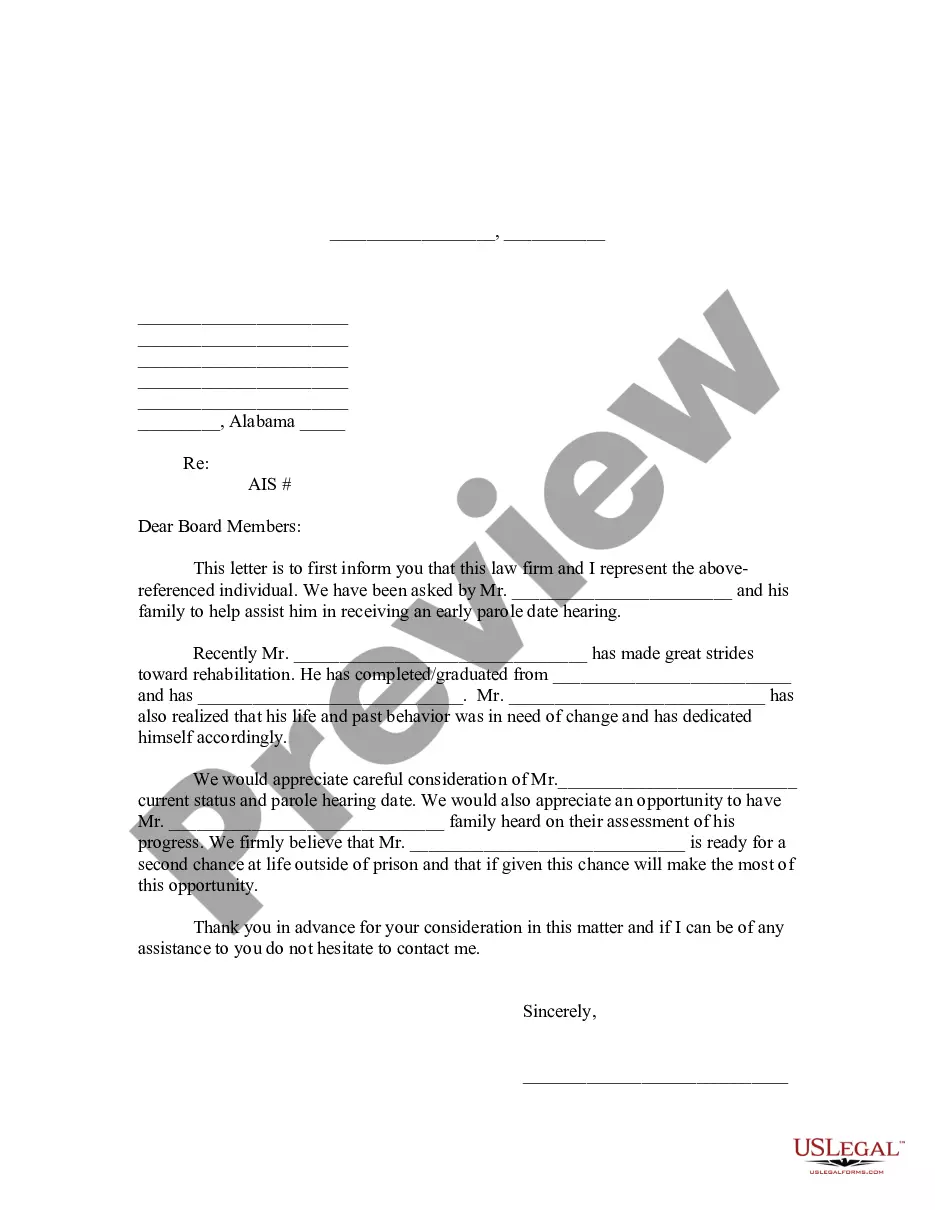


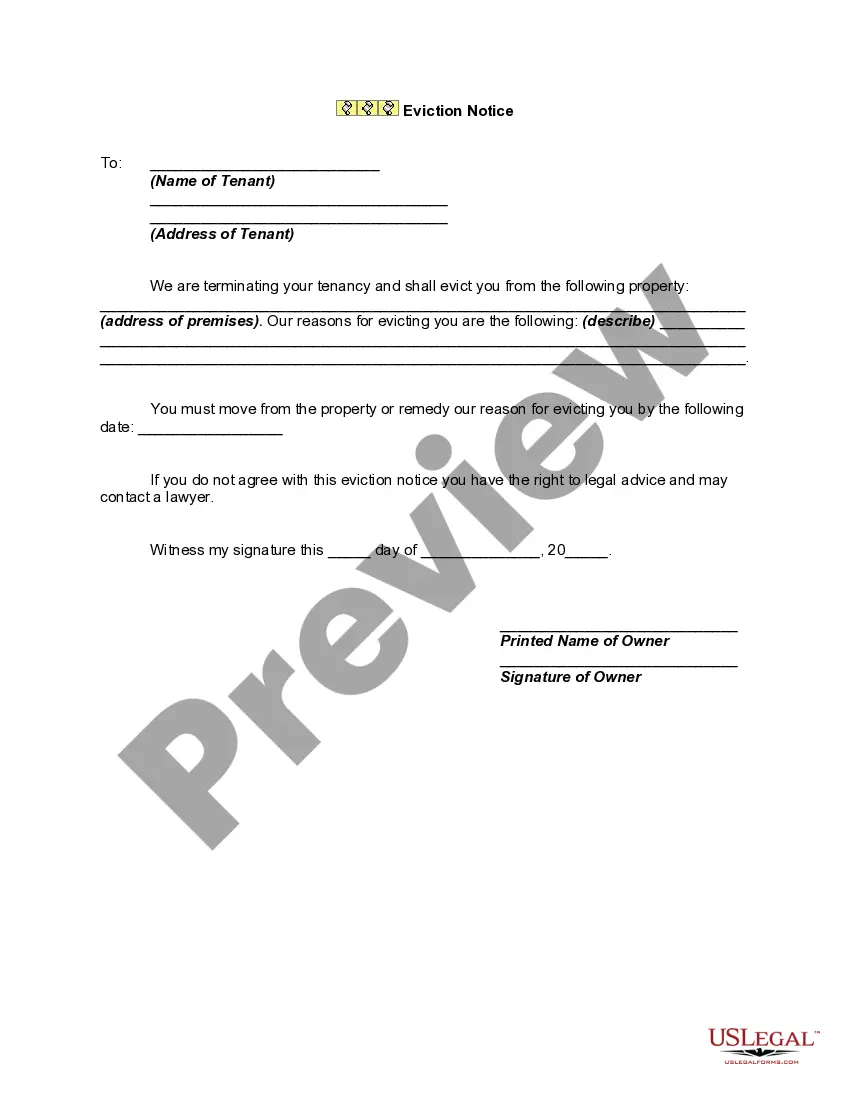
Form popularity
FAQ
The first lines of your motion should state your name and role in the case, and what you are asking the judge to do. Traditionally, the first line begins "Comes now the defendant," followed by your name. Then you state that you're asking the court to dismiss the plaintiff's complaint.
Motion to Strike Example Plaintiff supermarket alleges it has a contract with its subtenant (say, a bank or a coffee shop), the landlord knew of the contract and induced the subtenant to breach its sublease with plaintiff to take open retail space owned by the landlord in the same shopping center as the supermarket.
Motion to Strike This asks the court to take something out of the Complaint because it is not understandable, it is repetitive, it isn't legal, or it doesn't matter. This motion can help to limit what the case is about so you do not have to defend that part of the case.
For example, before disgraced comedian Bill Cosby's retrial, his defense team filed a motion to dismiss, arguing that the sexual assault alleged in the criminal complaint had happened outside of the statute of limitations.
MOTIONS TO DISMISS IN CIVIL CASES ARE COMMON In these civil litigation cases, motions to dismiss are likely based on “failure to state a claim.” A motion to dismiss is filed in response to a complaint filed by the Plaintiff requesting that the court grant them some form of relief usually damages.
If you see a potential for a motion to dismiss, this is an opportunity to inform the client how much legal expertise is necessary for such a filing. In other words, they will be facing a daunting challenge trying to represent themselves and will likely need an attorney more than ever.
Write a short and clear introduction. Draft a factually accurate narrative. Know the standard that must be met and craft an explanation of the standard. Use the most persuasive components of the relevant law. Apply the law to the facts in a convincing and credible manner. Conclusion.
All opposition papers must be filed and served at least 9 court days before the hearing. CCP § 1005 (b) (amended eff 1/1/23).
The opposition to an MSJ/MSAI is due 14 calendar days before the hearing. It must be either hand delivered or served by overnight delivery in order to ensure delivery to the opposing party not later than the close of the next business day after filing.
What happens next? If we filed the motion to strike in a trial court, then we will set the motion to be heard by a judge or magistrate, and be ruled upon. If we filed it in an appeals court, the appeals court will read the motion and offending document and will rule on it without hearing.
