Alimony Spousal Support Forms California In Illinois
Description

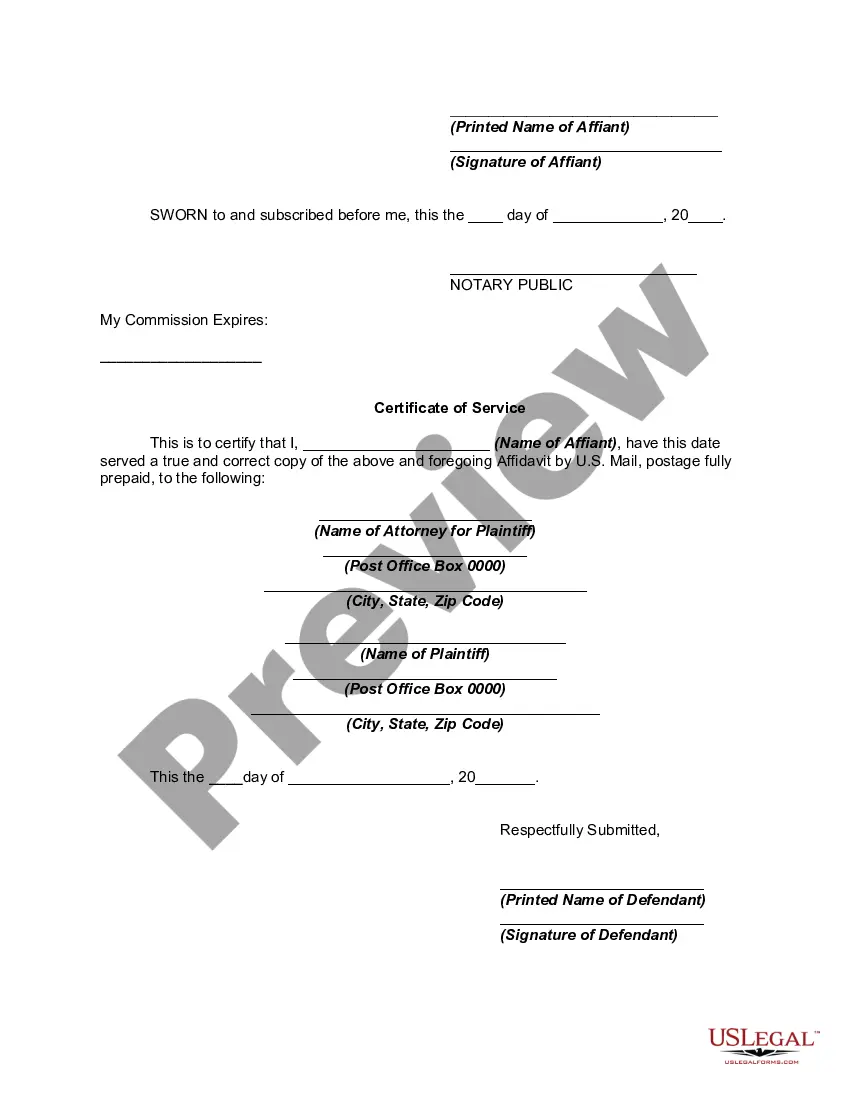




Get your form ready online
Our built-in tools help you complete, sign, share, and store your documents in one place.
Make edits, fill in missing information, and update formatting in US Legal Forms—just like you would in MS Word.
Download a copy, print it, send it by email, or mail it via USPS—whatever works best for your next step.
Sign and collect signatures with our SignNow integration. Send to multiple recipients, set reminders, and more. Go Premium to unlock E-Sign.
If this form requires notarization, complete it online through a secure video call—no need to meet a notary in person or wait for an appointment.
We protect your documents and personal data by following strict security and privacy standards.

Make edits, fill in missing information, and update formatting in US Legal Forms—just like you would in MS Word.

Download a copy, print it, send it by email, or mail it via USPS—whatever works best for your next step.

Sign and collect signatures with our SignNow integration. Send to multiple recipients, set reminders, and more. Go Premium to unlock E-Sign.

If this form requires notarization, complete it online through a secure video call—no need to meet a notary in person or wait for an appointment.

We protect your documents and personal data by following strict security and privacy standards.
Looking for another form?





Form popularity
FAQ
A spouse may be disqualified from receiving alimony if it's determined that they have ample resources to support themselves or if the marriage was of a very short duration. Other specifics may include the discovery of a spouse's non-monetary contributions or any valid agreement between the parties.
The person asking for alimony must show the court that he or she needs financial support, and that the other spouse has the ability to provide financial support.
The guideline states that the paying spouse's support be presumptively 40% of his or her net monthly income, reduced by one-half of the receiving spouse's net monthly income. If child support is an issue, spousal support is calculated after child support is calculated.
Misconduct: Certain behaviors can also lead to the disqualification of alimony. For instance, if a spouse is found to have engaged in financial misconduct, such as hiding assets or failing to disclose financial information during the divorce proceedings, this can result in disqualification.
There is no minimum marriage length to qualify for alimony, but the easier it is for the lower-earning spouse to become self-sufficient, the less support they may receive.
Eligibility for Alimony in Illinois Standard of living established during marriage. Age, health, employability, and educational level of each spouse. Earning capacity and ability to become self-supporting for the spouse seeking maintenance. Property, including marital and non-marital assets, divided between spouses.
Support lasts the reasonable amount of time it would take for the spouse to become self-supporting. The longer you were married, the longer it's assumed this will take. The judge starts with some basic assumptions: For marriages less than ten years, support will last half the length of the marriage.
Texas is one of the most difficult states to win alimony in a divorce. While it is possible to win alimony or spousal support in court, it is much more likely to receive alimony through a private contract created as part of the divorce settlement.
There isn't a state in the U.S. that will not enforce an alimony order. But enforcement is rarely automatic. Instead, the supported spouse must usually make a request to start the process. Alimony laws vary from state to state, including the requirements and methods for collecting past-due alimony.
