Alimony Spouse Support For Divorced In Hillsborough
Description

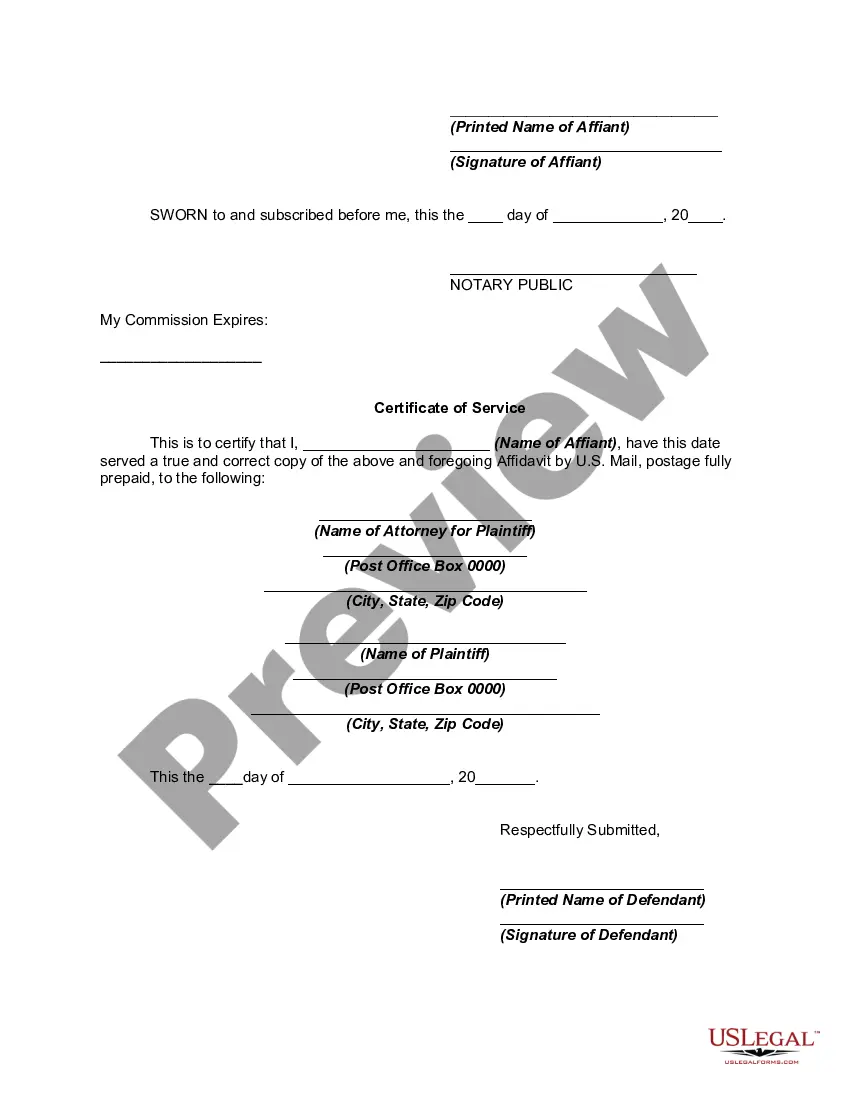




Get your form ready online
Our built-in tools help you complete, sign, share, and store your documents in one place.
Make edits, fill in missing information, and update formatting in US Legal Forms—just like you would in MS Word.
Download a copy, print it, send it by email, or mail it via USPS—whatever works best for your next step.
Sign and collect signatures with our SignNow integration. Send to multiple recipients, set reminders, and more. Go Premium to unlock E-Sign.
If this form requires notarization, complete it online through a secure video call—no need to meet a notary in person or wait for an appointment.
We protect your documents and personal data by following strict security and privacy standards.

Make edits, fill in missing information, and update formatting in US Legal Forms—just like you would in MS Word.

Download a copy, print it, send it by email, or mail it via USPS—whatever works best for your next step.

Sign and collect signatures with our SignNow integration. Send to multiple recipients, set reminders, and more. Go Premium to unlock E-Sign.

If this form requires notarization, complete it online through a secure video call—no need to meet a notary in person or wait for an appointment.

We protect your documents and personal data by following strict security and privacy standards.
Looking for another form?

Form popularity
FAQ
Reasons Alimony May Be Terminated Cohabitation. Should the supported spouse begin cohabitating with another person, alimony payments may be terminated. Remarriage. In the State of Florida, alimony payments will automatically terminate in the event the supported spouse remarries. Self-Sufficiency & Agreement. Petition.
Caps on Terms of Alimony Florida's new law institutes caps on alimony terms for rehabilitative alimony and durational alimony: Rehabilitative alimony is now capped at 5 years. For marriages lasting 3 to 10 years, durational alimony can't exceed 50% of the marriage's length.
Caps on Terms of Alimony Florida's new law institutes caps on alimony terms for rehabilitative alimony and durational alimony: Rehabilitative alimony is now capped at 5 years. For marriages lasting 3 to 10 years, durational alimony can't exceed 50% of the marriage's length.
In Florida, self-sufficiency can disqualify you from receiving spousal support or alimony in Florida. If the court determines that you have the financial means or can gain employment to meet your needs of independently, you may not be eligible for alimony.
What qualifies a recipient spouse for alimony in Florida are several factors, among them: The standard of living established during the marriage. The length of the marriage. Both spouse's financial resources, including the non-marital, marital property, assets, and liabilities.
To change your name legally as an adult, you must petition the court for permission to do so. An adult is 18 years or older in age. The petition must be filed in the county where you live. Fingerprints are required for all name changes, except where a previous name is being restored.
How long does it take to get a divorce in Tampa? If both parties cooperate 100% and agree on everything, then it could be done in as little as two weeks. If the parties disagree and it becomes contested, and there are many complex issues, then it could take well over a year.
The petition is filed with the court that entered the original alimony award. The clerk will process the petition and you will have to request a hearing for the Judge to review and consider the request. You and your ex-spouse will both need to attend the hearing.
Parents who want to apply for child support through the Florida Department of Revenue Child Support Program can do so by either applying online, by visiting the local child support office, or sending paper applications through the mail.
You can apply online, visit the local child support office (6302 E Martin Luther King Jr Blvd, Suite 110, Tampa FL 33619-1166), or call the Florida Department of Revenue Child Support Enforcement Department and ask for an application to be mailed to you.
