Alimony Spouse Support For Disabled In Fairfax
Description

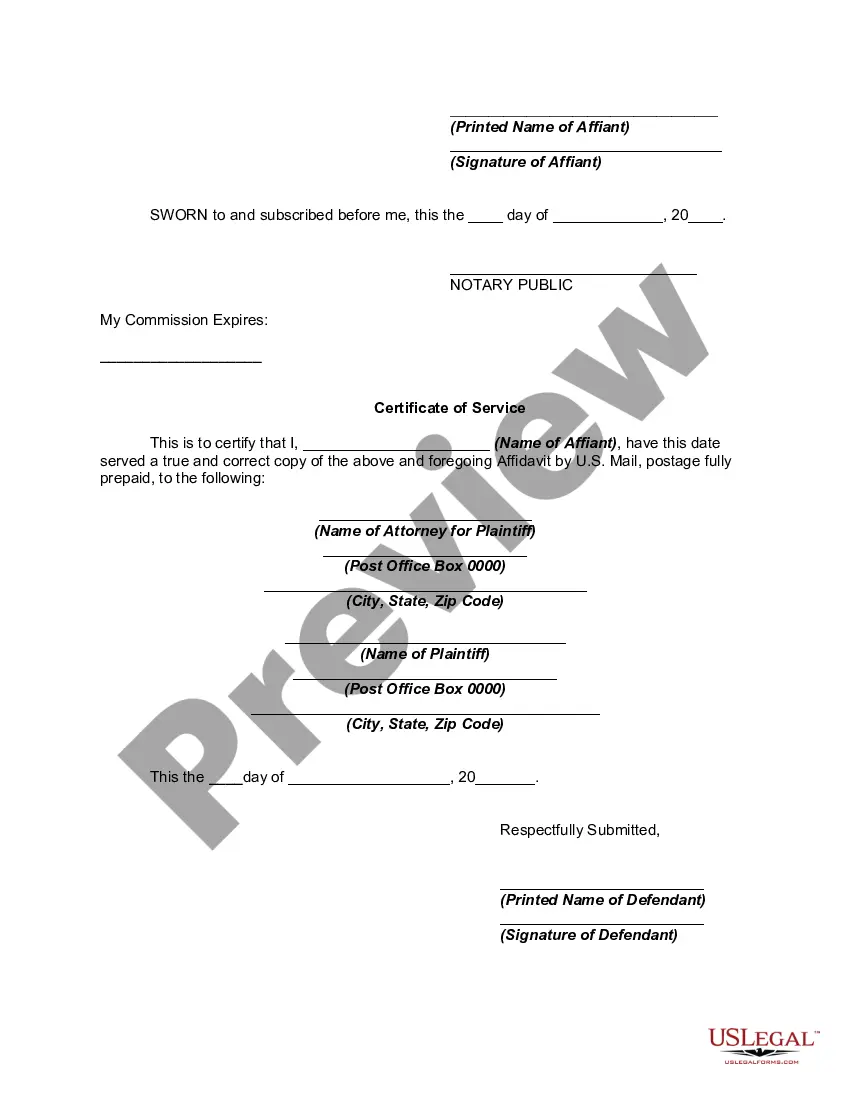




Get your form ready online
Our built-in tools help you complete, sign, share, and store your documents in one place.
Make edits, fill in missing information, and update formatting in US Legal Forms—just like you would in MS Word.
Download a copy, print it, send it by email, or mail it via USPS—whatever works best for your next step.
Sign and collect signatures with our SignNow integration. Send to multiple recipients, set reminders, and more. Go Premium to unlock E-Sign.
If this form requires notarization, complete it online through a secure video call—no need to meet a notary in person or wait for an appointment.
We protect your documents and personal data by following strict security and privacy standards.

Make edits, fill in missing information, and update formatting in US Legal Forms—just like you would in MS Word.

Download a copy, print it, send it by email, or mail it via USPS—whatever works best for your next step.

Sign and collect signatures with our SignNow integration. Send to multiple recipients, set reminders, and more. Go Premium to unlock E-Sign.

If this form requires notarization, complete it online through a secure video call—no need to meet a notary in person or wait for an appointment.

We protect your documents and personal data by following strict security and privacy standards.
Looking for another form?




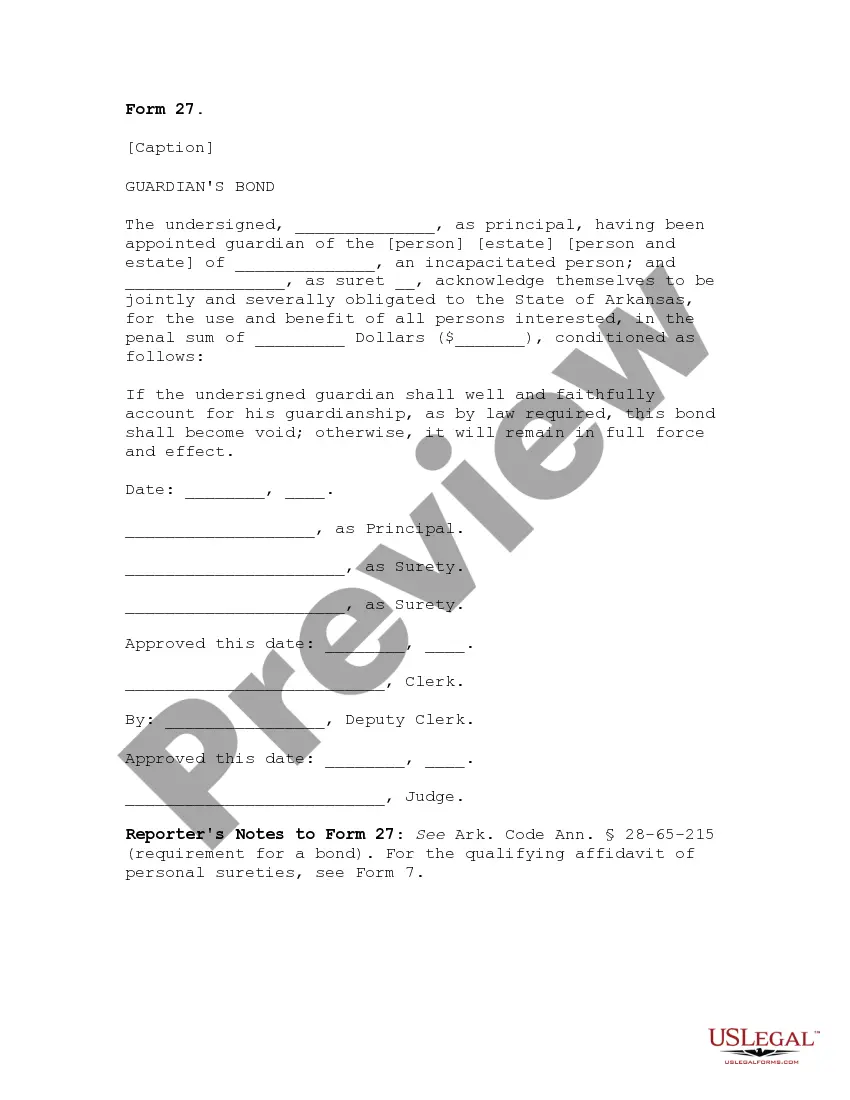





Form popularity
FAQ
The formula stated in § 16.1-278. is: (a) 30% of the gross income of the payor less 50% of the gross income of the payee in cases with no minor children and (b) 28% of the gross income of the payor less 58% of the gross income of the payee in cases where the parties have minor children in common.
One of the most significant disqualifying factors for alimony in Virginia is adultery. If you've been unfaithful during your marriage, you may lose your right to receive spousal support. Other fault-based grounds for divorce, such as cruelty or desertion, can also impact alimony decisions.
If the veteran is a retiree who is waiving military retirement to receive VA disability payments, then the VA disability can be garnished for child support or alimony, but only up to the amount of the VA waiver. Otherwise, family support cannot be taken from VA disability benefits.
Spousal support issues arise in Virginia divorces where the parties have been married for a substantial length of time and there is a significant gap in their incomes. In these cases, determination of a proper amount and duration of spousal support (called “alimony” in other states) can become very difficult.
However, adultery is not necessarily a complete bar to the adulterous spouse receiving spousal support in Virginia. Rather, the court may still award the adulterous spouse support in some cases, based on (1) the relative finances of the parties and (2) the relative degrees of “fault” of the parties.
Yes. A spouse who's disability is permanent and makes them unable to get work that provides an adequate income for swlf-support may qualify for temporary or permanent alimony. Gender makes no difference.
Navigating the Spousal Support Negotiation Process Effective communication is the cornerstone of any negotiation. Both spouses should openly discuss their financial situations, concerns, and expectations. Additionally, attempts to hide assets or other financial factors will end up working against you in court.
What is a wife entitled to in a divorce in Virginia? Neither party in the marriage is automatically entitled to anything until it is determined by the court based on their unique situation. Division of property is also determined by the court based on each spouse's financial situation and assets.
The formula stated in § 16.1-278. is: (a) 30% of the gross income of the payor less 50% of the gross income of the payee in cases with no minor children and (b) 28% of the gross income of the payor less 58% of the gross income of the payee in cases where the parties have minor children in common.
