Motion Strike Sample With No Experience In Arizona
Description

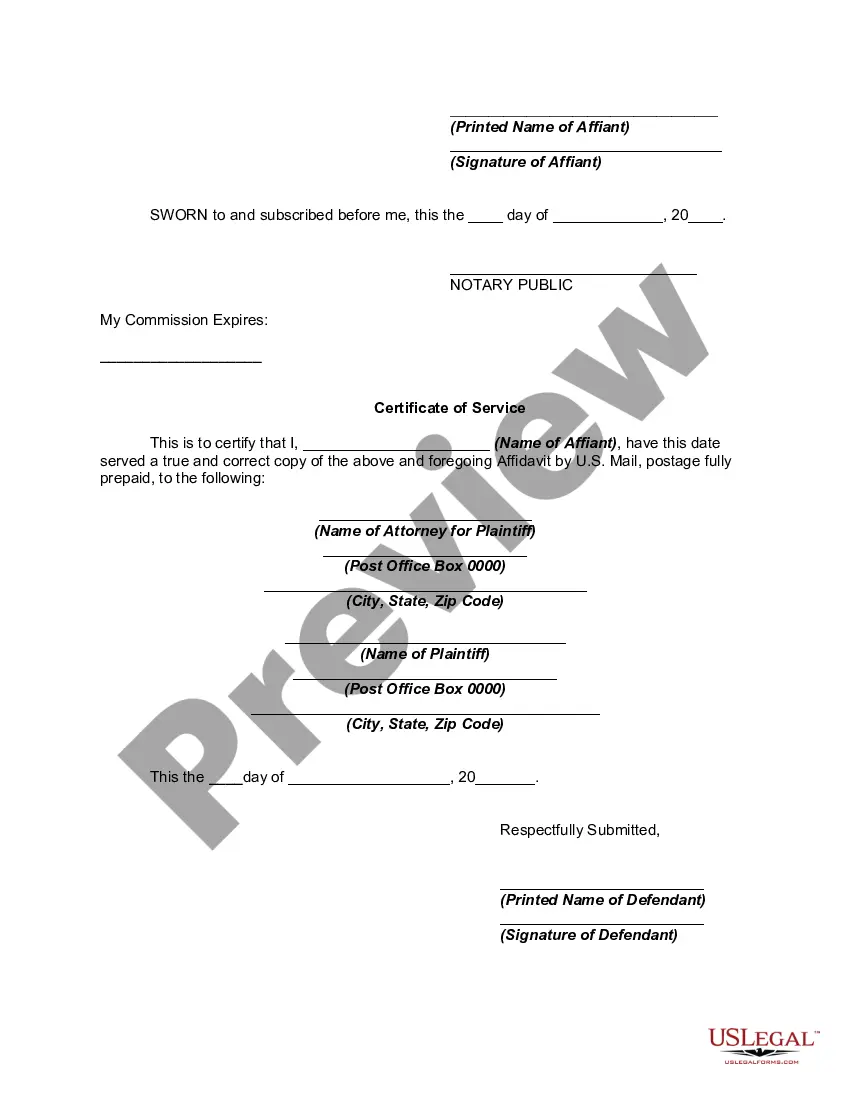




Get your form ready online
Our built-in tools help you complete, sign, share, and store your documents in one place.
Make edits, fill in missing information, and update formatting in US Legal Forms—just like you would in MS Word.
Download a copy, print it, send it by email, or mail it via USPS—whatever works best for your next step.
Sign and collect signatures with our SignNow integration. Send to multiple recipients, set reminders, and more. Go Premium to unlock E-Sign.
If this form requires notarization, complete it online through a secure video call—no need to meet a notary in person or wait for an appointment.
We protect your documents and personal data by following strict security and privacy standards.

Make edits, fill in missing information, and update formatting in US Legal Forms—just like you would in MS Word.

Download a copy, print it, send it by email, or mail it via USPS—whatever works best for your next step.

Sign and collect signatures with our SignNow integration. Send to multiple recipients, set reminders, and more. Go Premium to unlock E-Sign.

If this form requires notarization, complete it online through a secure video call—no need to meet a notary in person or wait for an appointment.

We protect your documents and personal data by following strict security and privacy standards.
Looking for another form?
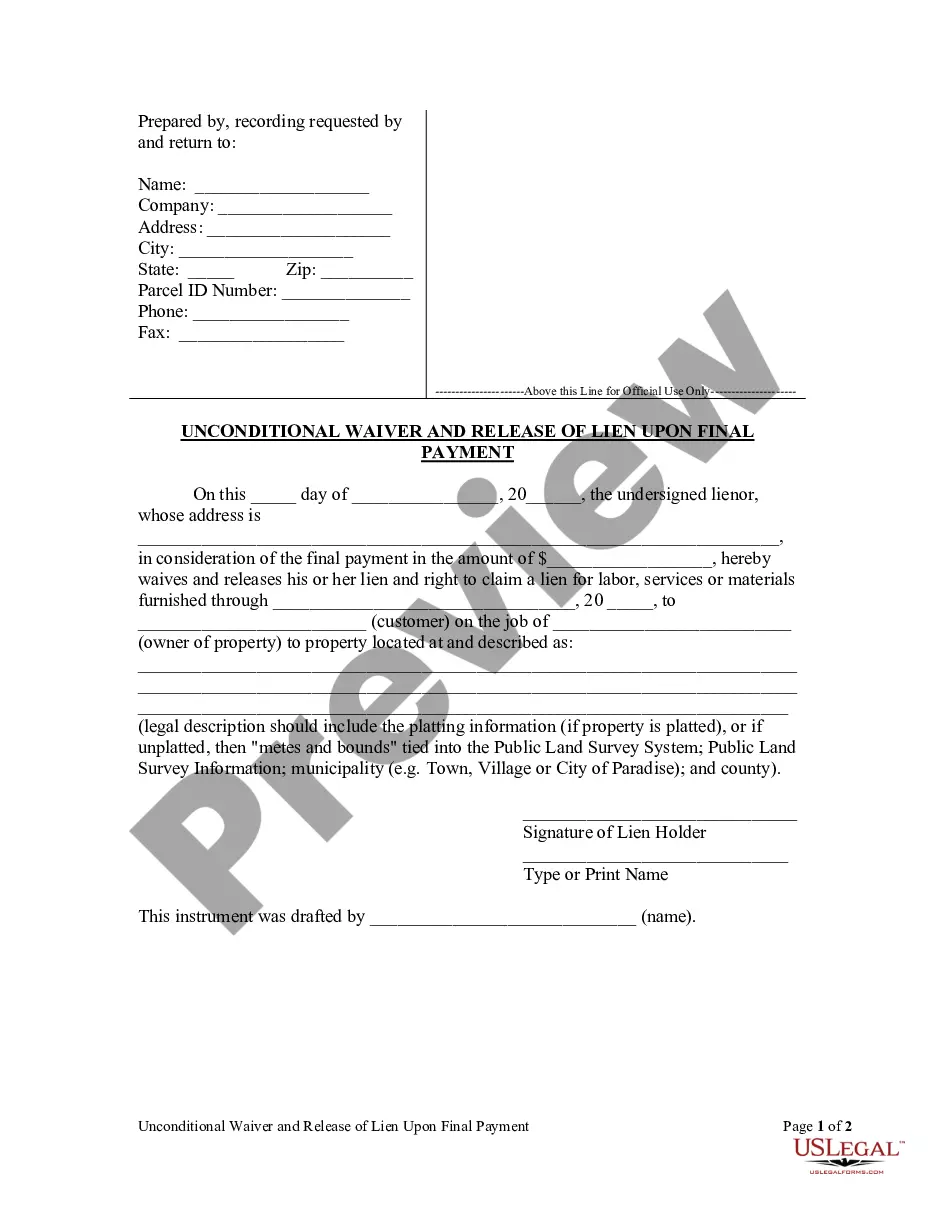





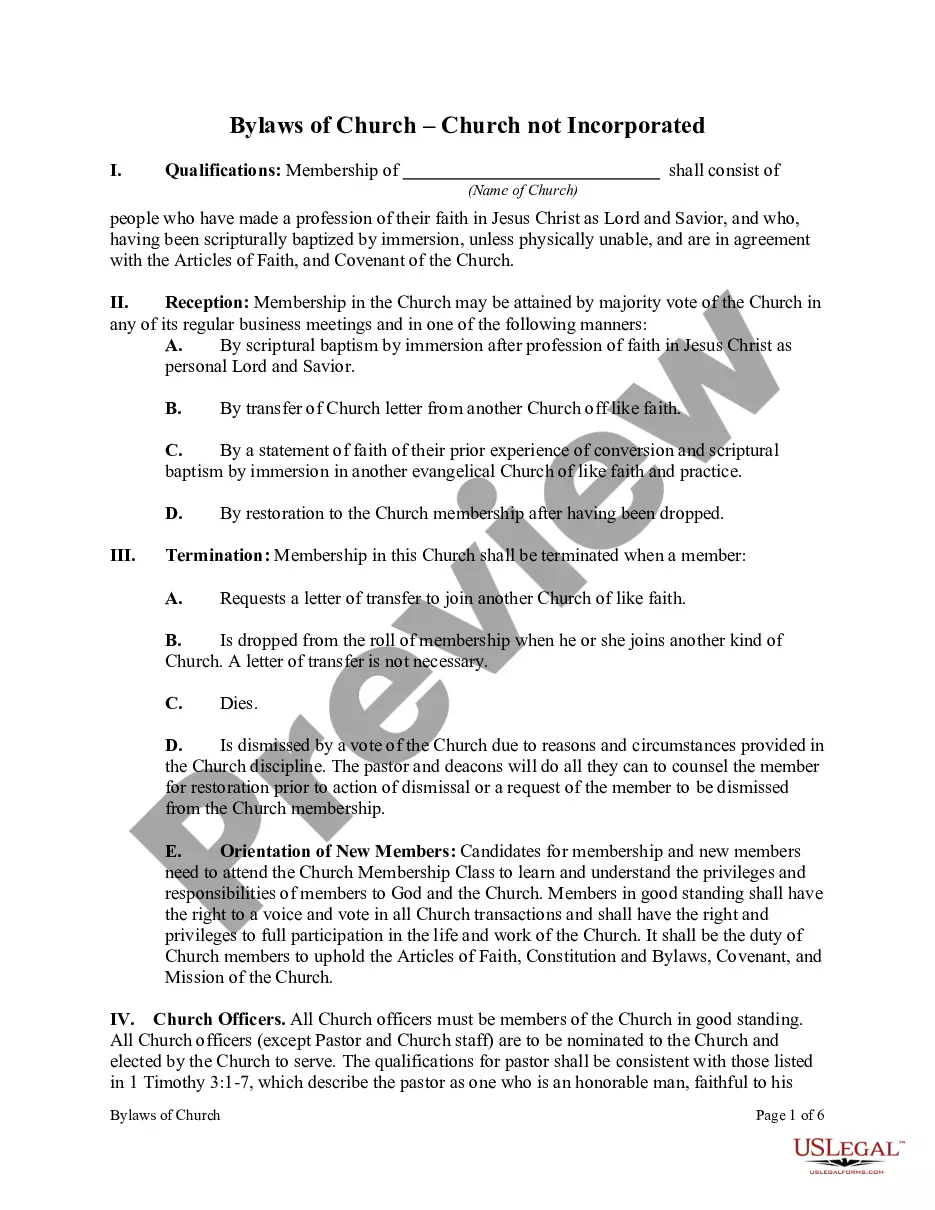
Form popularity
FAQ
Unless made at trial or an evidentiary hearing, a motion to strike may be filed only if it is expressly authorized by statute or other rule, or if it seeks to strike any part of a filing or submission on the ground that it is prohibited, or not authorized, by a specific statute, rule, or court order.
A motion to dismiss asks the court to dismiss either whole or part of a complaint, counterclaim, or crossclaim. Motion to strike or "Demurrer": In some jurisdictions, a motion to strike or a "demurrer" is the equivalent to a motion to dismiss for failure to state a claim upon which relief can be granted.
If you file a motion to strike, it must be in a stand-alone pleading that cannot exceed two pages. A response is due within five days, and the response also cannot exceed two-pages. Do not file a reply unless one is ordered. A motion to strike does not extend the deadline to file a responsive pleading.
(a) At any time, the Superior Court may order oral argument upon its own initiative or the motion of a party. (b) If a party wishes oral argument, the request must be made in the caption of a memorandum at the time a memorandum is filed.
Only these pleadings are allowed: a complaint; an answer to a complaint; a counterclaim; an answer to a counterclaim designated as a counterclaim; an answer to a crossclaim; a third-party complaint; an answer to a third-party complaint; and, if the court orders one, a reply to an answer.
Rule 26.1 of the Arizona Rules of Civil Procedure requires that the parties to a lawsuit to exchange Initial Disclosure Statements within 30 (thirty) days of the defendant filing an Answer. These disclosure statements are often referred to as “Rule 26.1 Statements” or “Rule 26.1 Disclosures” for short.
C.C.P. § 436 allows for a motion to strike “any irrelevant, false, or improper matter asserted in any pleading” or portion of a pleading “not drawn of filed in conformity with the laws of this state.” A motion to strike is proper “when a substantive defect is clear from the face of a complaint.” (PH II, Inc.
The Federal Rules of Civil Procedure states that "The court may strike from a pleading an insufficient defense or any redundant, immaterial, impertinent, or scandalous matter." Similarly, for example, the California Code of Civil Procedure provides that a motion to strike may be made to strike out any "irrelevant, ...
