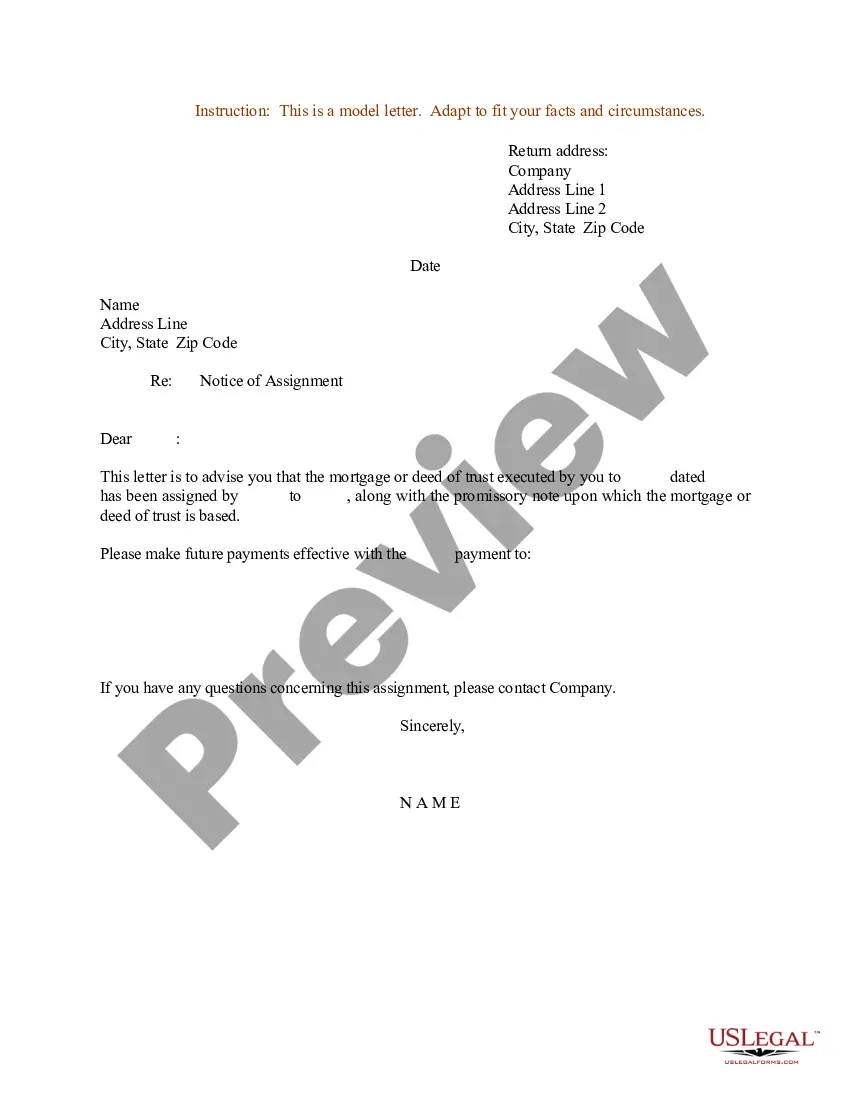
Mortgage Holder Lender For Mortgage
Description
Get your form ready online
Our built-in tools help you complete, sign, share, and store your documents in one place.
Make edits, fill in missing information, and update formatting in US Legal Forms—just like you would in MS Word.
Download a copy, print it, send it by email, or mail it via USPS—whatever works best for your next step.
Sign and collect signatures with our SignNow integration. Send to multiple recipients, set reminders, and more. Go Premium to unlock E-Sign.
If this form requires notarization, complete it online through a secure video call—no need to meet a notary in person or wait for an appointment.
We protect your documents and personal data by following strict security and privacy standards.

Make edits, fill in missing information, and update formatting in US Legal Forms—just like you would in MS Word.

Download a copy, print it, send it by email, or mail it via USPS—whatever works best for your next step.

Sign and collect signatures with our SignNow integration. Send to multiple recipients, set reminders, and more. Go Premium to unlock E-Sign.

If this form requires notarization, complete it online through a secure video call—no need to meet a notary in person or wait for an appointment.

We protect your documents and personal data by following strict security and privacy standards.
Looking for another form?







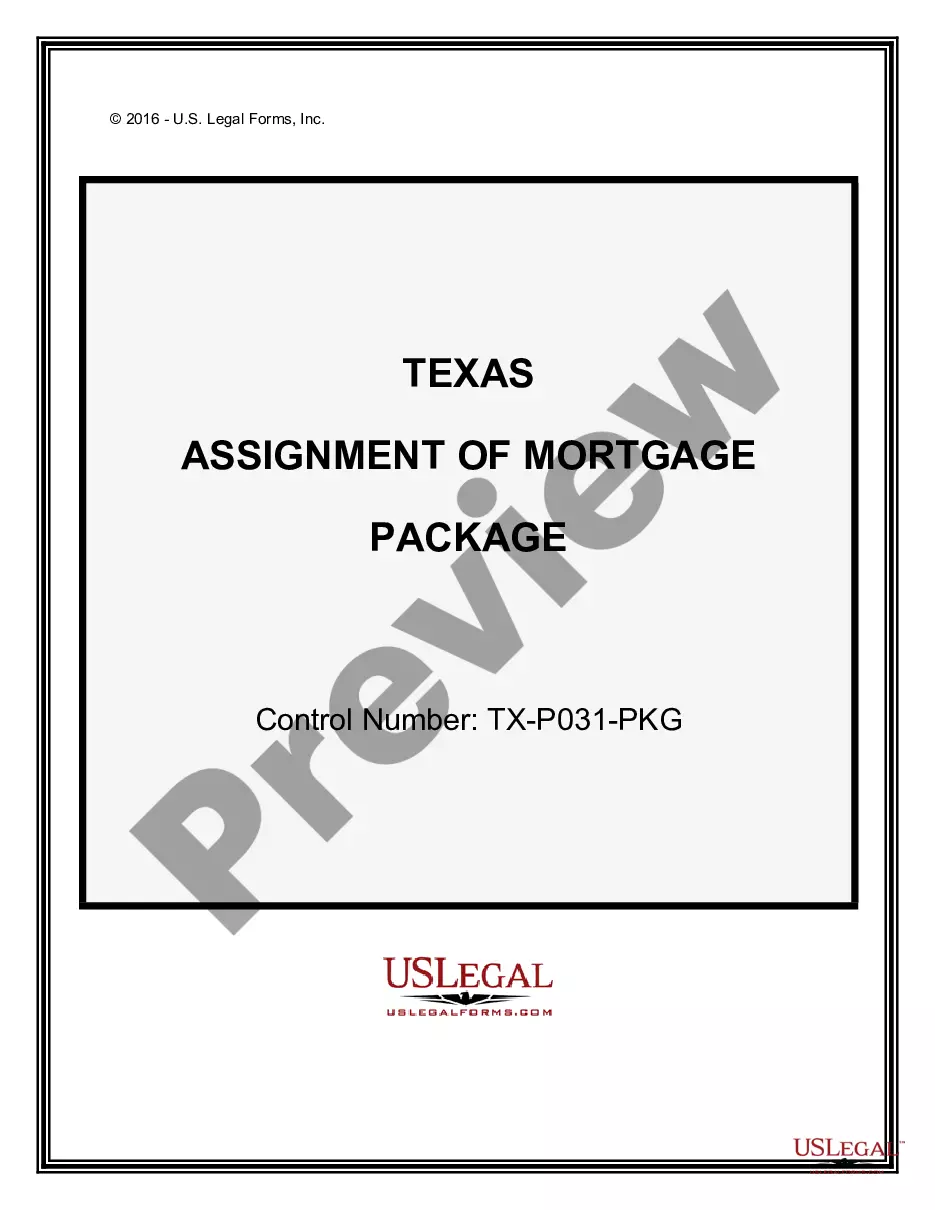
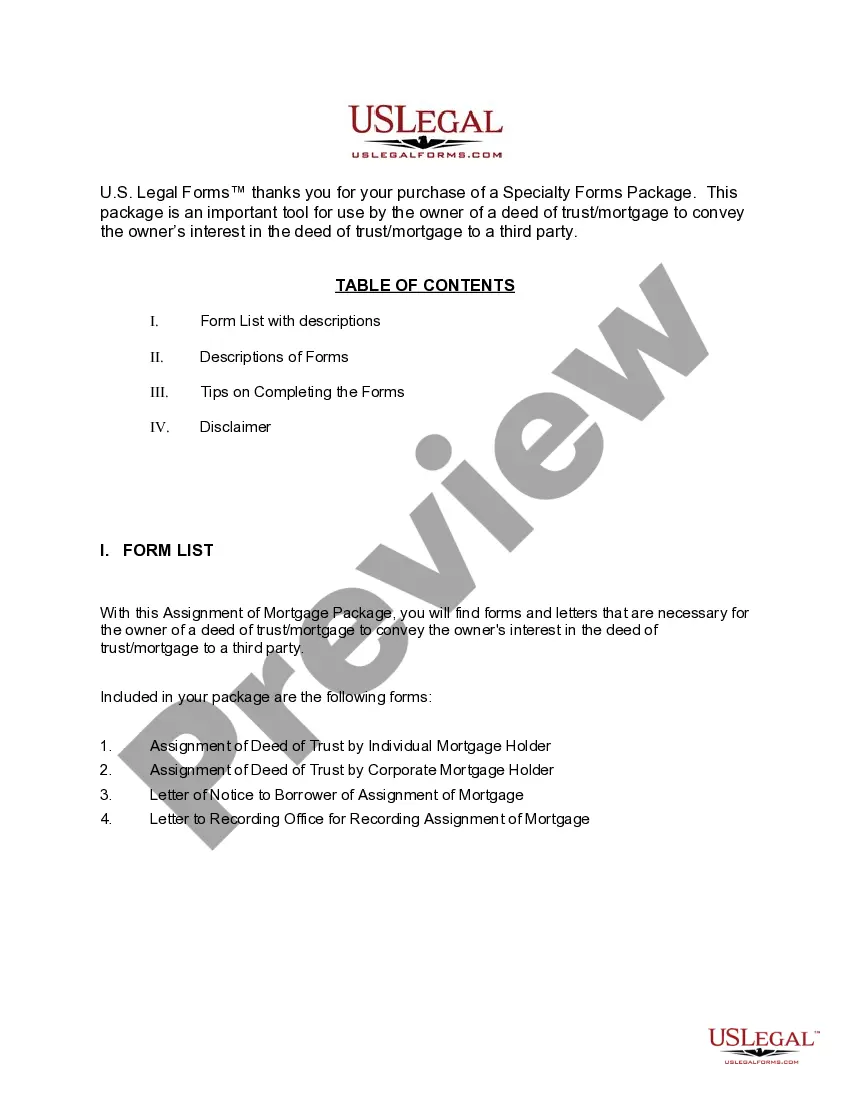
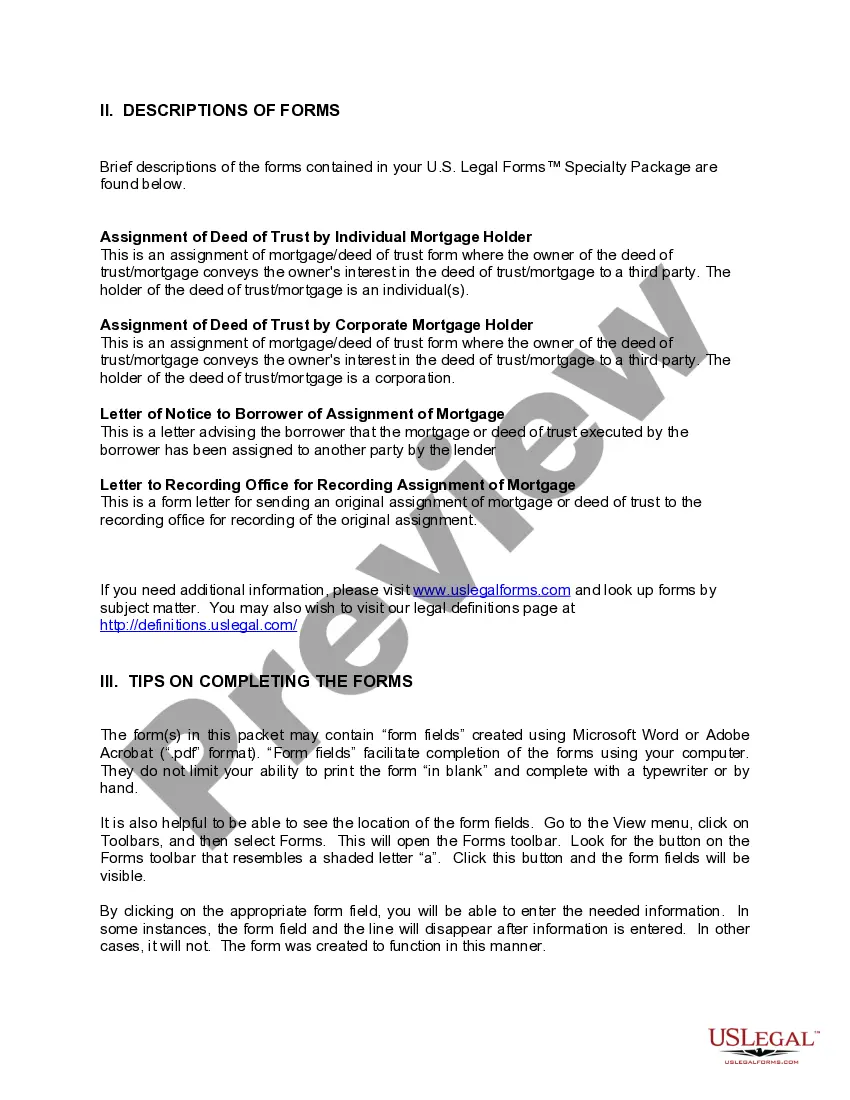
How to fill out Texas Assignment Of Mortgage Package?
Managing legal paperwork and processes can be a lengthy addition to your daily routine.
Mortgage Holder Lender For Mortgage and similar forms frequently mandate that you locate them and understand how to fill them out correctly.
For this reason, whether you are addressing financial, legal, or personal issues, utilizing a comprehensive and user-friendly online resource of forms when needed will prove beneficial.
US Legal Forms is the leading online resource for legal templates, providing over 85,000 state-specific documents and various resources to assist you in preparing your paperwork with ease.
Is it your first time using US Legal Forms? Register and create your account in just a few minutes to gain access to the form library and Mortgage Holder Lender For Mortgage. Then, follow these steps to complete your document: Ensure you have located the correct form using the Review feature and examining the form details. Select Buy Now when you're ready and choose the monthly subscription plan that suits your needs. Click Download then fill out, sign, and print the form. US Legal Forms has 25 years of experience helping users manage their legal documents. Find the form you require today and streamline any process without exerting too much effort.
- Browse the collection of relevant documents available with just one click.
- US Legal Forms supplies you with state- and county-specific documents obtainable anytime for download.
- Protect your document management processes with a premium service that allows you to create any form in minutes without incurring additional or concealed charges.
- Simply Log In to your account, locate Mortgage Holder Lender For Mortgage, and download it immediately from the My documents section.
- You can also retrieve previously downloaded documents.
Form popularity
FAQ
While the terms mortgage holder and mortgagee are often used interchangeably, they have distinct meanings. The mortgagee is typically the lender who provides the funds for the mortgage, while the mortgage holder may refer to the entity that owns the mortgage, which could be the same as the mortgagee or a different party. It's important to clarify these terms when discussing your mortgage to ensure you understand your obligations and rights. If you need clarity about your mortgage, consider exploring US Legal Forms for useful insights.
To file a complaint against a mortgage holder lender for mortgage, start by contacting the lender directly. If that doesn't resolve the issue, you can escalate it to state or federal regulatory agencies, like the Consumer Financial Protection Bureau (CFPB). They provide guidelines and support for consumers dealing with mortgage-related issues. For further assistance, consider using platforms like US Legal Forms to access the necessary documentation and resources.
Yes, you can look up someone else's mortgage since mortgage documents are usually part of the public record. However, the level of detail you can access may vary based on local laws and regulations. Checking with your local recording office can provide insights into available information. Tools like USLegalForms can also help streamline this process.
Finding a mortgage holder can be accomplished by conducting a title search or accessing your local property records office. They provide insight into current mortgage agreements and the lender's information. You may also consider using online platforms like USLegalForms, which can guide you in obtaining necessary documents related to your mortgage holder lender for mortgage.
Yes, a person's mortgage is generally considered public record. This means you can access details about the mortgage, including the borrower’s name and the mortgage amount, through public records. However, specific privacy laws may limit certain information. Always check your local laws regarding public records to understand what is accessible.
You can find out who is on a mortgage by accessing public property records at your local county office. These records usually include details about the mortgage and the parties involved. Alternatively, hiring a title search company can simplify the process. It ensures you correctly identify all individuals linked with the mortgage holder lender for mortgage.
To get a mortgage lender, you typically need to provide proof of income, credit history, and other financial documents. A lender may also require details about your debts and assets. Building a solid credit score can enhance your chances of securing favorable terms. Thus, preparation is vital when approaching a mortgage holder lender for mortgage.
To find out who holds the mortgage on a property, you can start by checking the county recorder's office or land registry office. These records typically show the mortgage holder lender for mortgage arrangements. Additionally, you can request this information through a title company. They can provide detailed reports that include the current mortgage holder.