Land Trust Example For The Mississippi Coastal Plain
Description
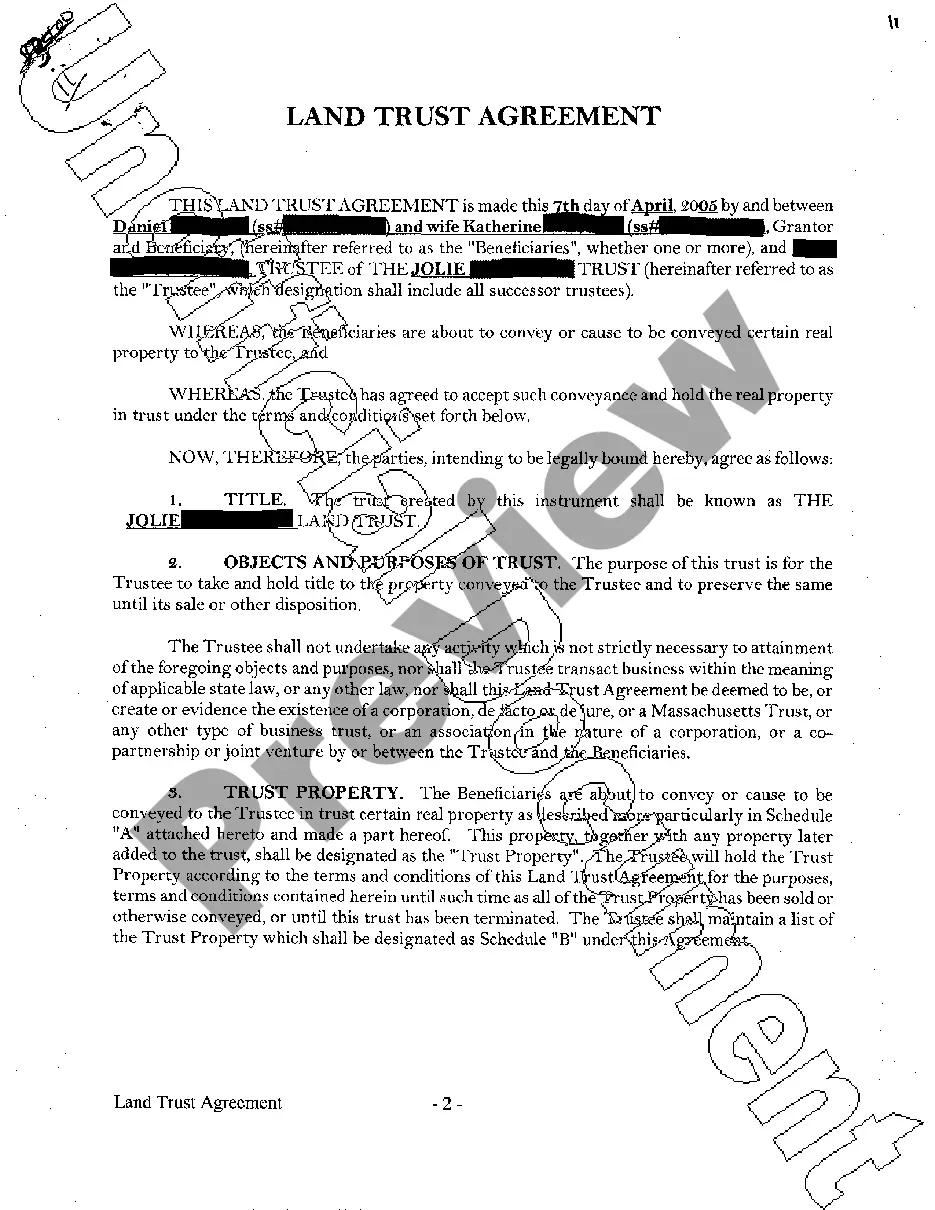
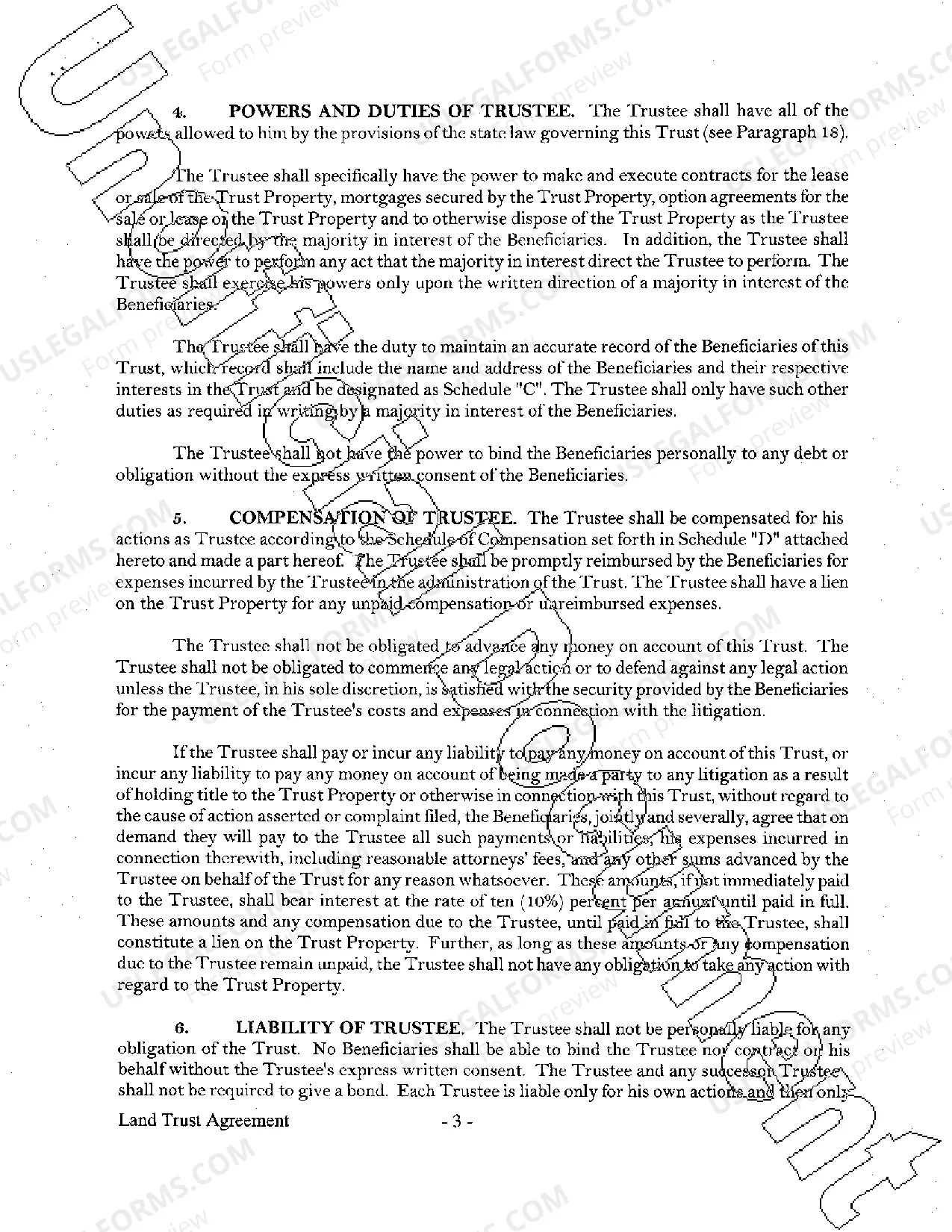
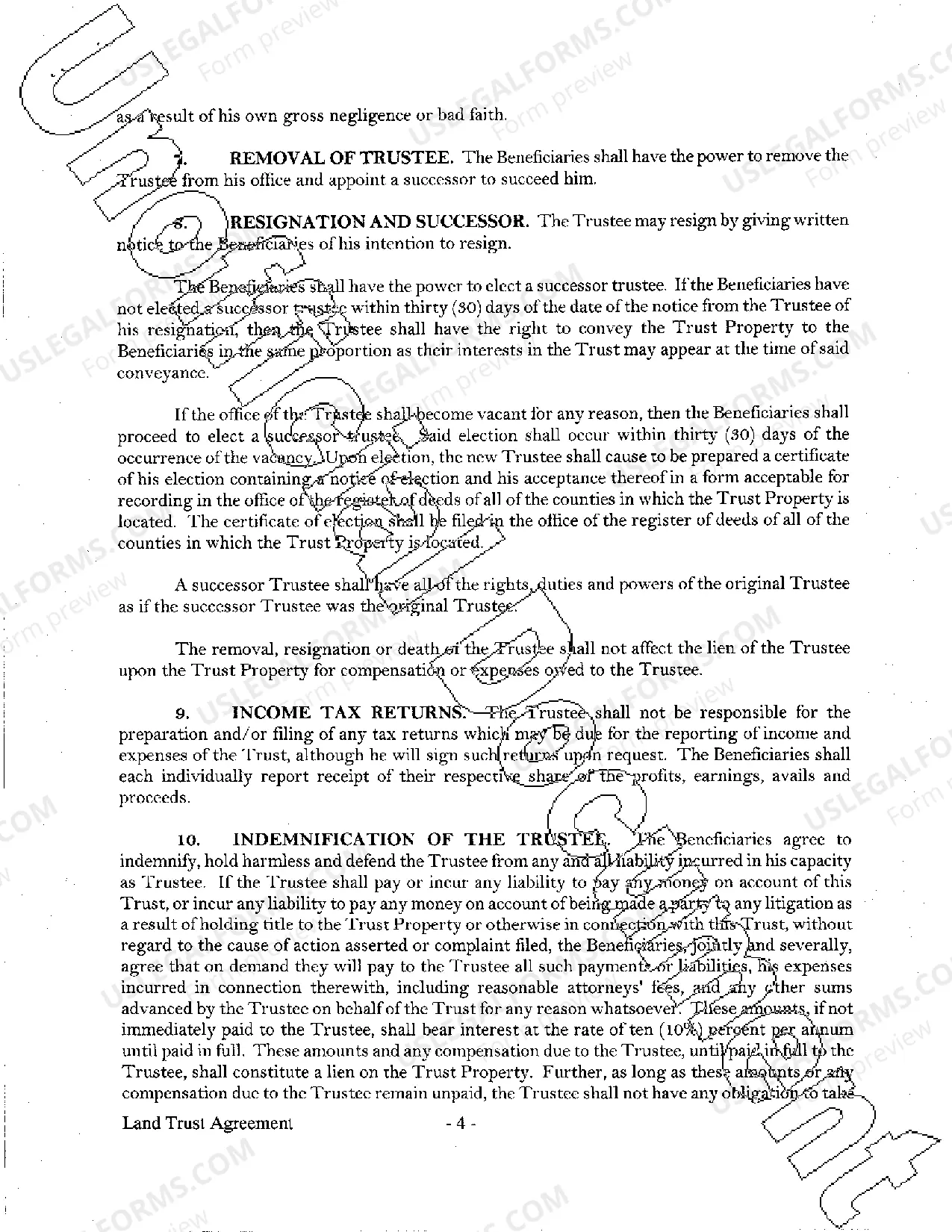
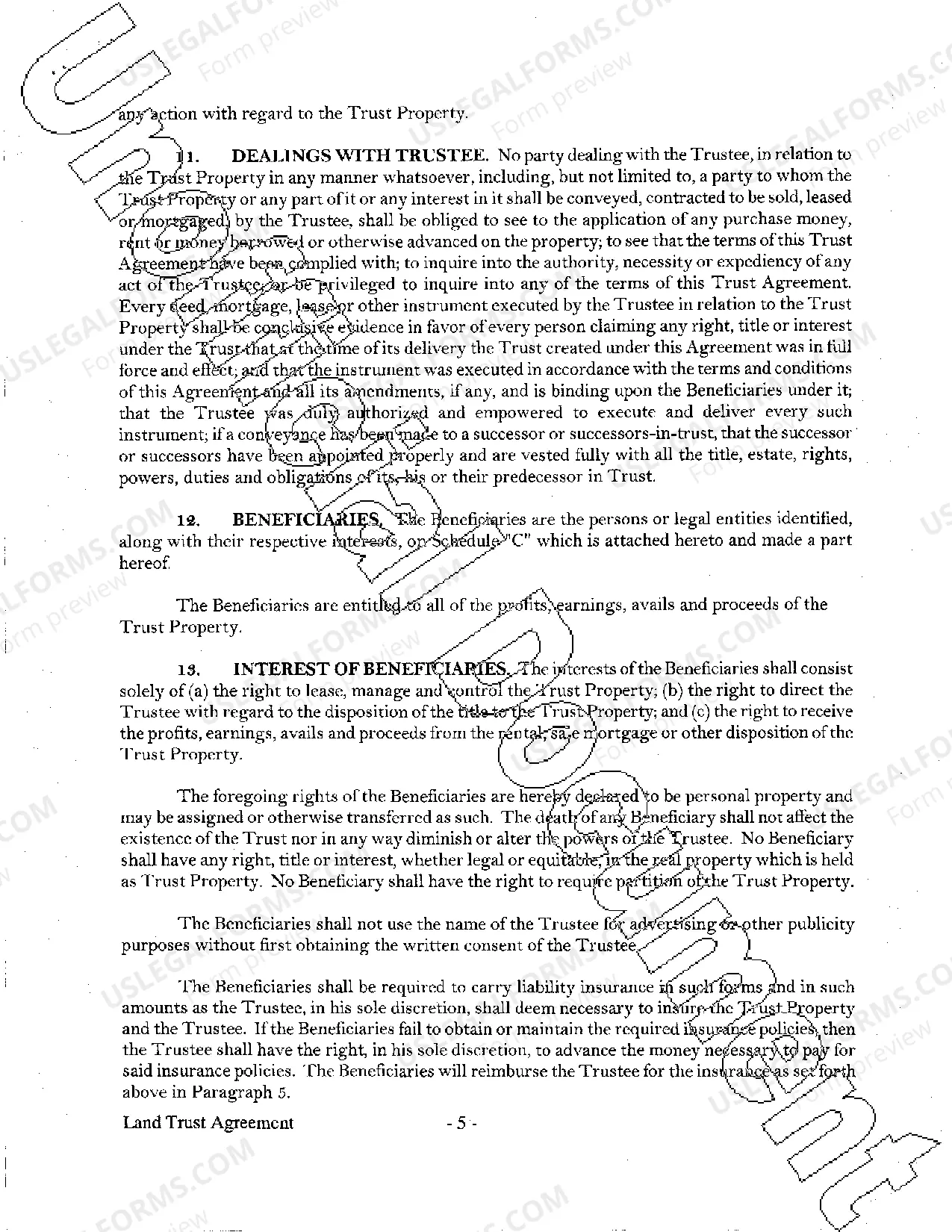

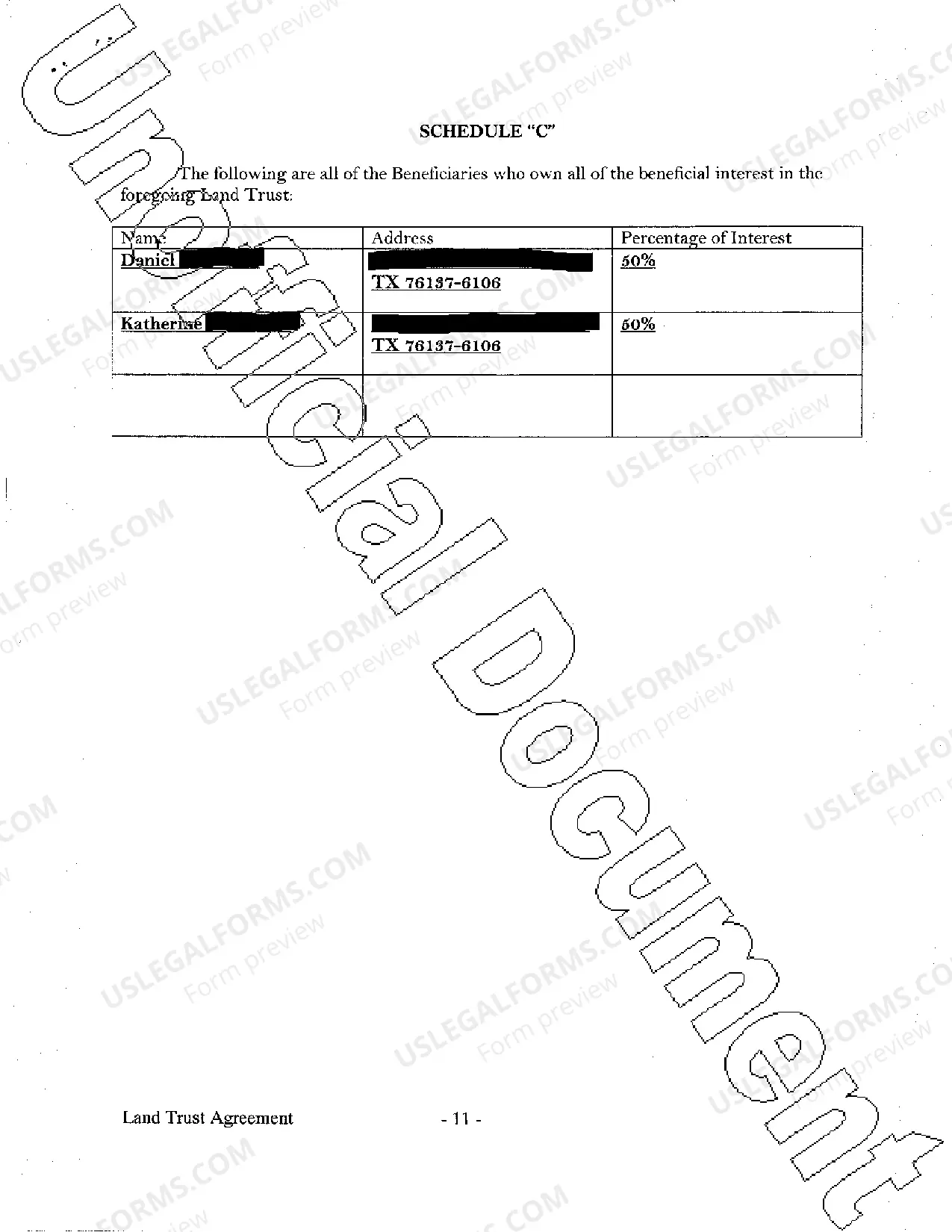

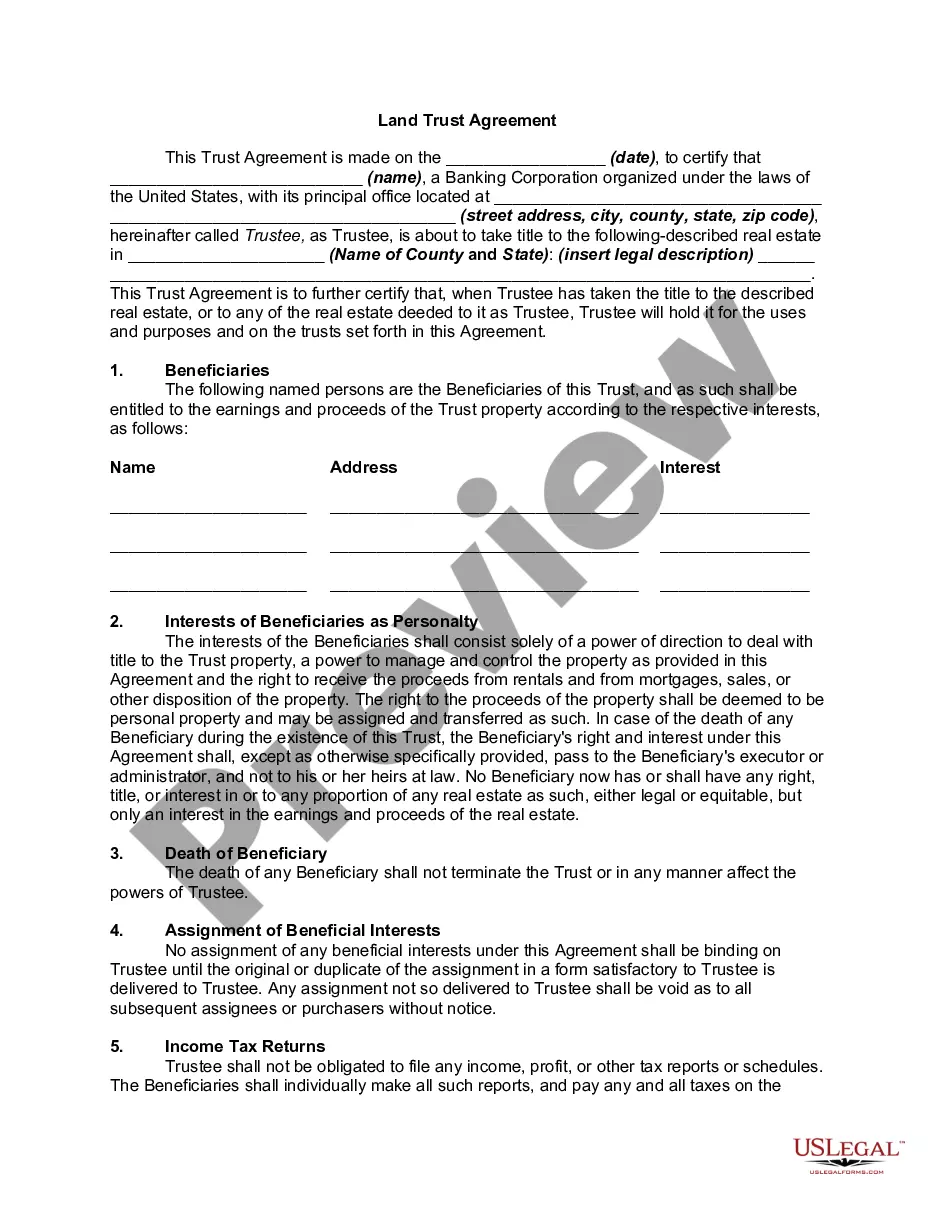
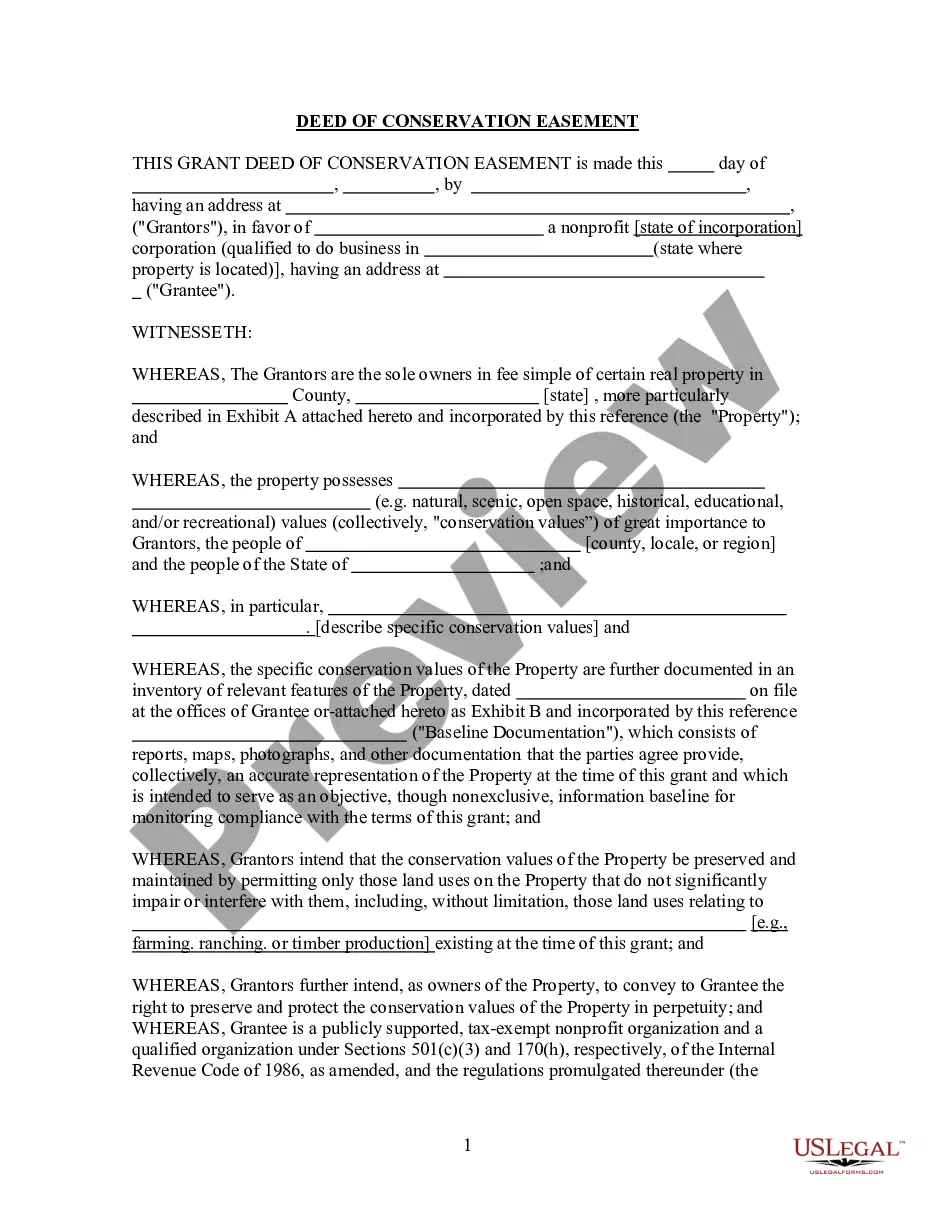

How to fill out Texas Land Trust Agreement?
Whether for commercial reasons or personal affairs, everyone inevitably encounters legal issues at some point in their lives.
Filling out legal paperwork requires meticulous care, starting from choosing the correct form template.
With a comprehensive US Legal Forms catalog available, you do not need to waste time searching for the suitable sample online. Make use of the library’s easy navigation to find the correct template for any situation.
- Locate the sample you need by using the search bar or exploring the catalog.
- Review the form’s details to ensure it aligns with your circumstances, state, and county.
- Click on the form’s preview to inspect it.
- If it is the wrong document, go back to the search feature to find the Land Trust Example For The Mississippi Coastal Plain sample you need.
- Obtain the file once it fits your needs.
- If you already have a US Legal Forms account, click Log in to access saved files in My documents.
- If you do not have an account yet, you can download the form by clicking Buy now.
- Choose the appropriate pricing option.
- Complete the registration form for your account.
- Select your payment method: you can use a credit card or PayPal.
- Choose your desired file format and download the Land Trust Example For The Mississippi Coastal Plain.
- Once downloaded, you can fill out the form using editing software or print it and complete it by hand.
Form popularity
FAQ
A land trust example for the Mississippi coastal plain offers several benefits for property owners. By establishing a land trust, you can protect your property from excessive development and preserve its natural beauty for future generations. Additionally, land trusts often provide tax advantages, making it easier to manage financial responsibilities. Ultimately, a land trust is a smart choice for those looking to ensure their land remains a cherished part of the community.
An example of a land trust is the Nature Conservancy, which works across the United States, including Mississippi. This organization acquires land and easements to protect important habitats and promote sustainable land use. They provide clear, real-life examples of how a land trust example for the Mississippi Coastal Plain can successfully combine conservation efforts with community needs.
A land trust example typically refers to a specific case where land trust principles have been applied effectively. For instance, consider a scenario where a community banded together to establish a trust that protects local forests and waterways from development. Exploring this idea can provide insight into how a land trust example for the Mississippi Coastal Plain might function in practice.
The land trust for the Mississippi Coastal Plain specifically focuses on conserving and protecting the unique ecosystems found along the coast. This may include wetlands, forests, and wildlife habitats that are critical to maintaining the area's biodiversity. Understanding the mission behind this land trust is vital for anyone looking to engage with or benefit from a land trust example for the Mississippi Coastal Plain.
One disadvantage of a land trust is the potential loss of control over the property. Once placed in a land trust, the landowner must adhere to the terms of the trust, which may limit how the land can be used. It’s important to weigh these limitations against the benefits, especially in cases like a land trust example for the Mississippi Coastal Plain where conservation is prioritized.
Writing up a land trust requires careful consideration of specific legal and regulatory requirements. Start by specifying the property to be included and identify the trust's purpose. To simplify this process, consider using tools from USLegalForms to guide you through the necessary documentation for a land trust example for the Mississippi Coastal Plain.
In Mississippi, a land trust operates as a non-profit organization dedicated to conserving land. These organizations work by acquiring property rights or easements to protect natural and agricultural lands. A land trust example for the Mississippi Coastal Plain often emphasizes the preservation of coastal ecosystems and wildlife habitats.
The main purpose of a land trust is to protect and conserve land for future generations. By placing property in a land trust, you can limit development and ensure that the natural features of the land remain intact. In the context of a land trust example for the Mississippi Coastal Plain, it allows landowners to preserve valuable ecosystems while also potentially providing tax benefits.
A land trust serves to preserve land for future generations, ensuring its ecological and cultural value. For example, consider a land trust example for the Mississippi coastal plain, which can protect vital habitats while supporting local communities. By creating land trusts, property owners can contribute to environmental sustainability and manage land use effectively. This approach often involves collaboration between landowners, local agencies, and community organizations to enhance conservation efforts.