Land Trust Example For Land
Description
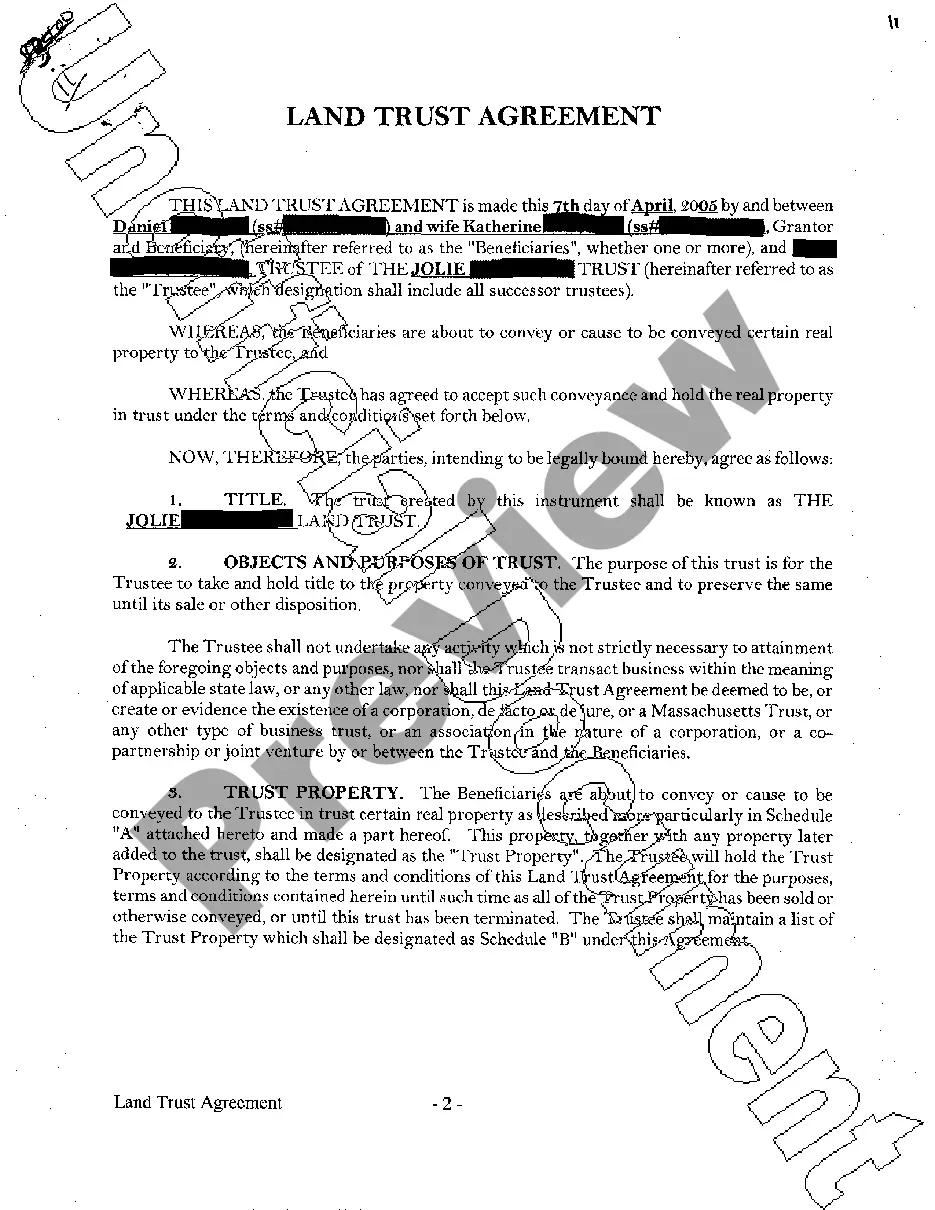
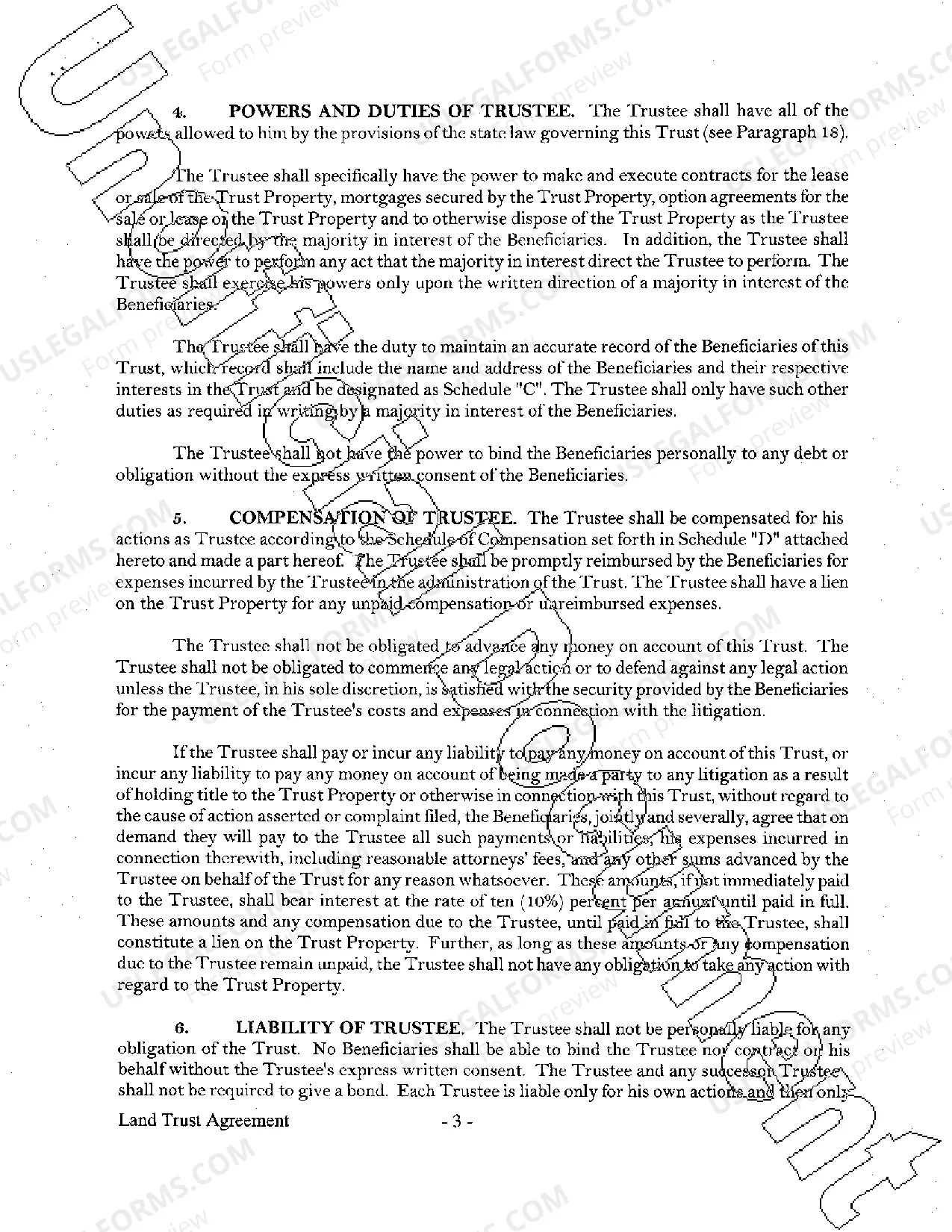
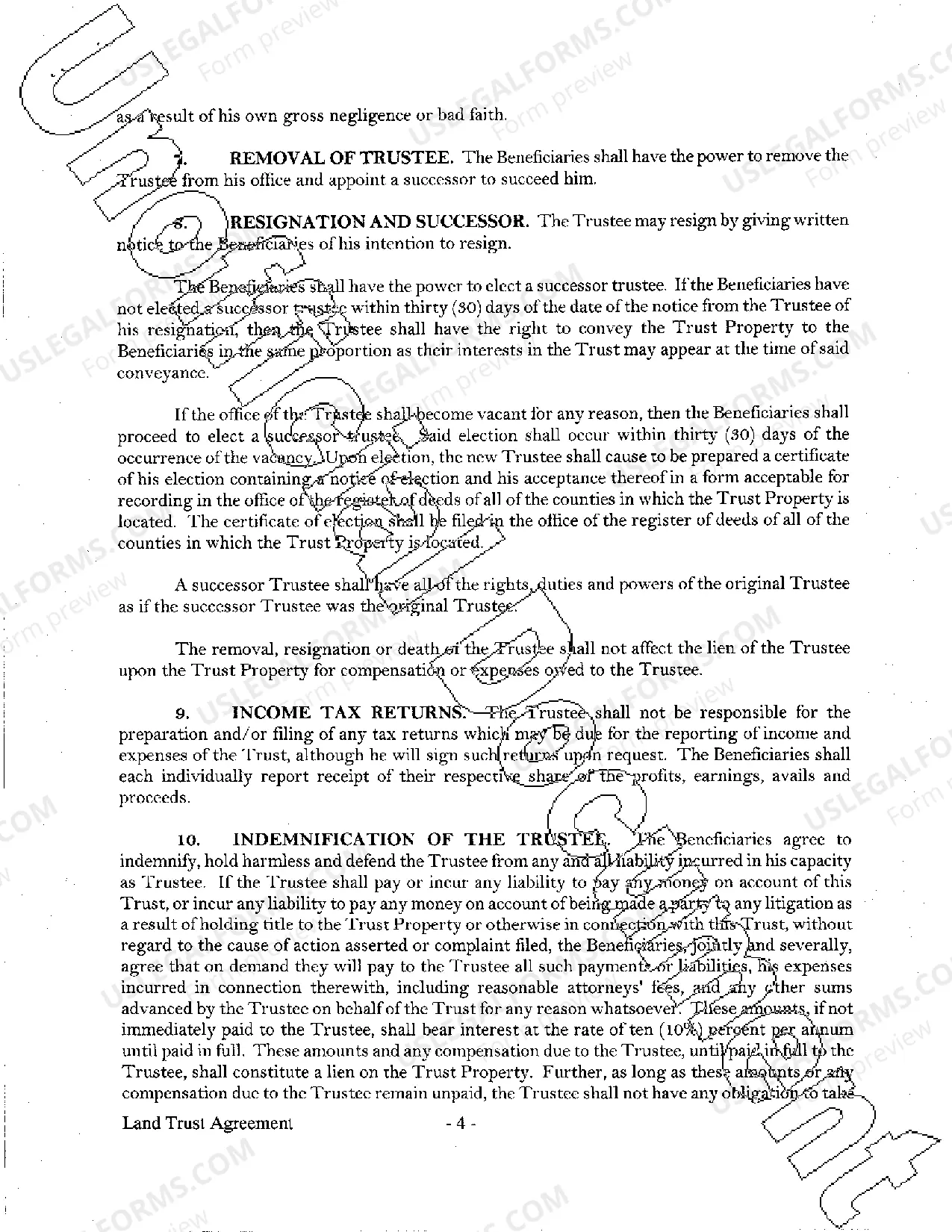
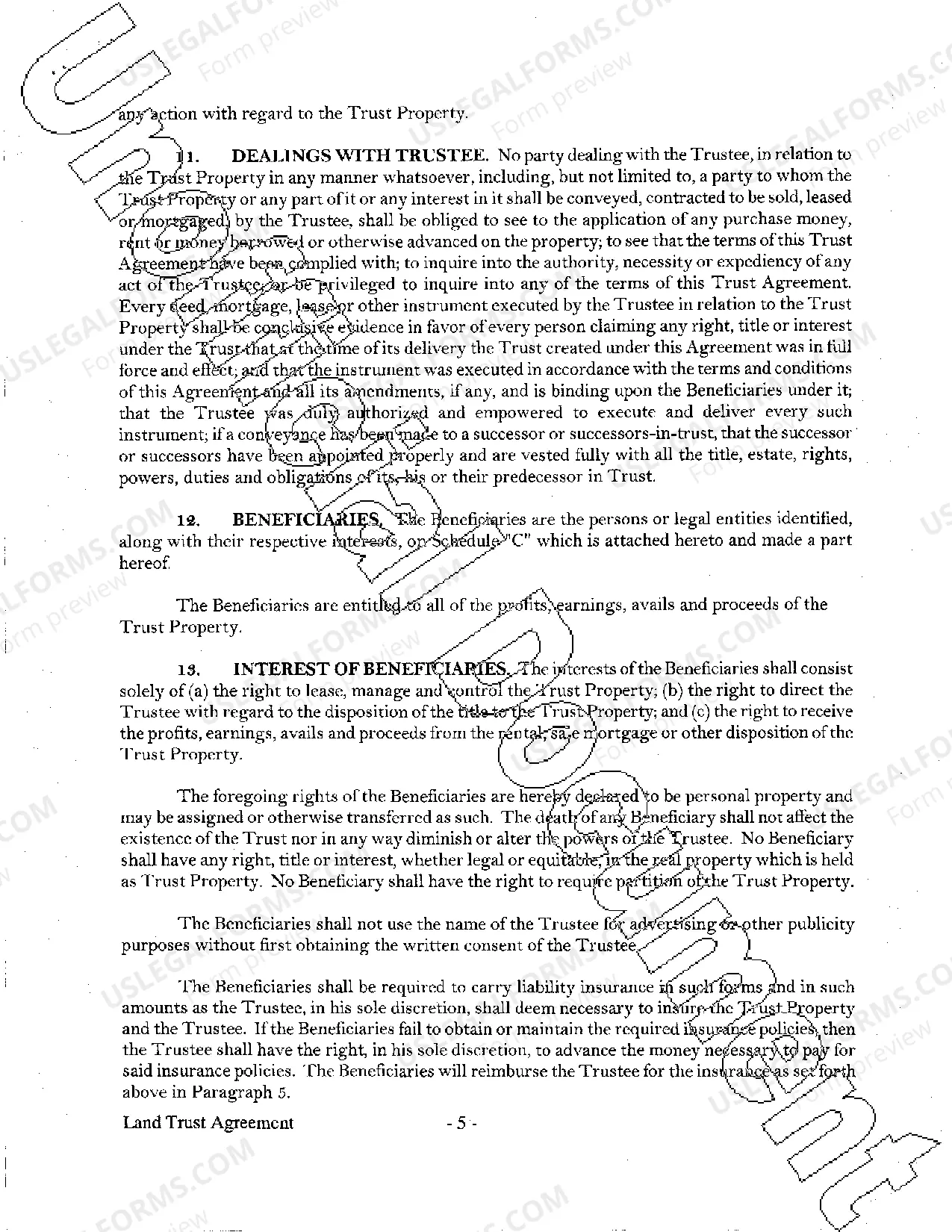
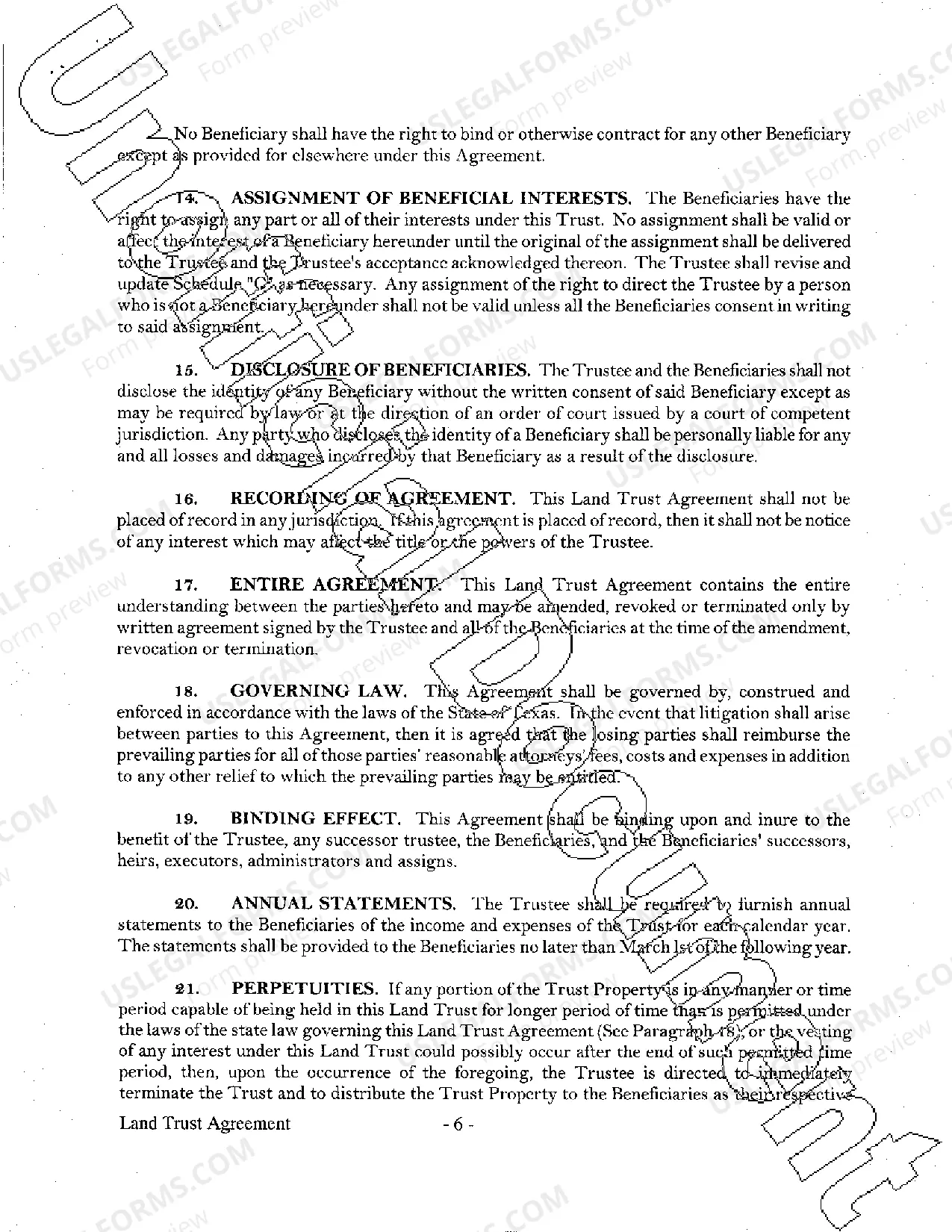
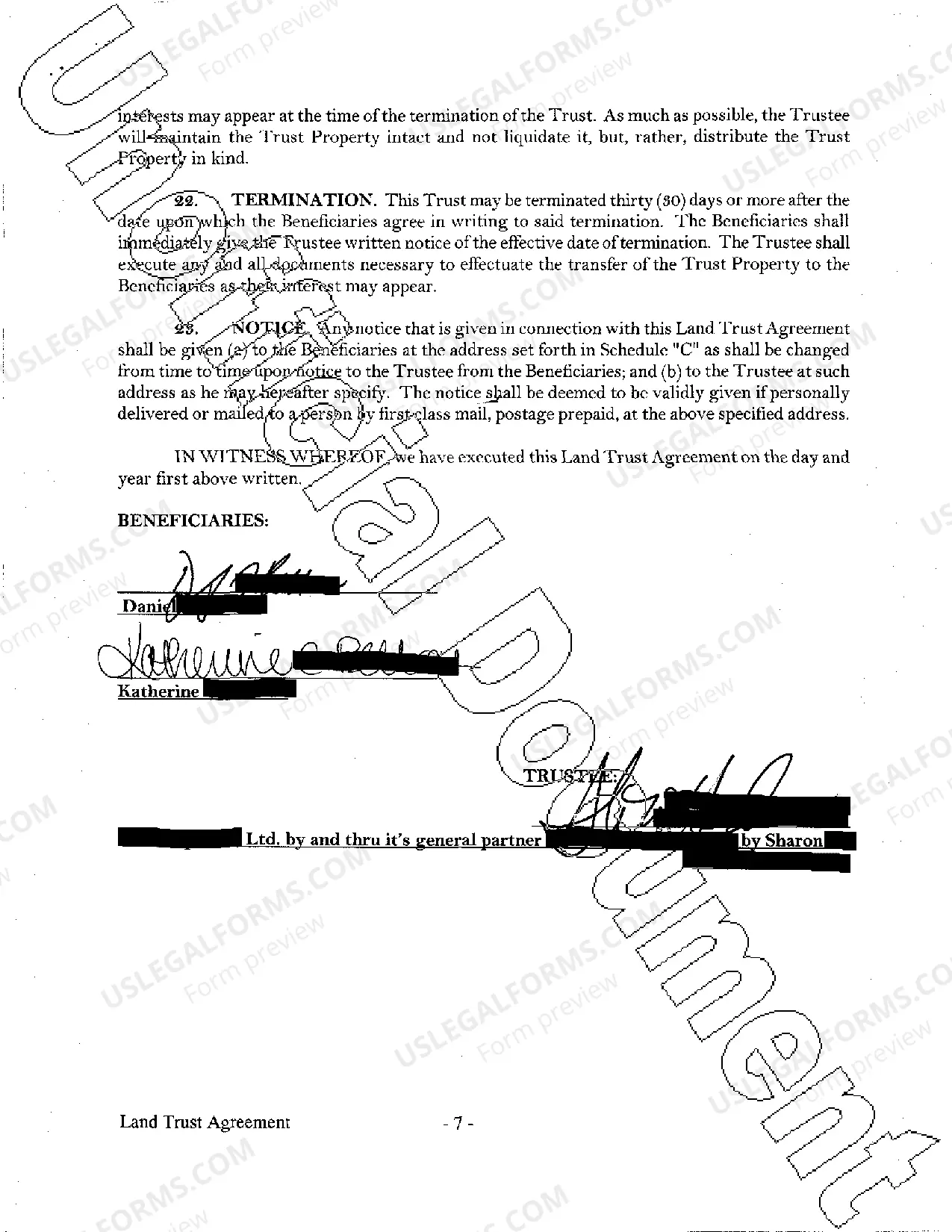
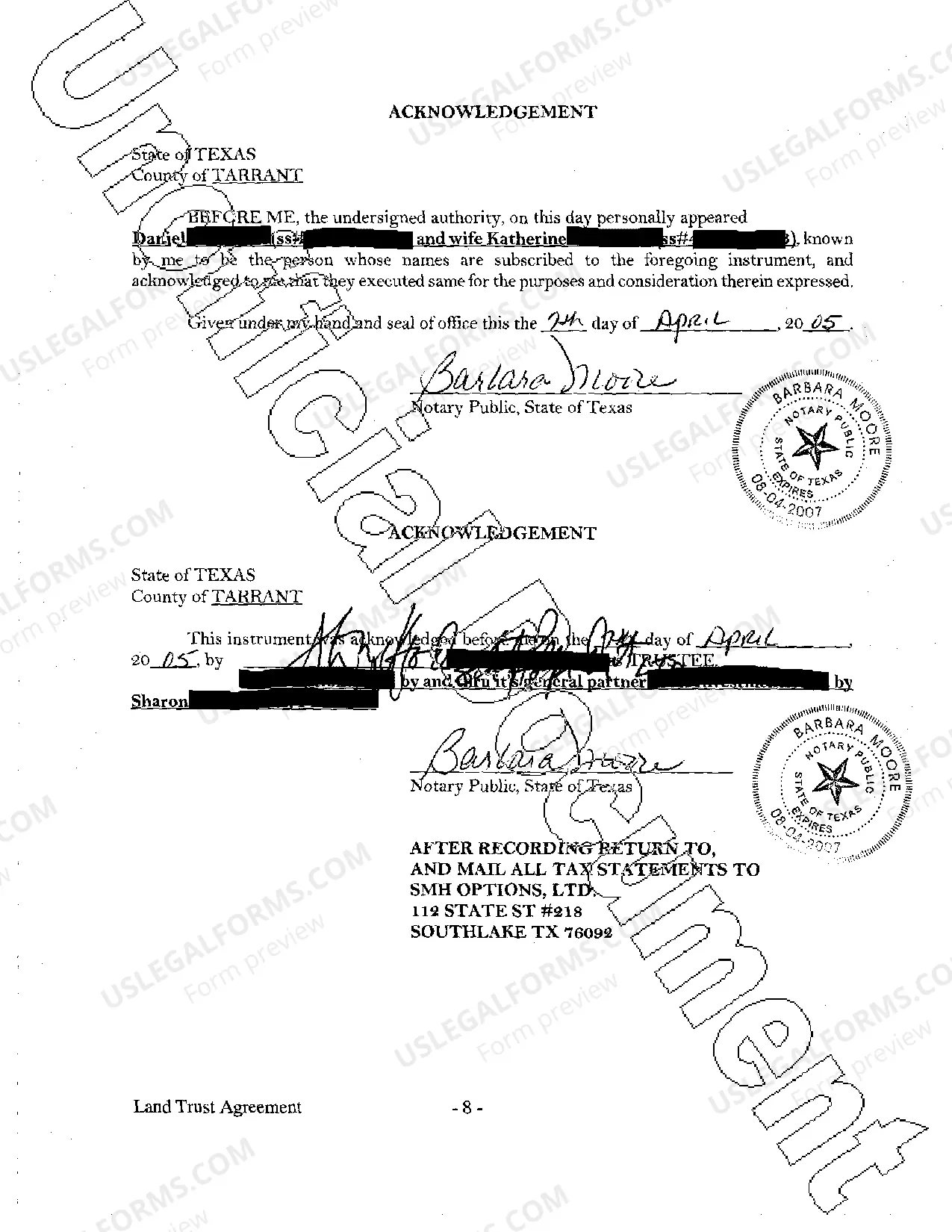
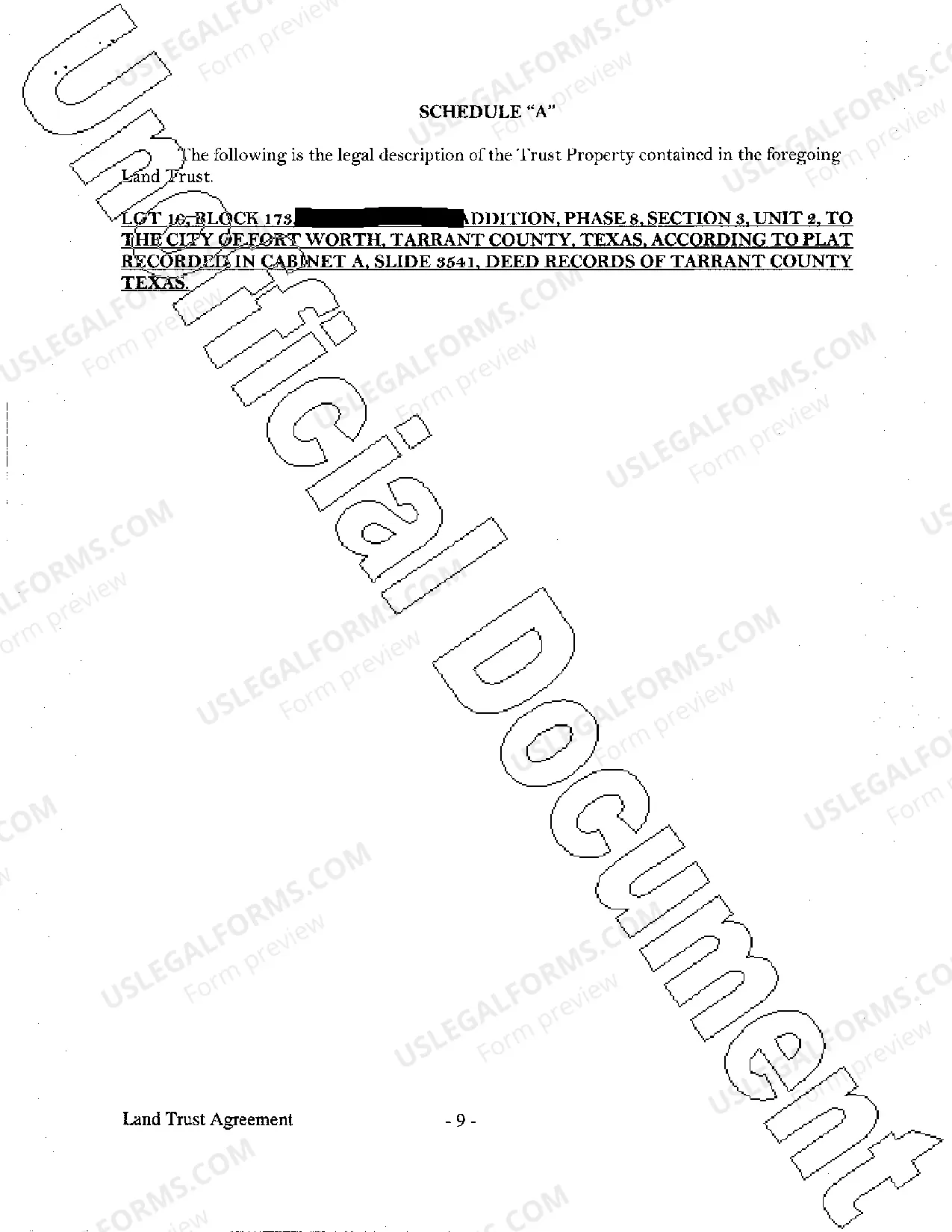

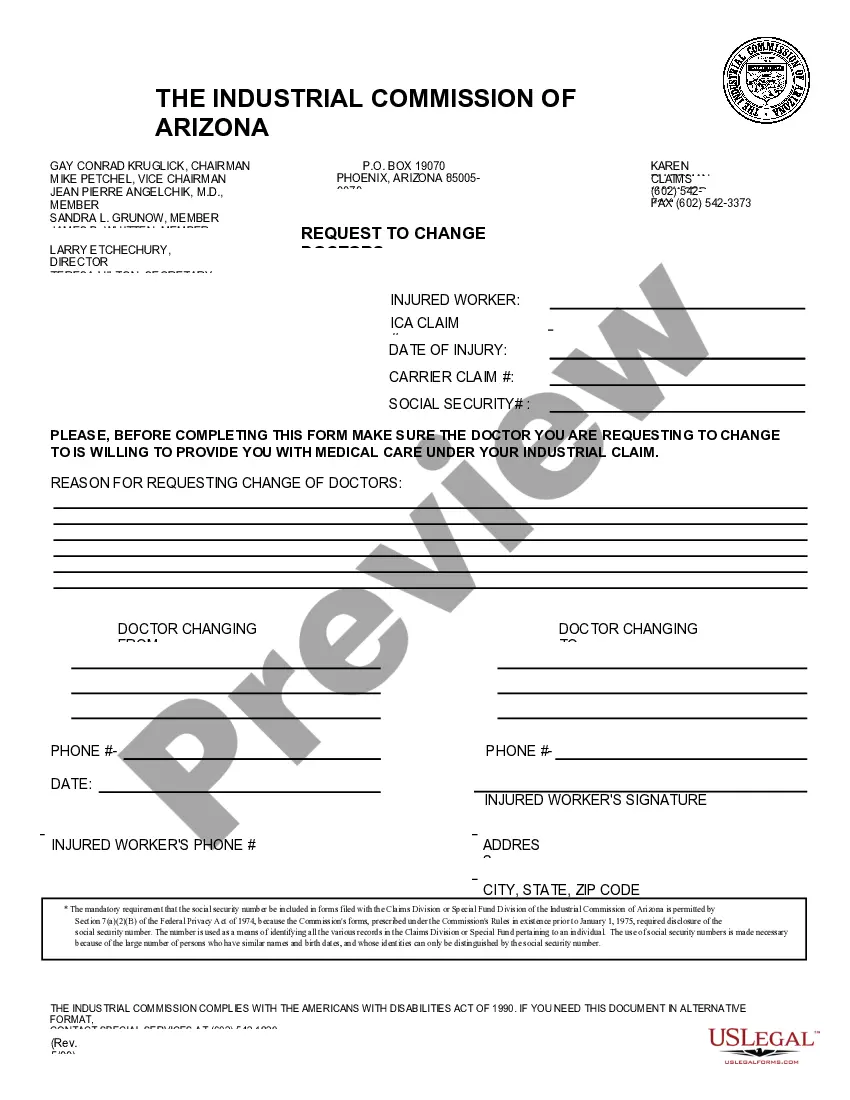
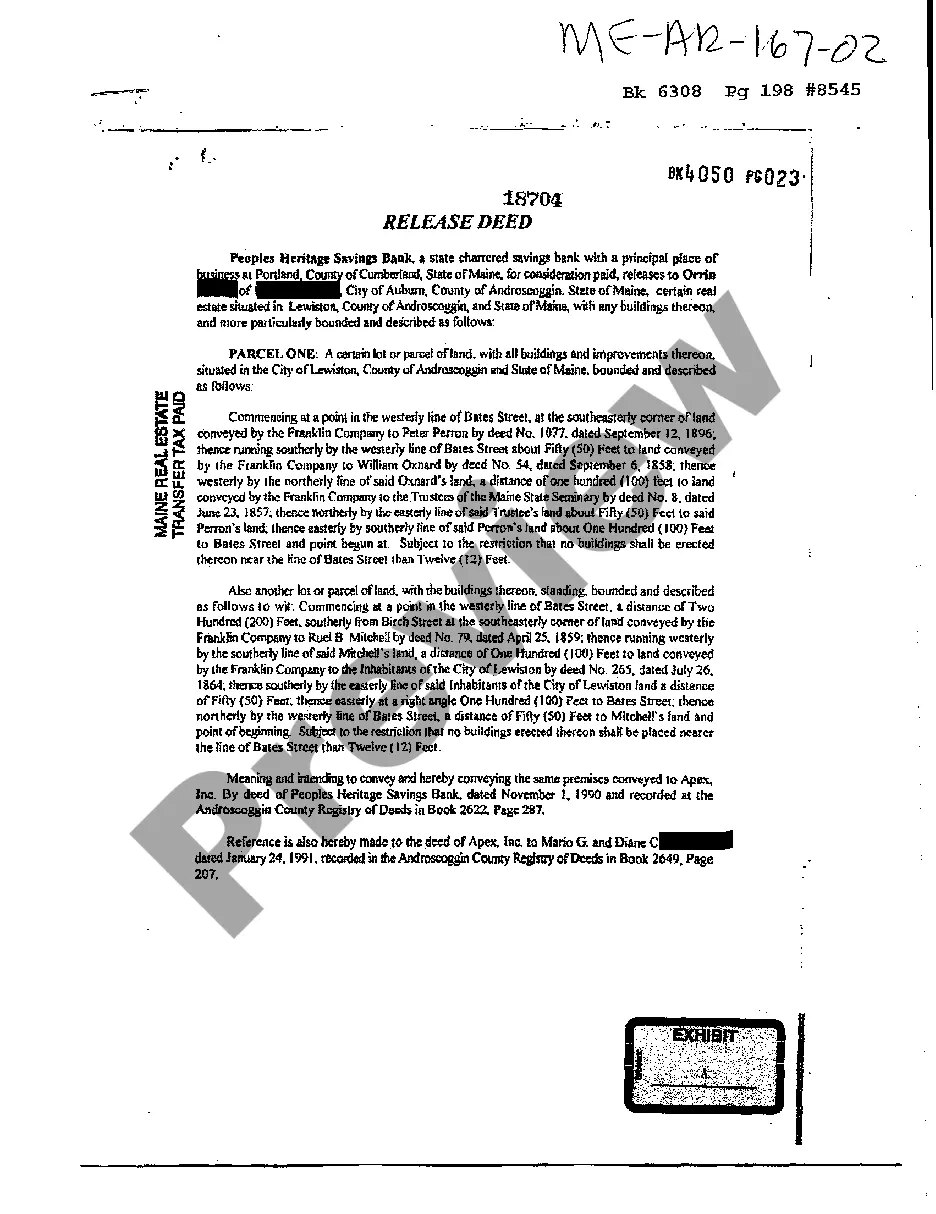
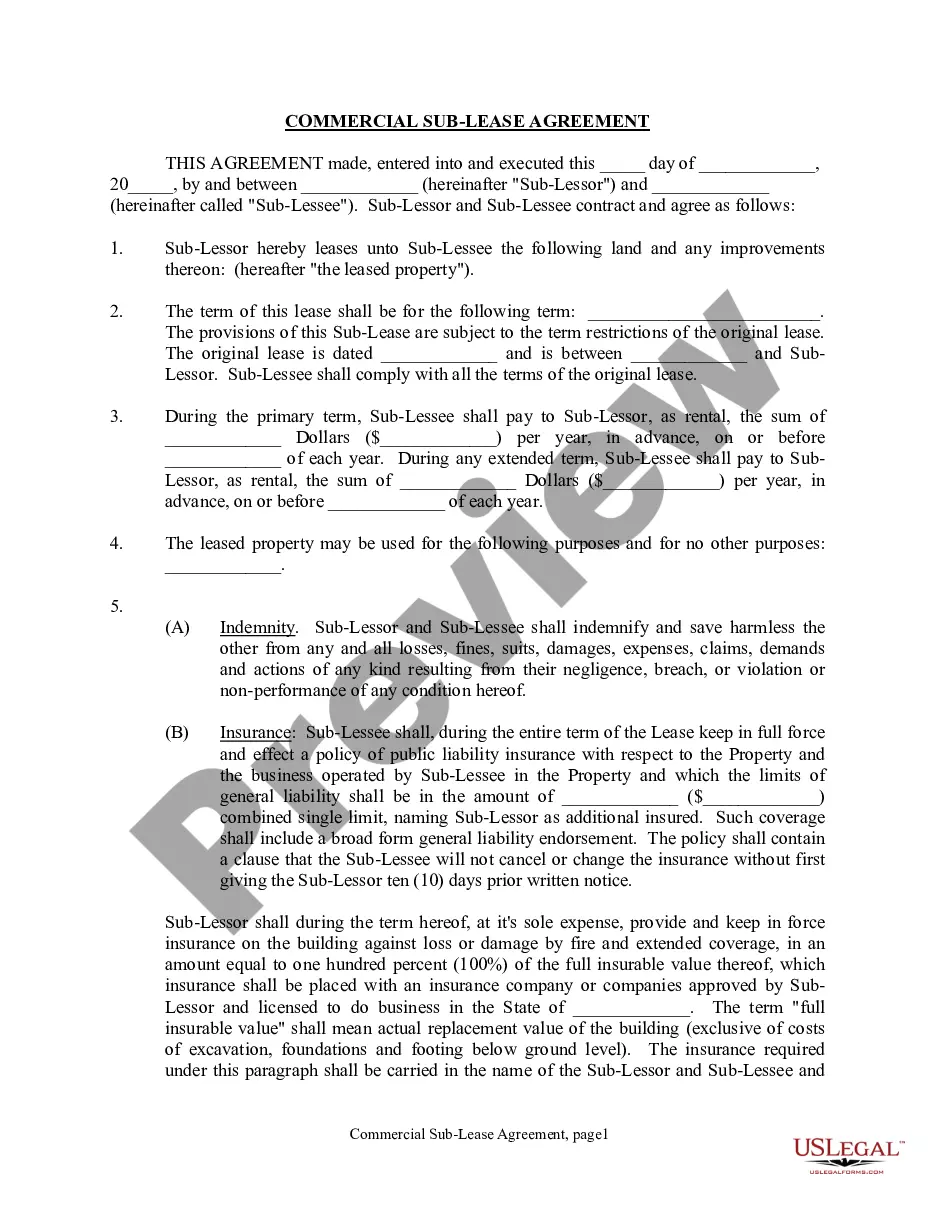
How to fill out Texas Land Trust Agreement?
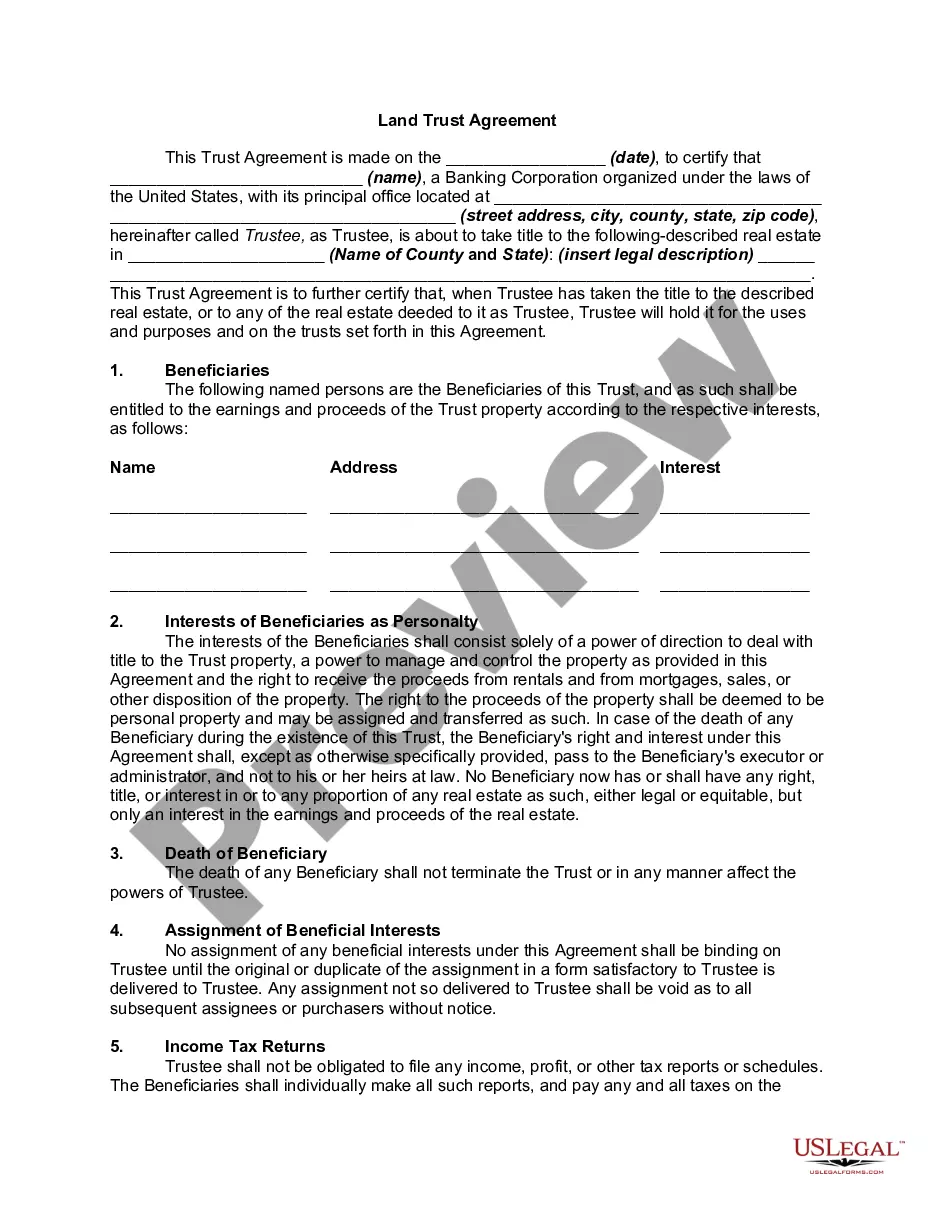
The Land Trust Model For Property you observe on this webpage is a versatile official outline crafted by skilled attorneys in accordance with national and regional regulations.
For over 25 years, US Legal Forms has supplied individuals, enterprises, and legal experts with more than 85,000 authenticated, state-specific documents for any commercial and personal circumstance. It’s the quickest, simplest, and most reliable method to acquire the forms you need, as the service ensures bank-level data protection and anti-malware safeguards.
Select the format you desire for your Land Trust Model For Property (PDF, DOCX, RTF) and store the document on your device.
- Search for the document you require and verify it.
- Browse through the example you sought and preview it or review the document description to confirm it meets your needs. If it does not, use the search bar to locate the appropriate one. Click Buy Now once you have discovered the template you need.
- Register and sign in.
- Choose the pricing plan that fits your needs and create an account. Use PayPal or a credit card to make an immediate payment. If you already possess an account, Log In and verify your subscription to continue.
- Obtain the fillable document.
Form popularity
FAQ
The 2 year rule for trusts usually refers to the time frame that allows individuals to sell trust assets without incurring additional tax consequences. This rule helps avoid complications related to capital gains tax on the sale of property within two years of the trust's establishment. It's important to plan accordingly, as exceptions may apply. To better understand how this rule affects your situation, consider consulting resources like US Legal Forms for guidance and examples of land trusts.
Writing up a land trust begins with creating a detailed trust document that specifies the trustee's duties and the beneficiaries' rights. Clearly outline the terms of the trust, including provisions for management and distribution. Make sure to comply with state regulations, as they vary by location. To simplify the process, you can utilize US Legal Forms for appropriate templates that serve as a solid land trust example for land.
To put your land into a trust, start by choosing the right type of land trust that fits your needs. Next, draft a trust agreement, where you'll designate a trustee and outline the terms of the trust. After that, transfer ownership of the land to the trust, which often requires recording a deed with your local government. For a clear land trust example for land, consider using US Legal Forms to access customizable templates.
Putting your property into a trust can be a wise decision, especially for estate planning and asset protection. It can help avoid probate, maintain privacy, and provide clear instructions for property distribution upon death. However, it's important to weigh the benefits against any potential drawbacks, such as costs or complexity. Many individuals find that using resources from uslegalforms provides valuable insights into whether a land trust example for land fits their specific needs.
When you put land in a trust, the trust becomes the legal owner of the property, but you can still serve as the trustee and maintain control over it. This action offers various advantages, such as avoiding probate and ensuring privacy, which may be particularly appealing for estate planning. If you decide to sell or refinance the property, there are procedures to follow, but these are often straightforward if properly documented. Using a land trust example for land can clarify these processes for newcomers.
Land trusts operate by allowing landowners to transfer their property into a trust for various purposes, such as asset protection or estate planning. The trust holds the title to the property, while the landowner can still use and enjoy the land. This arrangement allows for better privacy and can streamline the process of passing on the property. A practical land trust example for land underscores these benefits, showcasing how landowners can retain control while securing their assets.
Placing property into a trust involves drafting a trust agreement that specifies the details of the trust. You will then need to execute a deed that conveys the property to the trust, thereby transferring ownership. It's crucial to ensure that all paperwork is completed correctly to avoid legal complications. Many look to platforms like uslegalforms for help in navigating this process, as they provide templates and resources to simplify it.
To put a piece of land into a trust, you must first create a trust document that outlines the terms and conditions of the trust. Next, you need to execute a deed that transfers ownership of the land to the trust. Be sure to follow local laws and regulations, and consider consulting with a legal professional for guidance. This process acts as a land trust example for land, effectively securing your property.
A significant disadvantage of a land trust is the potential for complications regarding property taxes and liabilities. If the trust is not managed properly, it may lead to unintended financial burdens. Always consider these factors when exploring a land trust example for land and consult with experts, like USLegalForms, to guide you through the process.
An effective land trust example for land might be a community land trust where a non-profit organization holds land to provide affordable housing options for residents. This model allows the community to control development and maintain long-term affordability. Such examples illustrate how land trusts can foster positive community outcomes.