Texas Residential Construction Contract
Description
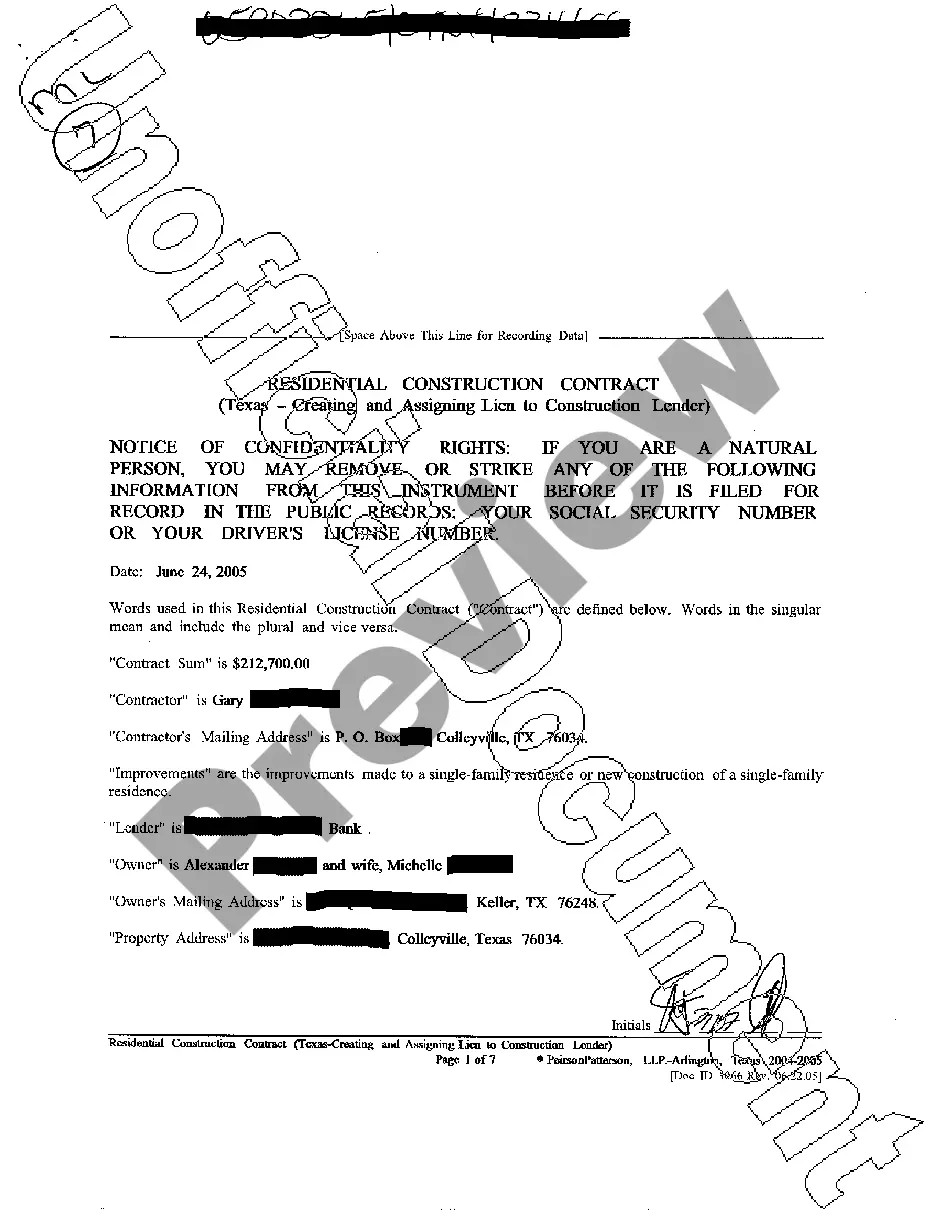
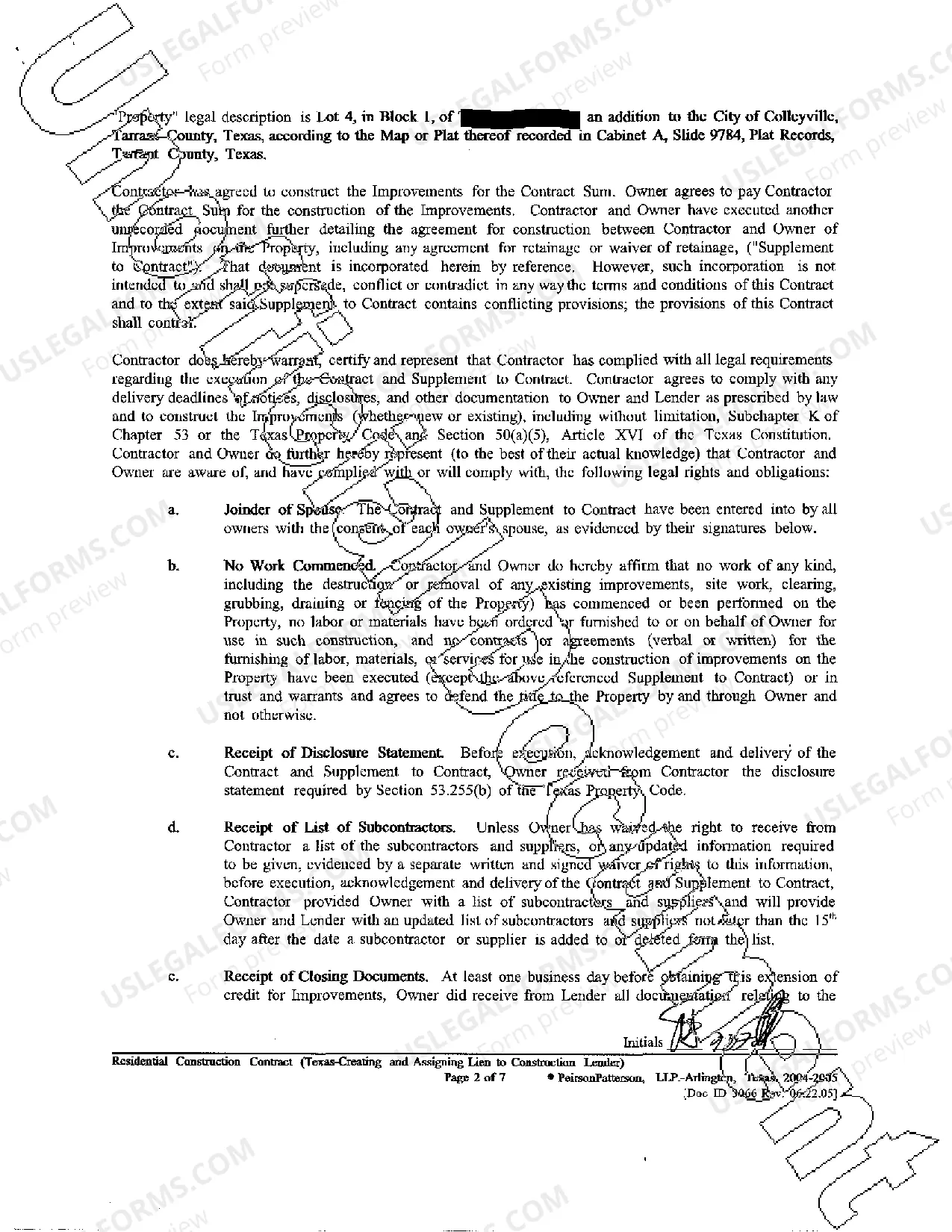
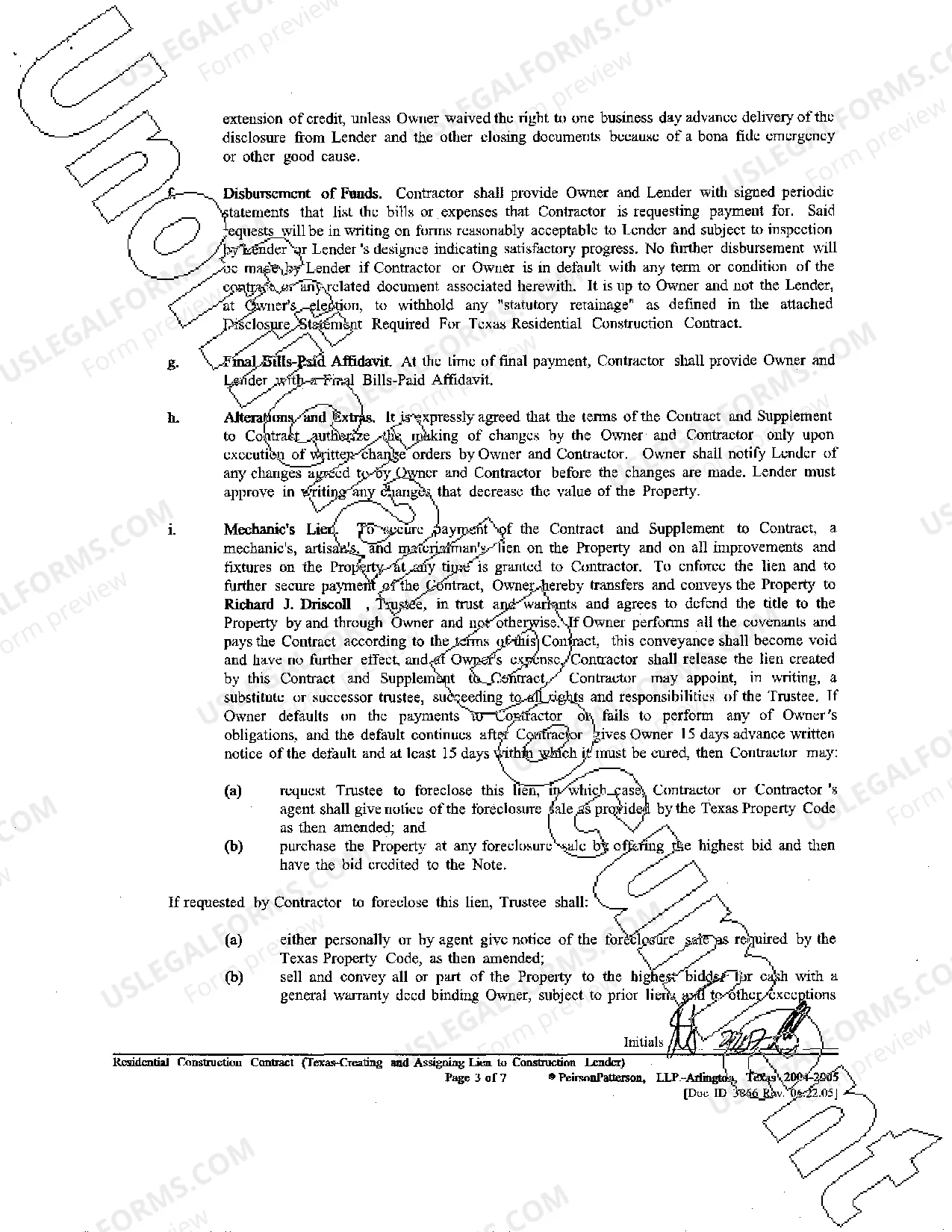
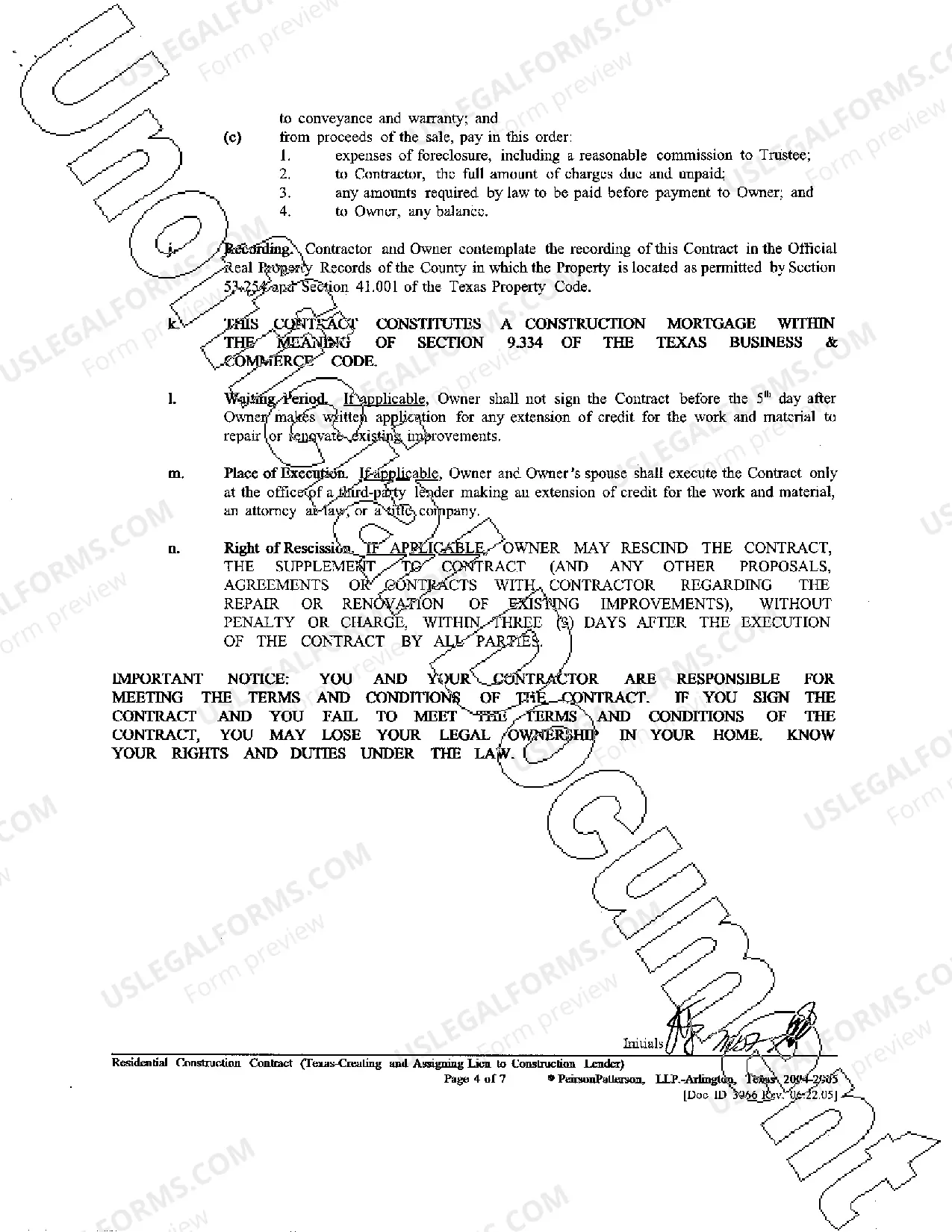
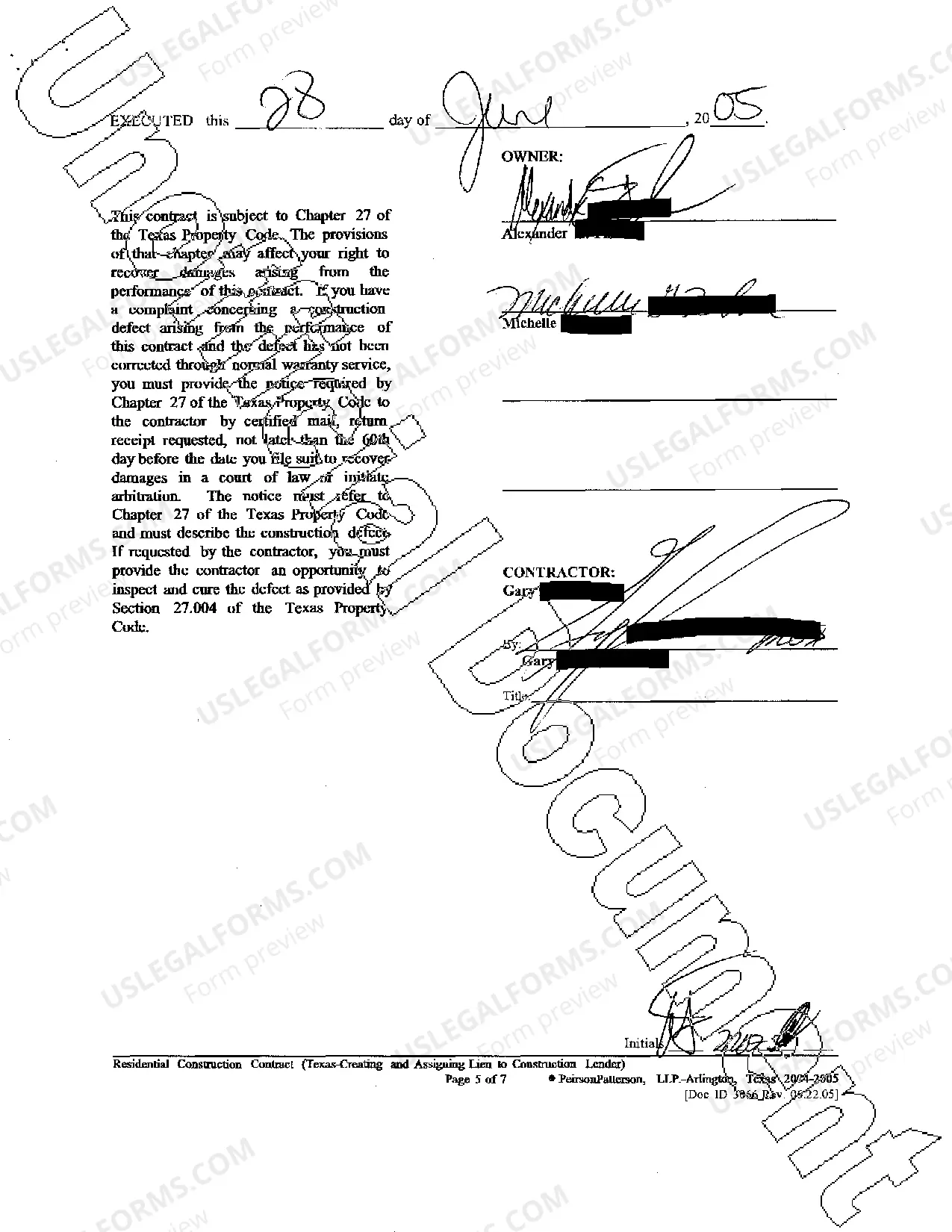
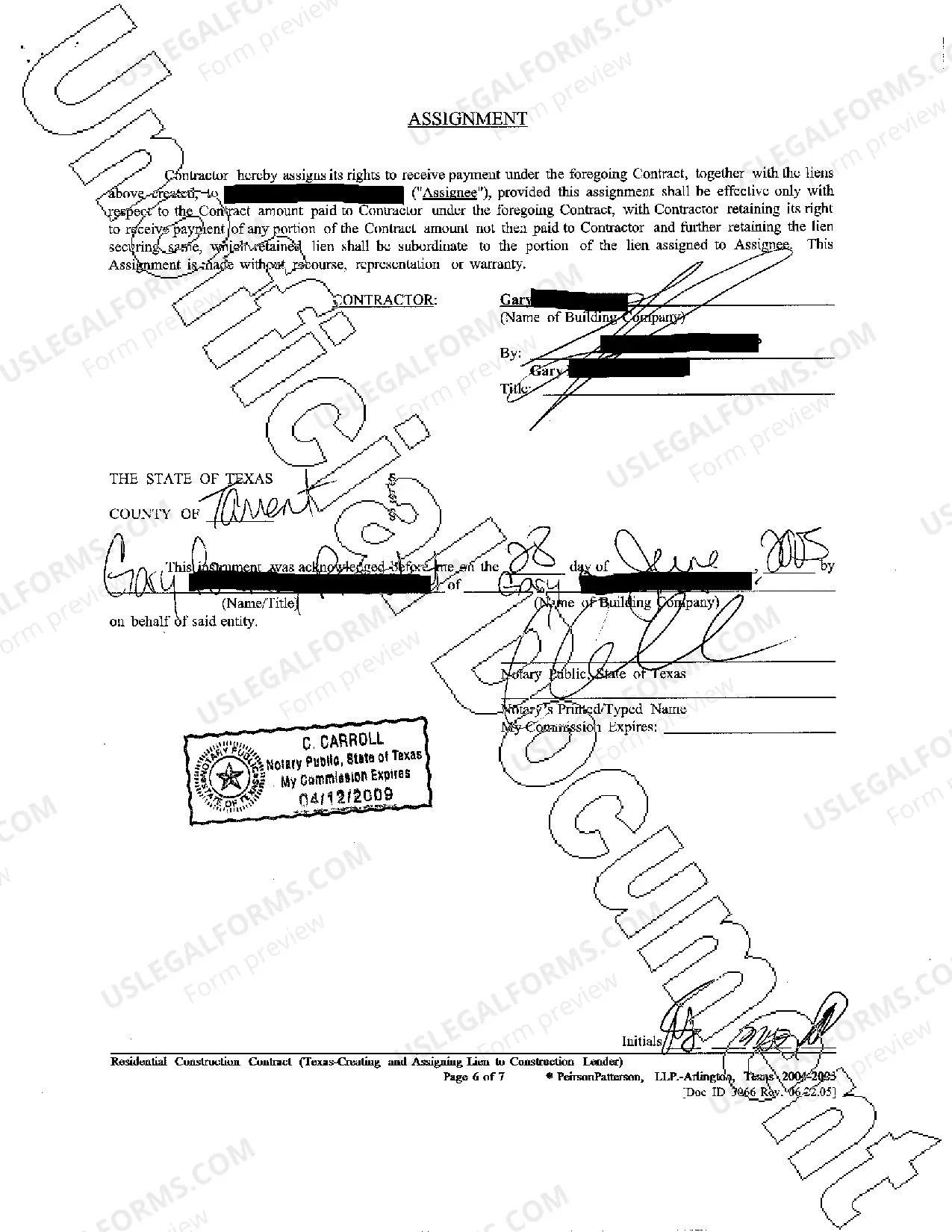
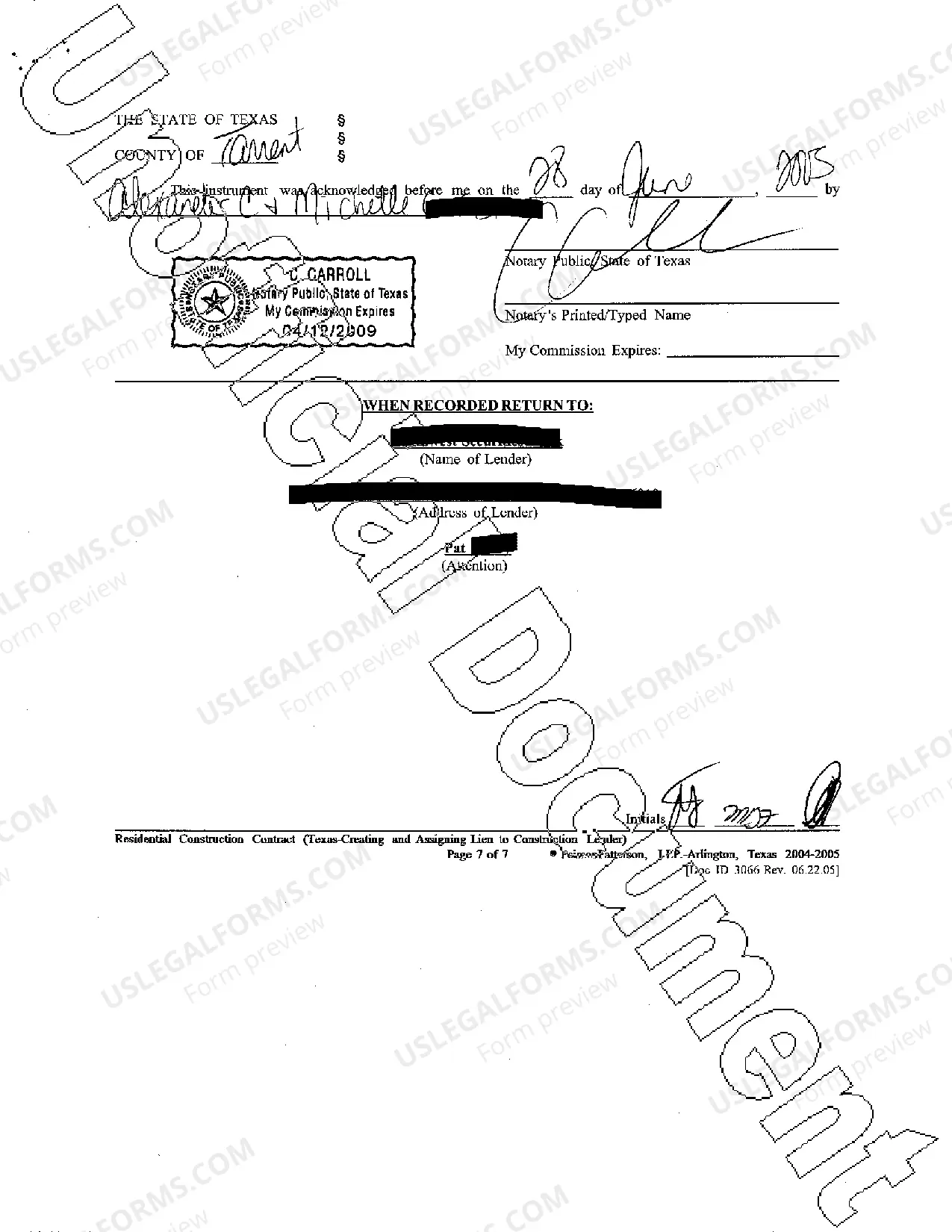
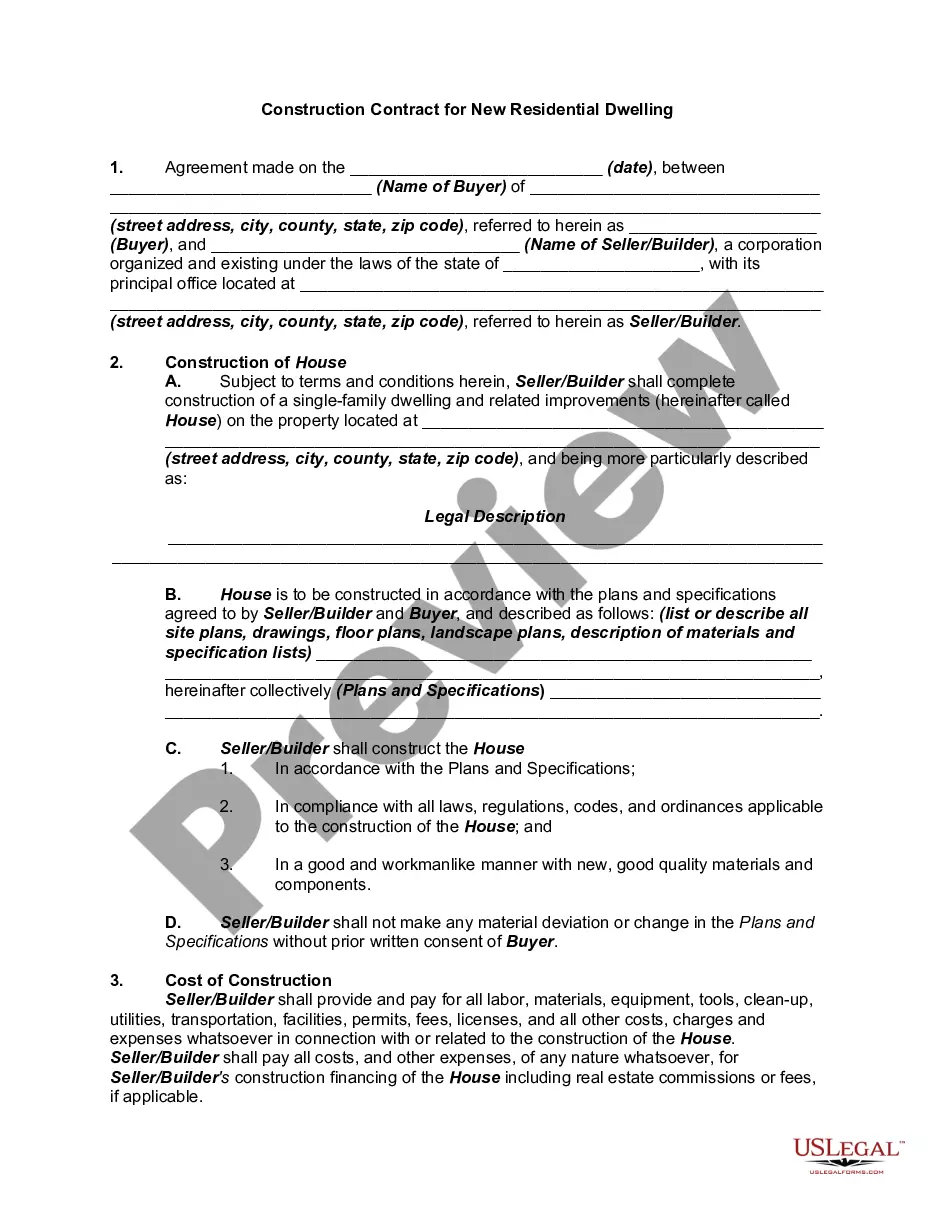








How to fill out Texas Residential Construction Contract?
Bureaucracy necessitates exactness and correctness.
If you do not manage the completion of paperwork like the Texas Residential Construction Contract on a daily basis, it could result in some confusions.
Selecting the appropriate sample from the outset will guarantee that your document submission proceeds smoothly and avert any hassles of re-sending a document or repeating the same task from the start.
Finding the suitable and current samples for your paperwork takes just a few minutes with an account at US Legal Forms. Eliminate the bureaucratic uncertainties and simplify your work with forms.
- Obtain the template using the search bar.
- Verify that the Texas Residential Construction Contract you have discovered is applicable for your state or region.
- Review the preview or explore the description containing the details on the application of the sample.
- When the result aligns with your query, click the Buy Now button.
- Choose the appropriate option from the suggested subscription plans.
- Log In to your account or create a new one.
- Finalize the transaction using a credit card or PayPal payment method.
- Save the form in the file format of your preference.
Form popularity
FAQ
To form a valid contract, five key requirements must be met: mutual agreement, capacity to contract, consideration, lawful purpose, and a clear term. Both parties should express their agreement, have the legal ability to enter into a contract, exchange something of value, and define a lawful purpose for the contract. Additionally, clarity in terms ensures no ambiguity, which is crucial in any Texas residential construction contract. For reliable templates and guidance, consider USLegalForms.
The three main requirements for any contract to be valid are offer, acceptance, and consideration. The offer outlines what one party will do, while acceptance confirms agreement to these terms. Consideration refers to the value exchanged between the parties involved. When drafting your Texas residential construction contract, ensure these elements are clearly stated to prevent disputes later.
Residential construction law in Texas encompasses regulations governing home building, renovations, and repairs. It includes requirements for licensing, permits, and contractor agreements, which are vital for protecting both homeowners and contractors. Understanding this law ensures that your Texas residential construction contract remains compliant and enforceable. Consult USLegalForms for templates that align with Texas residential construction laws.
For a contract to be legal in Texas, it must have mutual consent, a lawful object, and consideration. This means both parties must agree to the terms, the subject of the contract must be legal, and something of value must be exchanged. Ensuring these components are present is essential for any Texas residential construction contract to hold up in court. USLegalForms offers resources to help you draft contracts that meet these legal standards.
A contractor typically needs to fill out various documents, including the construction contract, any relevant permits, and insurance documents. It's essential to ensure that all paperwork complies with Texas regulations. Consider using resources like USLegalForms to find templates and ensure you have all the necessary forms completed correctly.
To fill out a contractor agreement, start by reviewing each section carefully, ensuring all necessary details about the project are included. Be specific about deadlines, payment schedules, and liabilities. Platforms like USLegalForms offer helpful templates that guide you through the process of completing the agreement effectively.
To write a construction contract agreement, begin by stating the parties involved and a detailed project description. Include payment methods, timelines, and provisions for making changes. Keeping the language straightforward helps both parties understand their responsibilities in the Texas residential construction contract.
Filling out a contractor agreement involves entering specific details such as the scope of work, start and end dates, and payment terms. Ensure you specify obligations and rights for both parties clearly. You can utilize resources like USLegalForms to access templates that simplify this process and ensure compliance with Texas laws.
The five essential elements of a Texas residential construction contract include offer, acceptance, consideration, the legal purpose of the contract, and the capacity of the parties to contract. Each component plays a vital role in ensuring the contract is enforceable and protects both parties' interests. Understanding these elements helps you create a strong agreement.
A simple contract agreement for a Texas residential construction project should cover essential details such as the names of the parties involved, the project description, and the schedule for completion. Clearly state payment terms and conditions, as well as any warranties or guarantees. By being concise and thorough, you create a solid foundation for the agreement.
