Texas Motion To Dismiss Form For Summary Judgment
Description
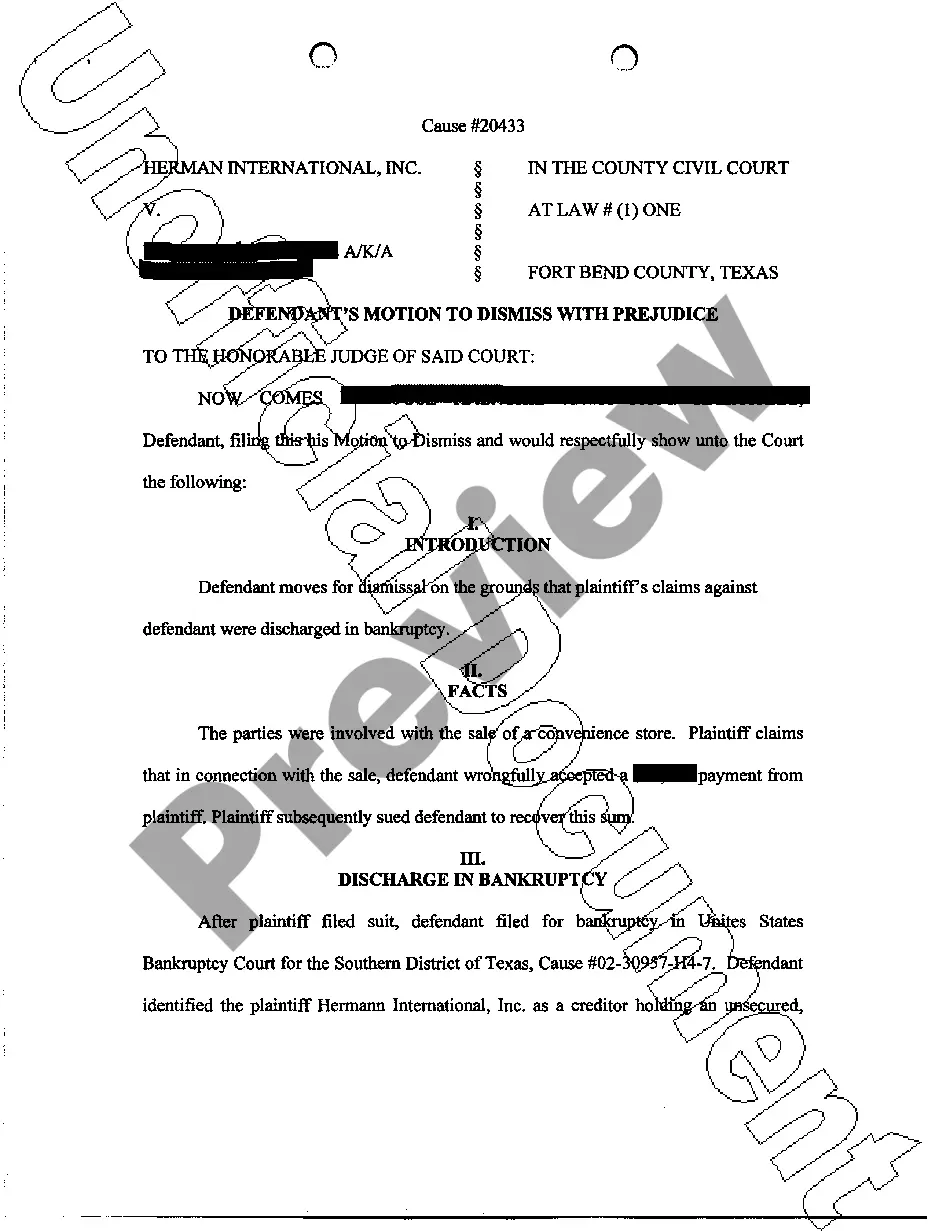
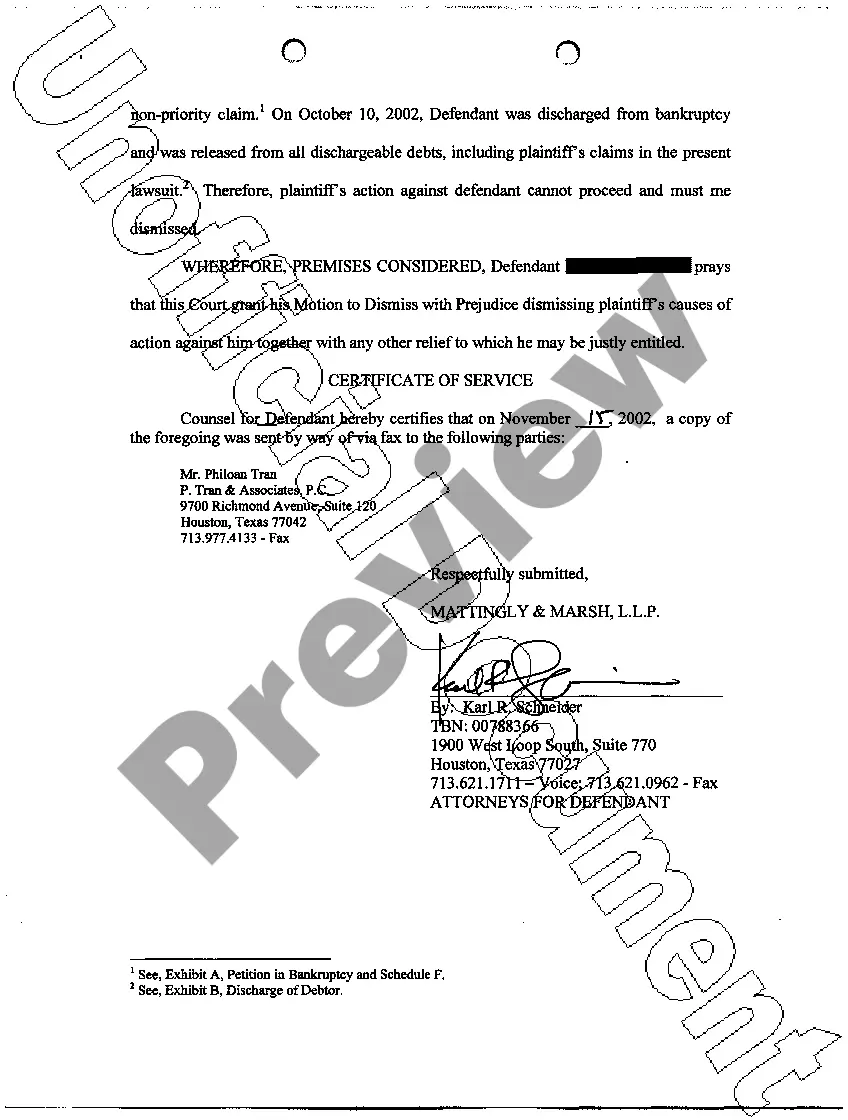
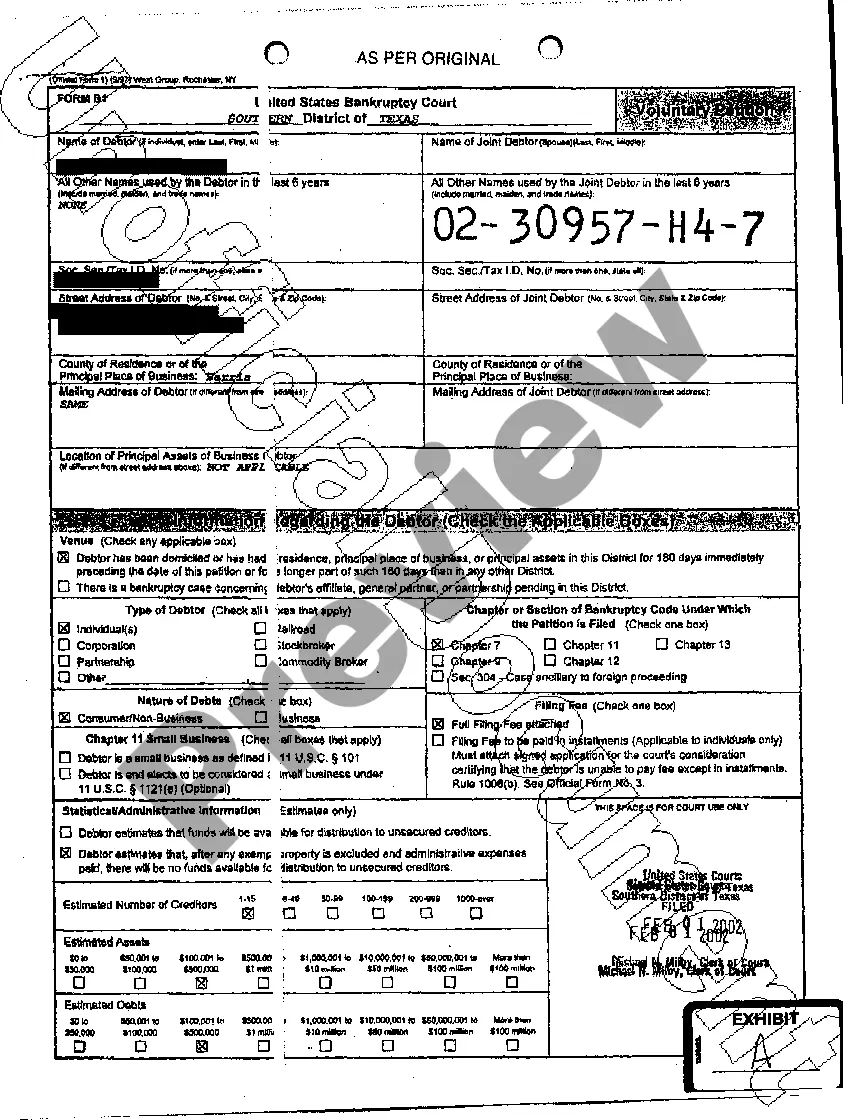
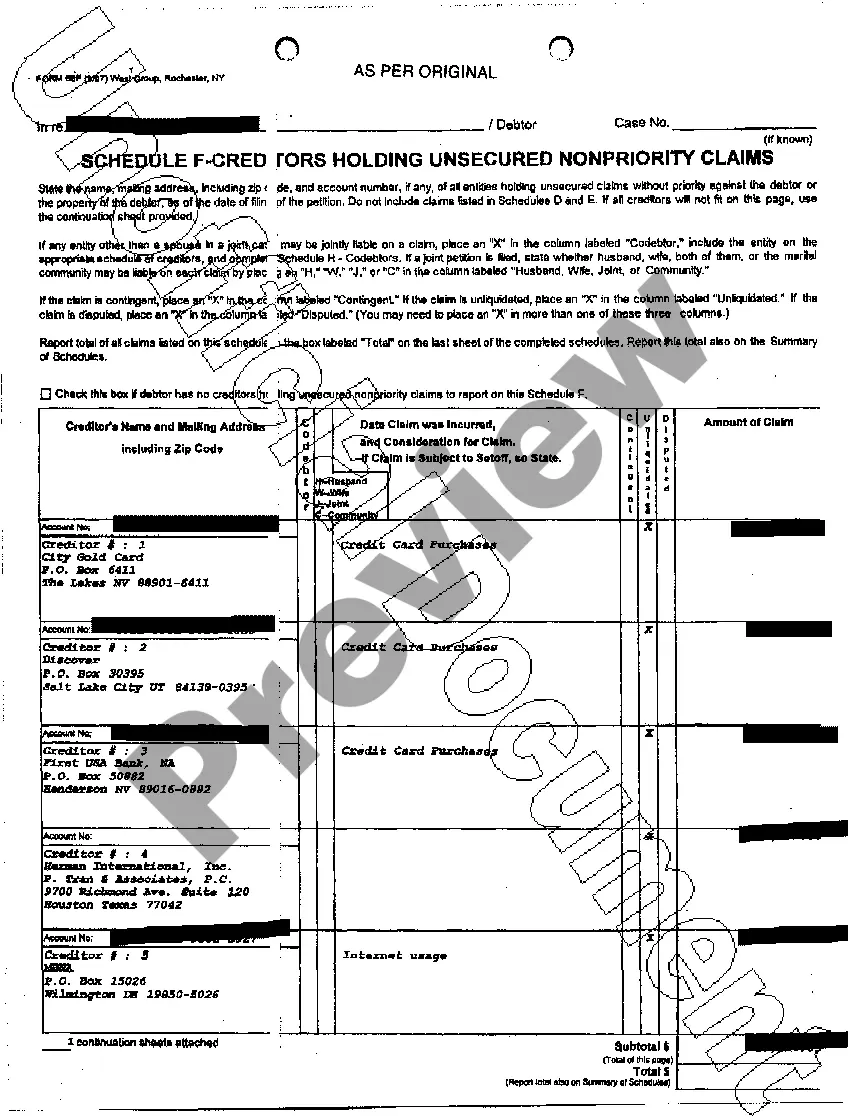







How to fill out Texas Defendant's Motion To Dismiss With Prejudice?
The Texas Motion To Dismiss Form For Summary Judgment you see on this page is a reusable legal template drafted by professional lawyers in line with federal and local laws. For more than 25 years, US Legal Forms has provided people, companies, and attorneys with more than 85,000 verified, state-specific forms for any business and personal occasion. It’s the quickest, simplest and most reliable way to obtain the paperwork you need, as the service guarantees bank-level data security and anti-malware protection.
Getting this Texas Motion To Dismiss Form For Summary Judgment will take you just a few simple steps:
- Look for the document you need and review it. Look through the sample you searched and preview it or check the form description to confirm it fits your needs. If it does not, make use of the search option to find the appropriate one. Click Buy Now once you have located the template you need.
- Subscribe and log in. Choose the pricing plan that suits you and register for an account. Use PayPal or a credit card to make a quick payment. If you already have an account, log in and check your subscription to continue.
- Acquire the fillable template. Choose the format you want for your Texas Motion To Dismiss Form For Summary Judgment (PDF, DOCX, RTF) and download the sample on your device.
- Fill out and sign the paperwork. Print out the template to complete it manually. Alternatively, use an online multi-functional PDF editor to quickly and precisely fill out and sign your form with a legally-binding] {electronic signature.
- Download your paperwork again. Utilize the same document again whenever needed. Open the My Forms tab in your profile to redownload any previously downloaded forms.
Sign up for US Legal Forms to have verified legal templates for all of life’s circumstances at your disposal.
Form popularity
FAQ
Permissive appeal is an option. Can get mandamus to order trial court to rule but generally not how to rule. Generally, courts do not allow mandamus relief to review the denial of a summary judgment motion. The Texas Supreme Court granted mandamus review to reverse a trial court's denial of a summary judgment.
Likewise, a judge can dismiss the case if they find no legal basis for the charge, if the defendant's rights have been violated, or if the state has failed to prove its case. Judges can dismiss a case either on their own motion or on the motion of the defendant.
The motion for summary judgment shall state the specific grounds therefor. Except on leave of court, with notice to opposing counsel, the motion and any supporting affidavits shall be filed and served at least twenty-one days before the time specified for hearing.
In Texas state court, there are two types of motions for summary judgment: (1) a traditional motion for summary judgment, and (2) a no-evidence motion for summary judgment. A traditional motion argues that the non-movant cannot recover on a claim as a matter of law.
3 Time for Motion and Ruling. A motion to dismiss must be: (a) filed within 60 days after the first pleading containing the challenged cause of action is served on the movant; (b) filed at least 21 days before the motion is heard; and (c) granted or denied within 45 days after the motion is filed.