Motion To Stay Form Texas For Discovery
Description
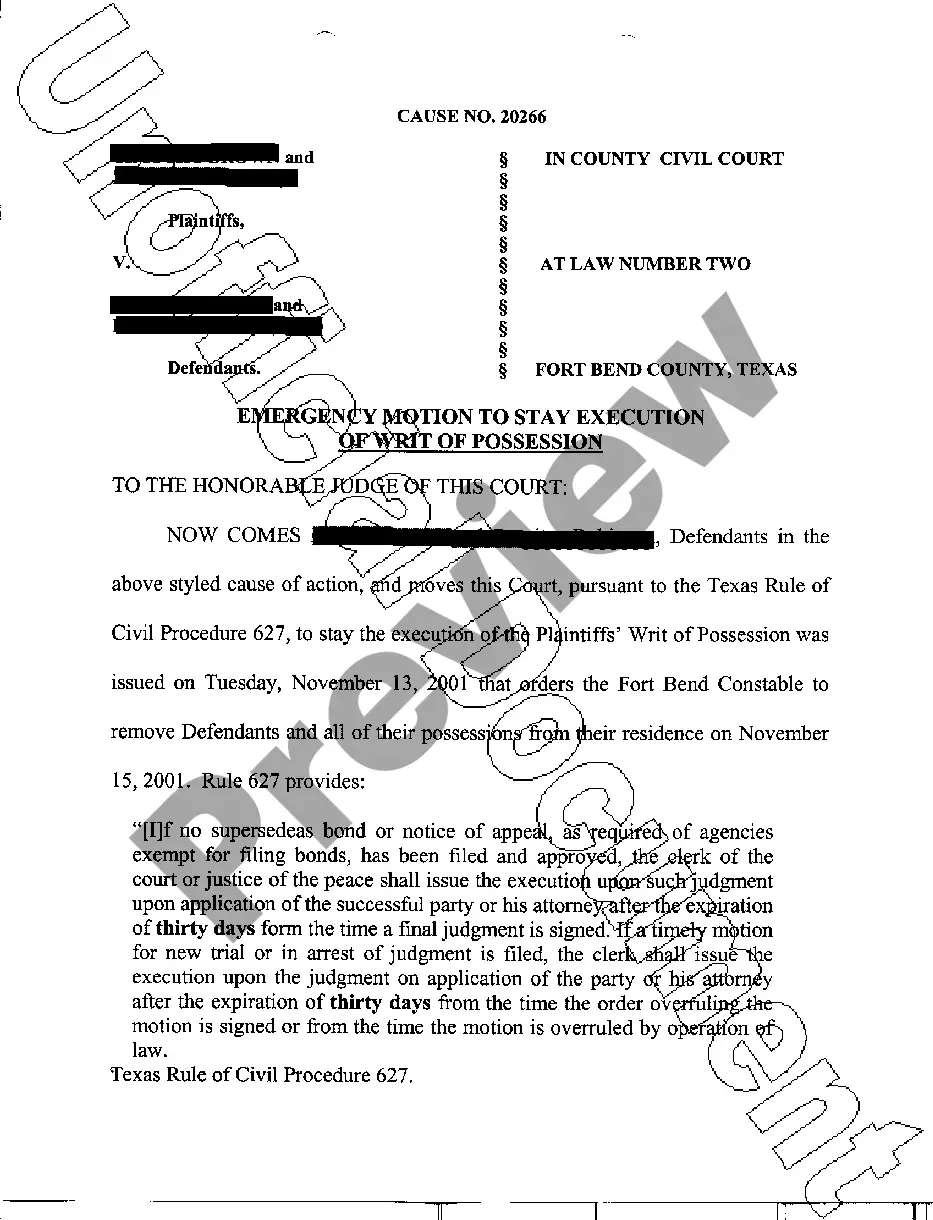
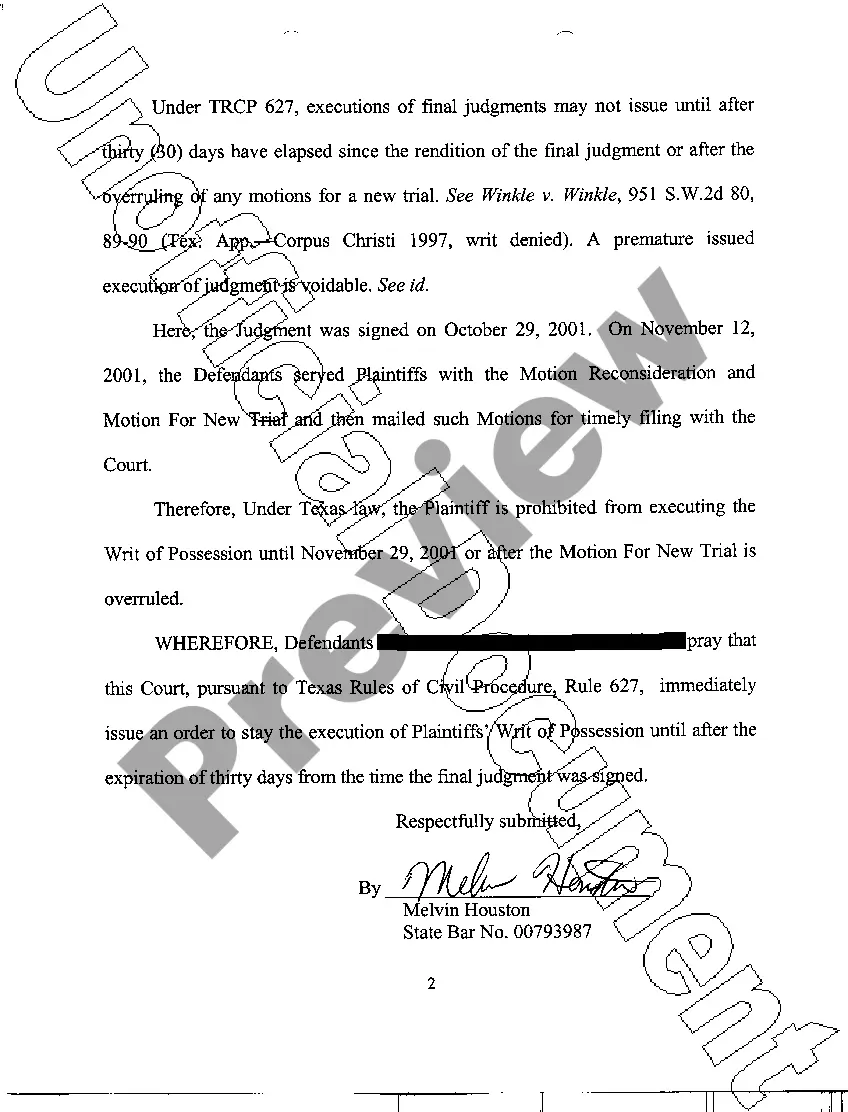
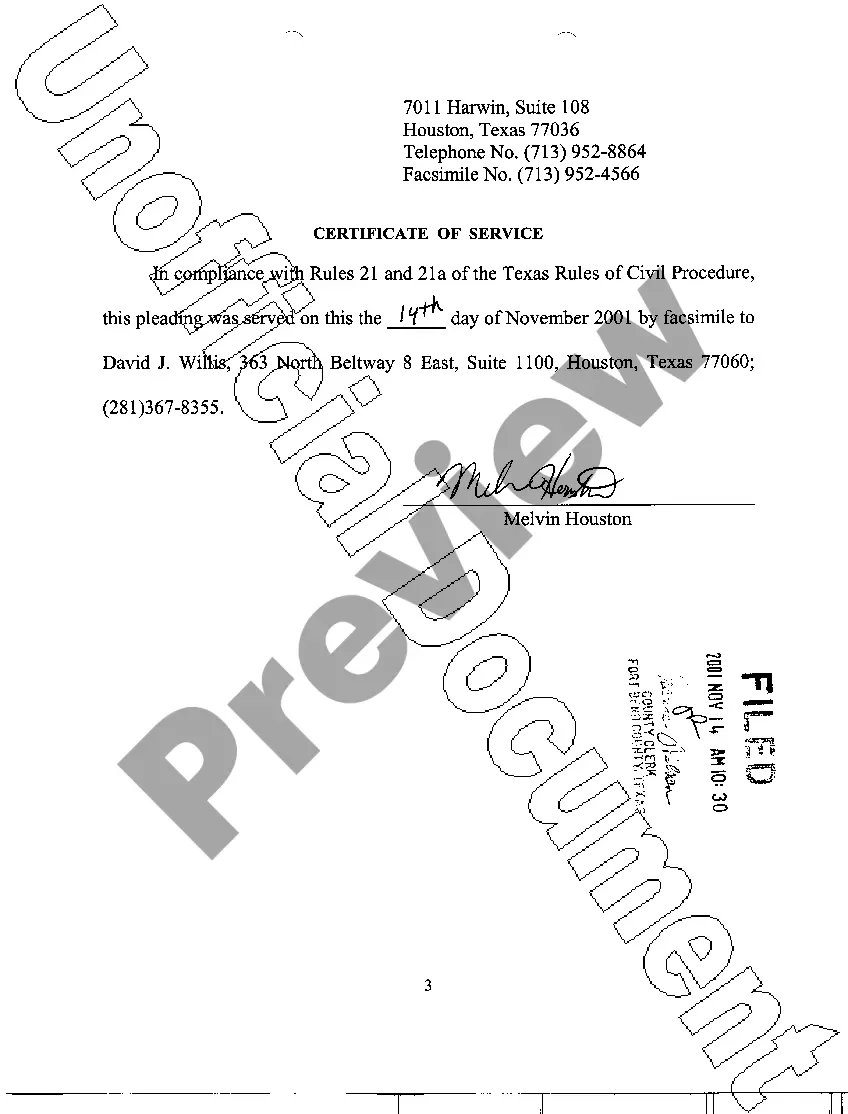







How to fill out Texas Emergency Motion To Stay Execution?
Acquiring a reliable source for the most up-to-date and suitable legal templates is half the challenge of managing bureaucracy. Identifying the correct legal documents demands precision and meticulousness, which clarifies why it is crucial to obtain samples of the Motion To Stay Form Texas For Discovery exclusively from trustworthy providers, such as US Legal Forms. An incorrect template will squander your time and hinder the matter at hand. With US Legal Forms, there is little to worry about. You can access and review all the information pertaining to the document’s applicability and significance for your circumstances and in your state or locality.
Follow these steps to finalize your Motion To Stay Form Texas For Discovery.
Eliminate the hassle that comes with your legal paperwork. Explore the vast US Legal Forms library to find legal templates, assess their applicability to your situation, and download them instantly.
- Utilize the library navigation or search bar to locate your template.
- Examine the form’s description to determine if it meets the specifications of your state and county.
- View the form preview, if available, to ensure it is the correct form you need.
- Continue your search and seek the appropriate template if the Motion To Stay Form Texas For Discovery does not fulfill your criteria.
- Once you are confident about the form’s relevance, download it.
- If you are a registered user, click Log in to verify and access your chosen forms in My documents.
- If you do not yet have an account, click Buy now to purchase the form.
- Choose the pricing plan that suits your needs.
- Proceed with the registration to complete your transaction.
- Complete your purchase by selecting a payment method (credit card or PayPal).
- Choose the document format for downloading Motion To Stay Form Texas For Discovery.
- Once you have the form on your device, you may edit it or print it and complete it manually.
Form popularity
FAQ
To file a motion for discovery in Texas, you must first prepare the Motion to Stay Form Texas for Discovery. This form outlines your request to delay discovery proceedings while the court considers your motion. After completing the form, file it with the court where your case is pending and serve a copy to the opposing party. It is essential to follow the local rules and procedures, as they may vary by jurisdiction, to ensure your motion is processed correctly.
Upon receipt of a motion for a protective order, the Court may issue a temporary stay of discovery pending resolution of the motion. However, a party's diligence in seeking relief is a principal factor in the decision whether to grant a stay.
You only need to sign and deliver the discovery request to the other party or the other party's attorney. If you are serving a discovery request on a non-party, then the request must be filed. Texas Rules of Civil Procedure Rule 191.4 governs the filing requirement for discovery requests.
You should respond to each interrogatory in the order received. Start by retyping each interrogatory and then follow each question with your answer. If an answer comes from information you received from other people, you should write that as part of your response. Your answers must be signed under oath.
Hear this out loud Pause(b) Motions for protection. A person from whom discovery is sought may file a motion within the time permitted for a response to request an order protecting that person from the discovery sought. A motion for protection shall include the relevant portion of the discovery request at issue.
Discovery generally begins after the other party has answered a lawsuit. You have 30 days from the date you receive the requests. However, if you serve the other side your requests or you receive a discovery request prior to filing an answer with the court, then you have 50 days instead to answer.