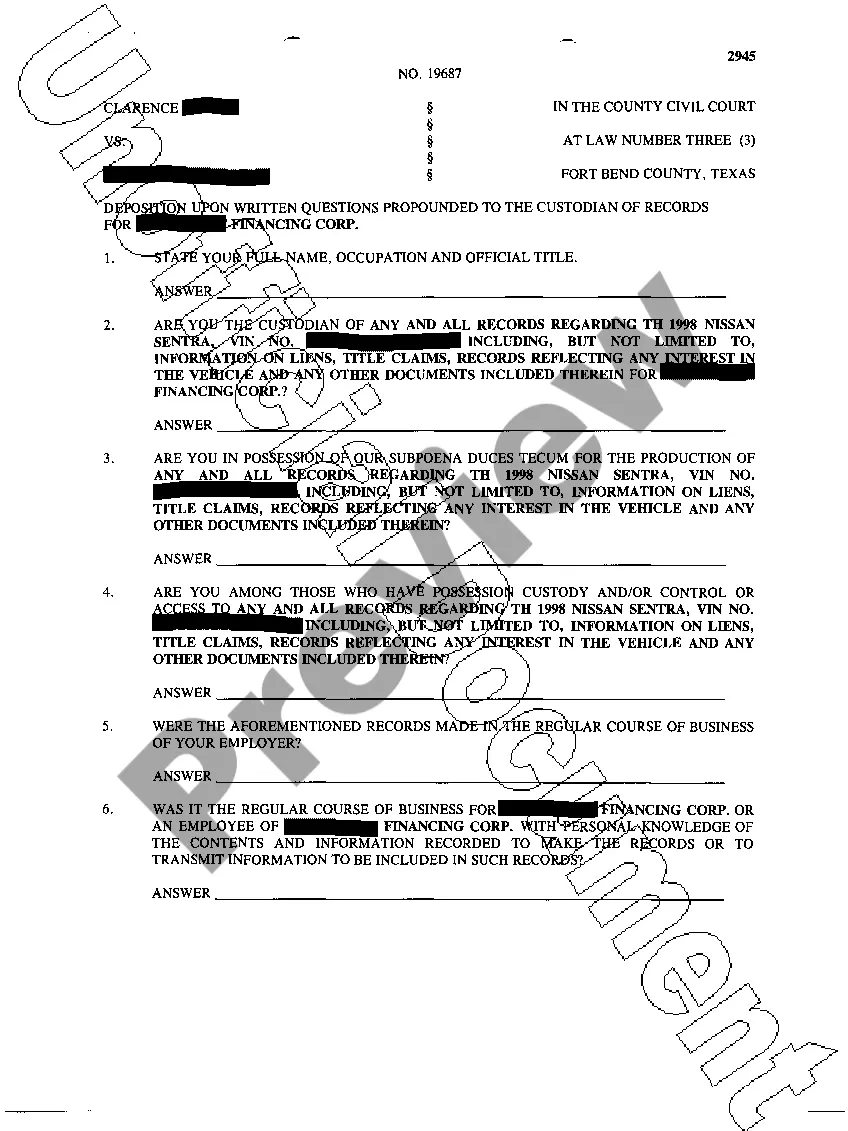
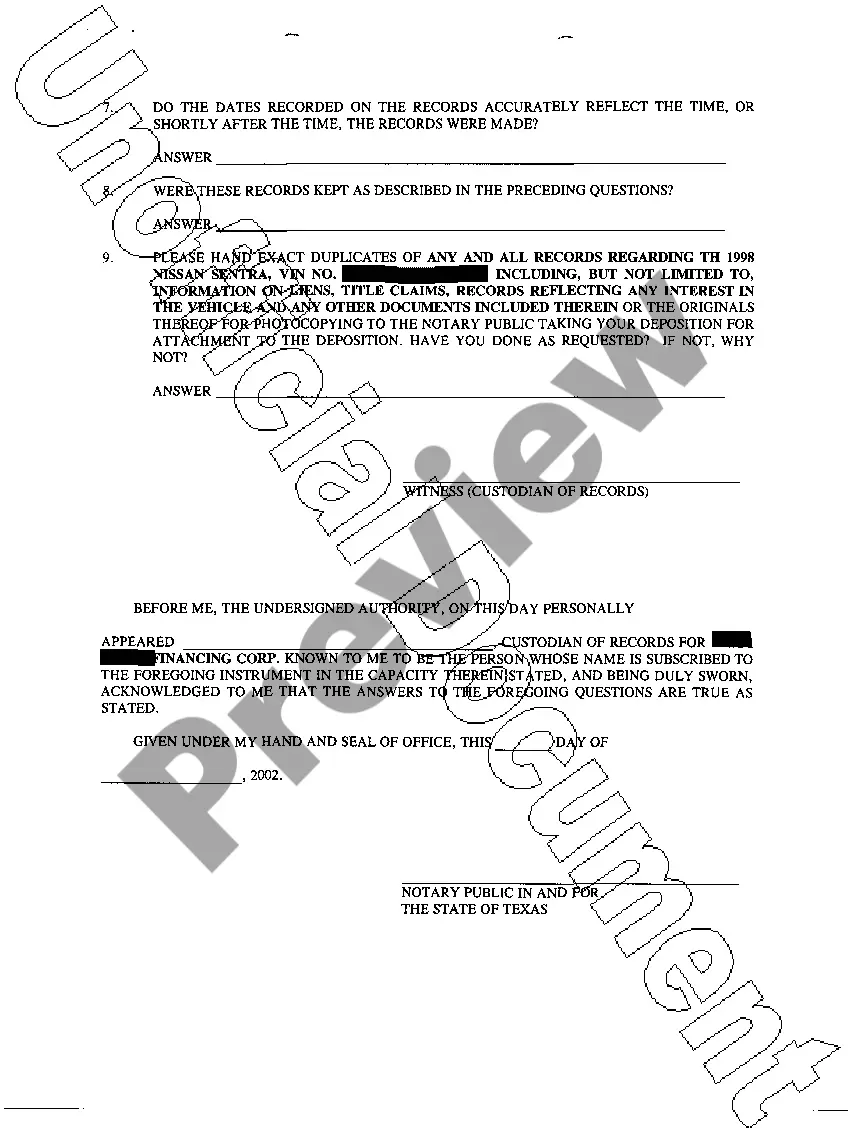
Deposition On Written Questions Texas Without Consent
Description
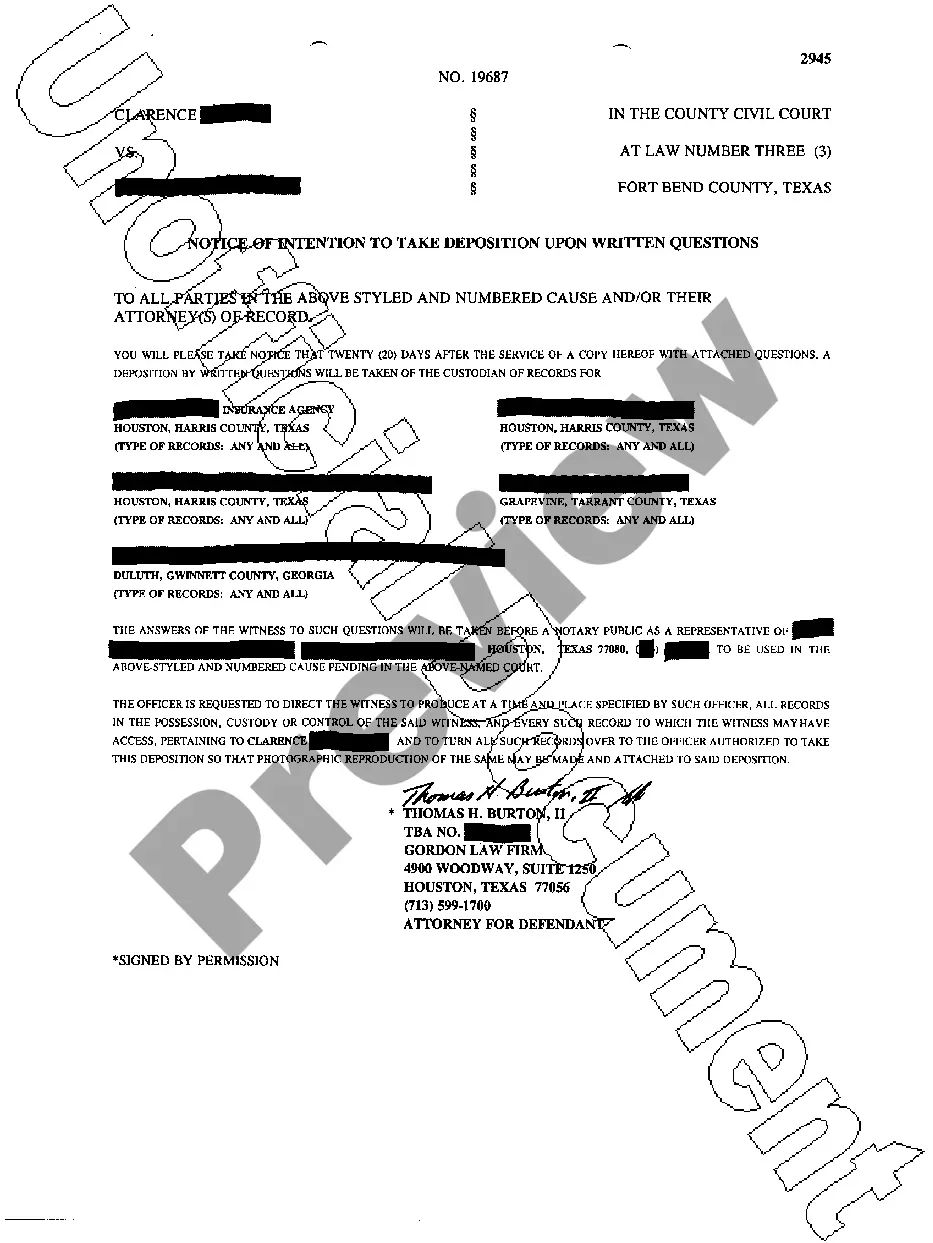
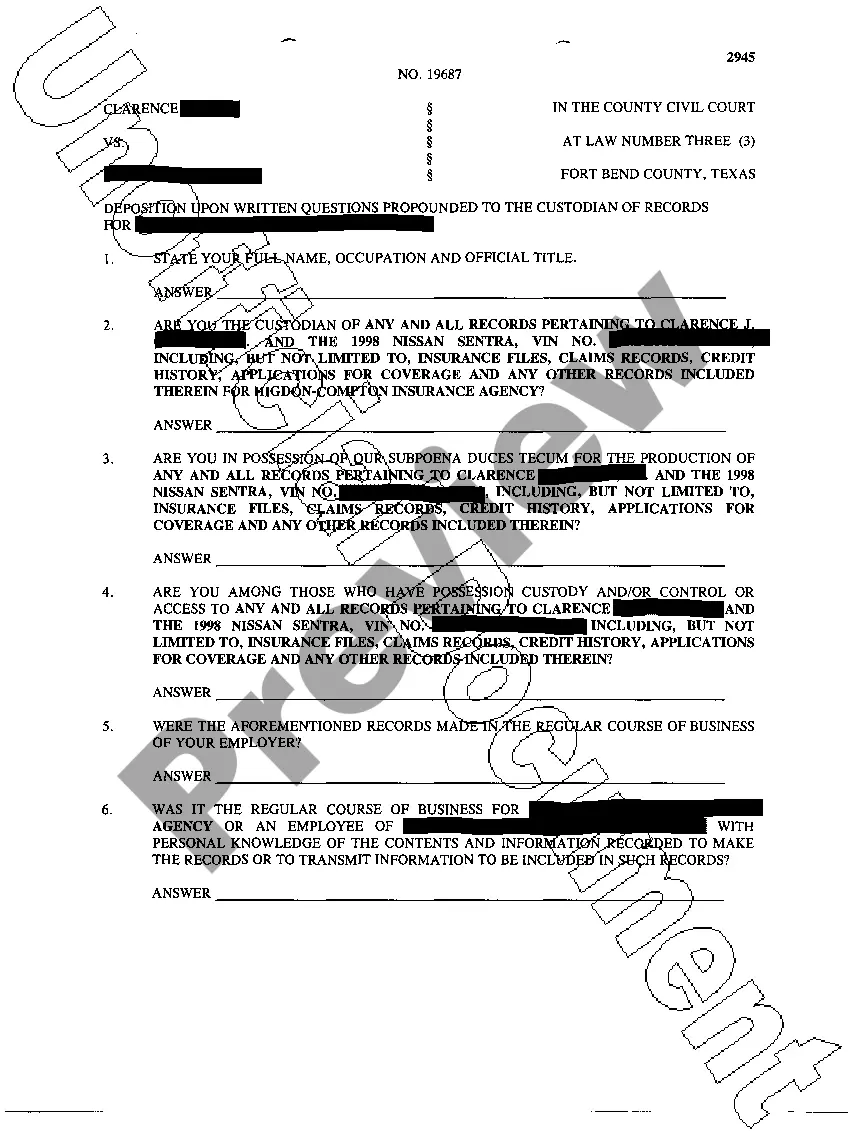
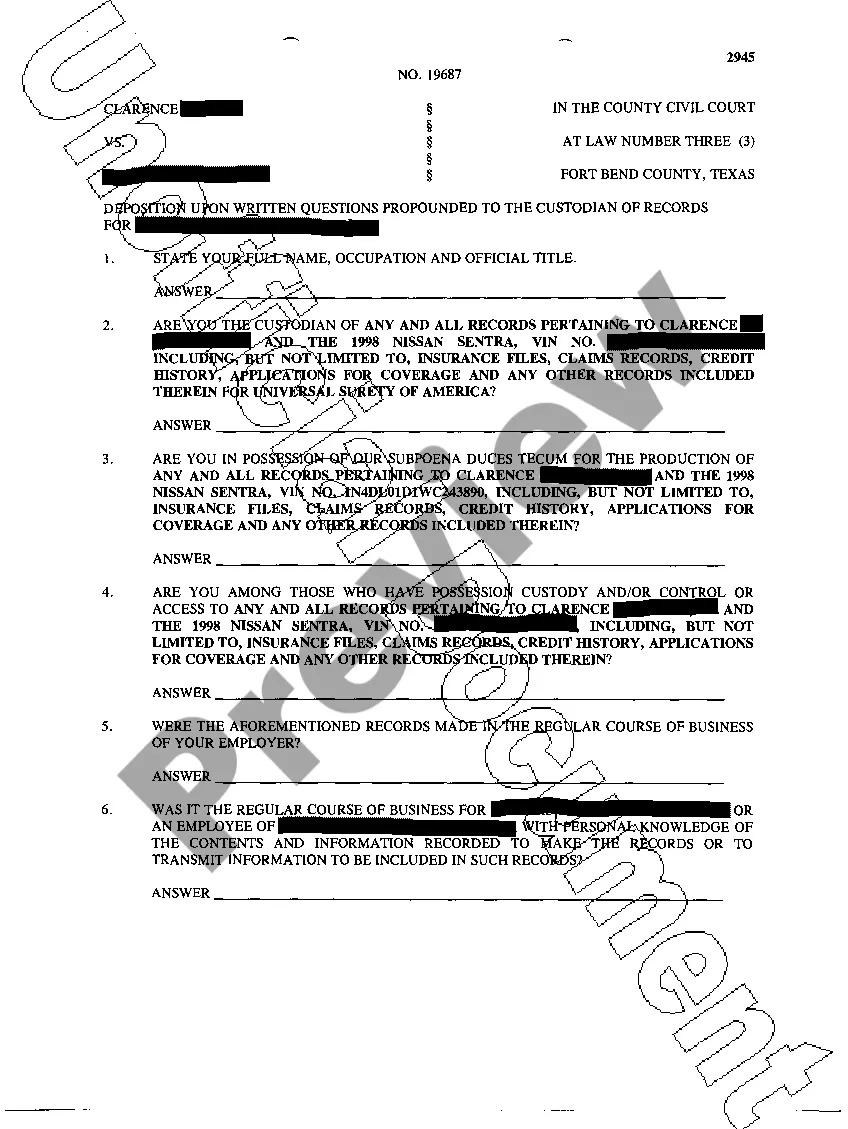
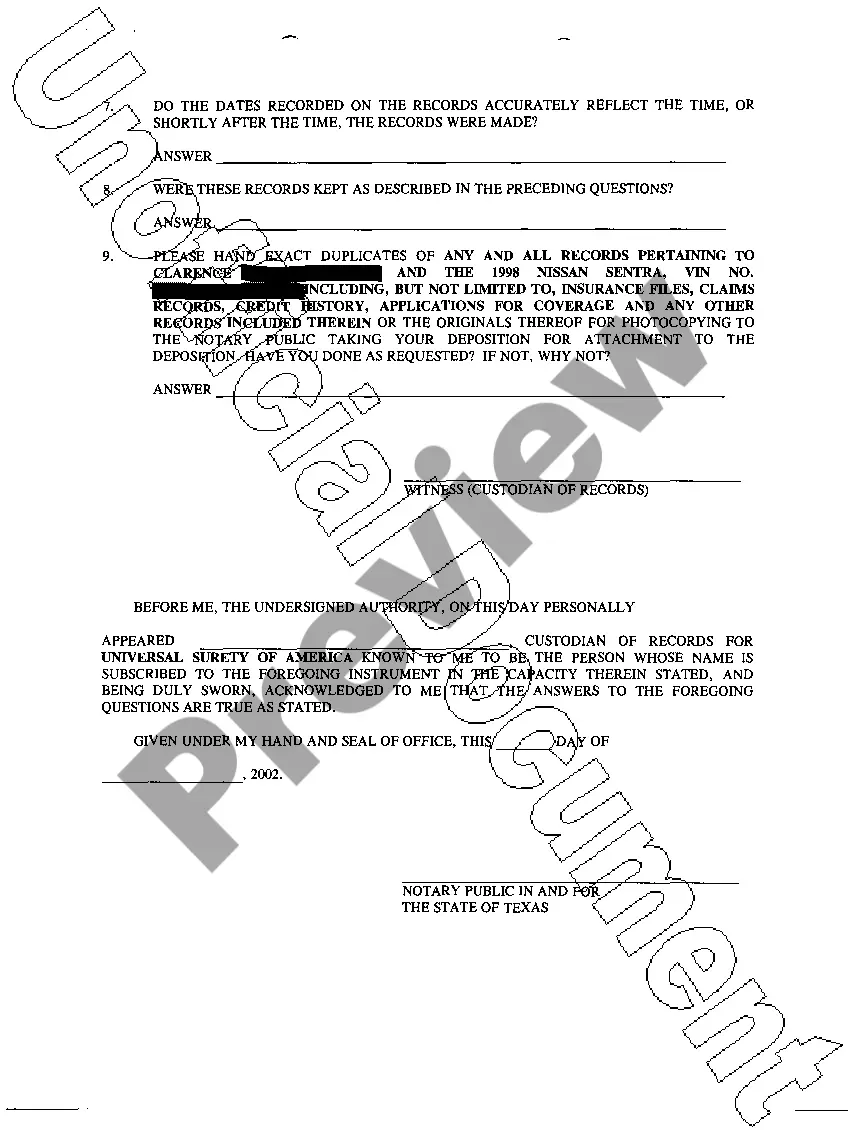
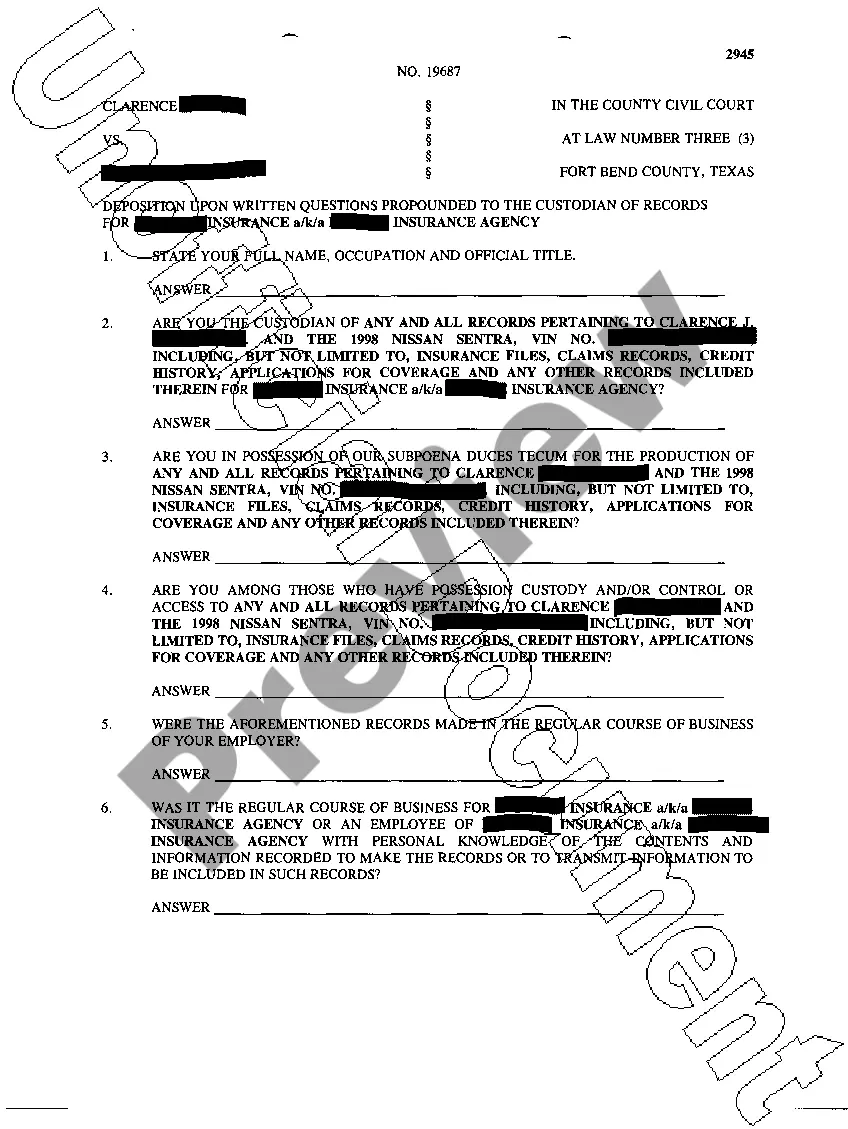
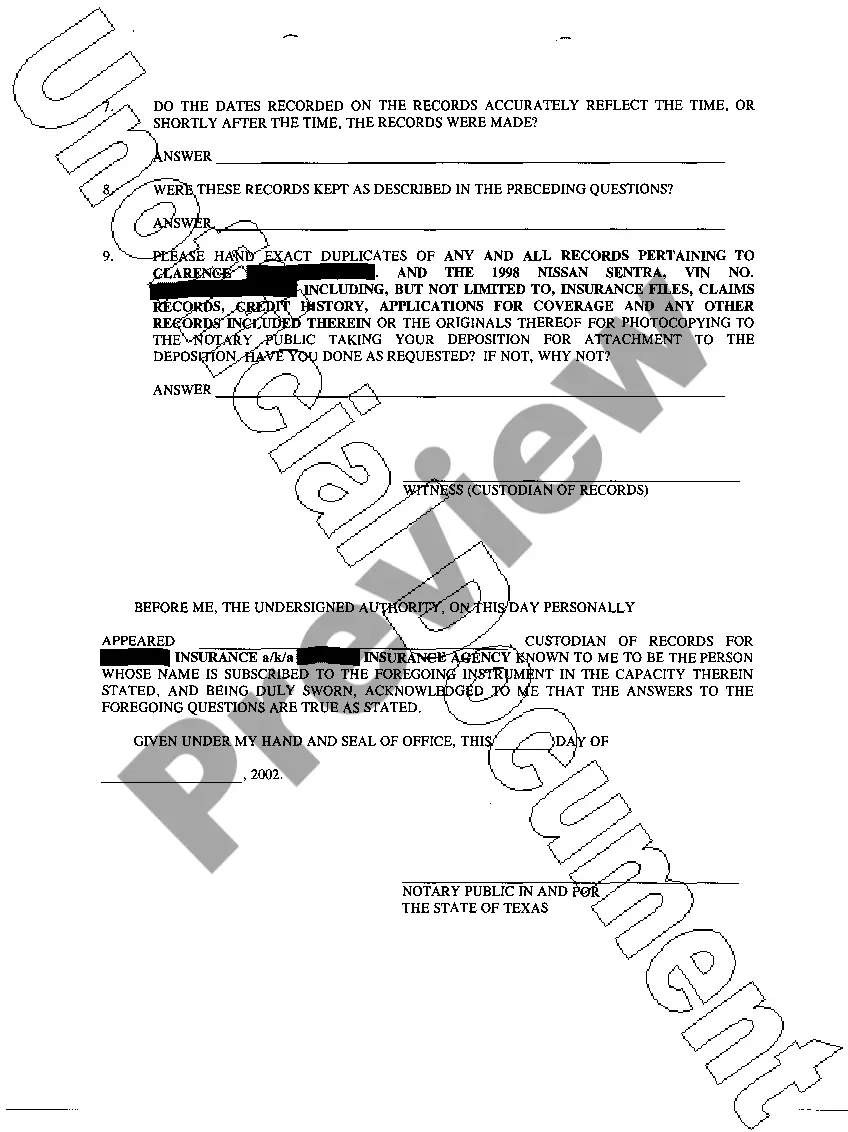

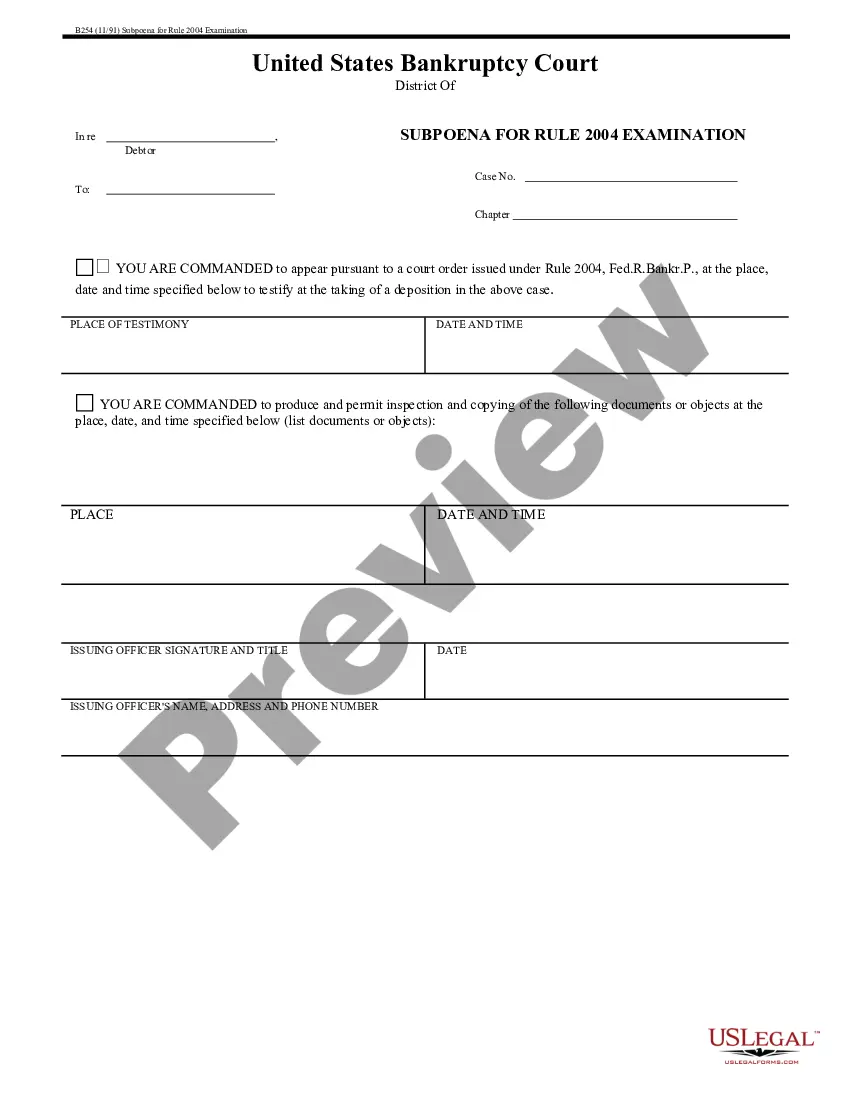
How to fill out Texas Notice Of Deposition Upon Written Questions?
It’s clear that one cannot transform into a legal expert in a single night, nor can you swiftly master how to draft Deposition On Written Questions Texas Without Consent without possessing a specific expertise.
Crafting legal documents is a lengthy undertaking that necessitates particular training and experience. So why not let the experts handle the development of the Deposition On Written Questions Texas Without Consent.
With US Legal Forms, one of the most extensive legal template databases, you can discover anything from judicial documents to frameworks for internal business communication.
If you need a different template, restart your search.
Create a free account and select a subscription plan to purchase the template. Click Buy now. Once payment is processed, you can access the Deposition On Written Questions Texas Without Consent, fill it out, print it, and send or mail it to the relevant parties or organizations.
- We recognize the significance of compliance with federal and local regulations.
- That’s why, on our platform, all templates are tailored to specific locations and remain current.
- Start by visiting our website and obtain the form you need in just moments.
- Utilize the search bar located at the top of the page to locate the form you require.
- Preview it (if available) and review the supporting description to confirm whether Deposition On Written Questions Texas Without Consent matches what you’re looking for.
Form popularity
FAQ
The 3-year rule in Texas refers to a statute of limitations for many civil cases, meaning lawsuits must be filed within three years of the claim's occurrence. This rule impacts the timing of depositions and other legal proceedings. For those considering depositions on written questions in Texas without consent, being aware of the 3-year rule can ensure you stay within legal boundaries when initiating your case.
At a party's request, the court must order witnesses excluded so that they cannot hear other witnesses' testimony. Or the court may do so on its own.
Depositions upon written questions ? In these deposition hearings, the witness receives written questions in advance. Their legal team has a time limit to evaluate each inquiry. Once objections are squared away, the witness must answer the questions before an examiner and court reporter.
An attorney may instruct a witness not to answer a question during an oral deposition only if necessary to preserve a privilege, comply with a court order or these rules, protect a witness from an abusive question or one for which any answer would be misleading, or secure a ruling pursuant to paragraph (g).
An attorney may instruct a witness not to answer a question during an oral deposition only if necessary to preserve a privilege, comply with a court order or these rules, protect a witness from an abusive question or one for which any answer would be misleading, or secure a ruling pursuant to paragraph (g).
An attorney must not object to a question at an oral deposition, instruct the witness not to answer a question, or suspend the deposition unless there is a good faith factual and legal basis for doing so at the time.