Rule 11 Letter Sample Formal
Description
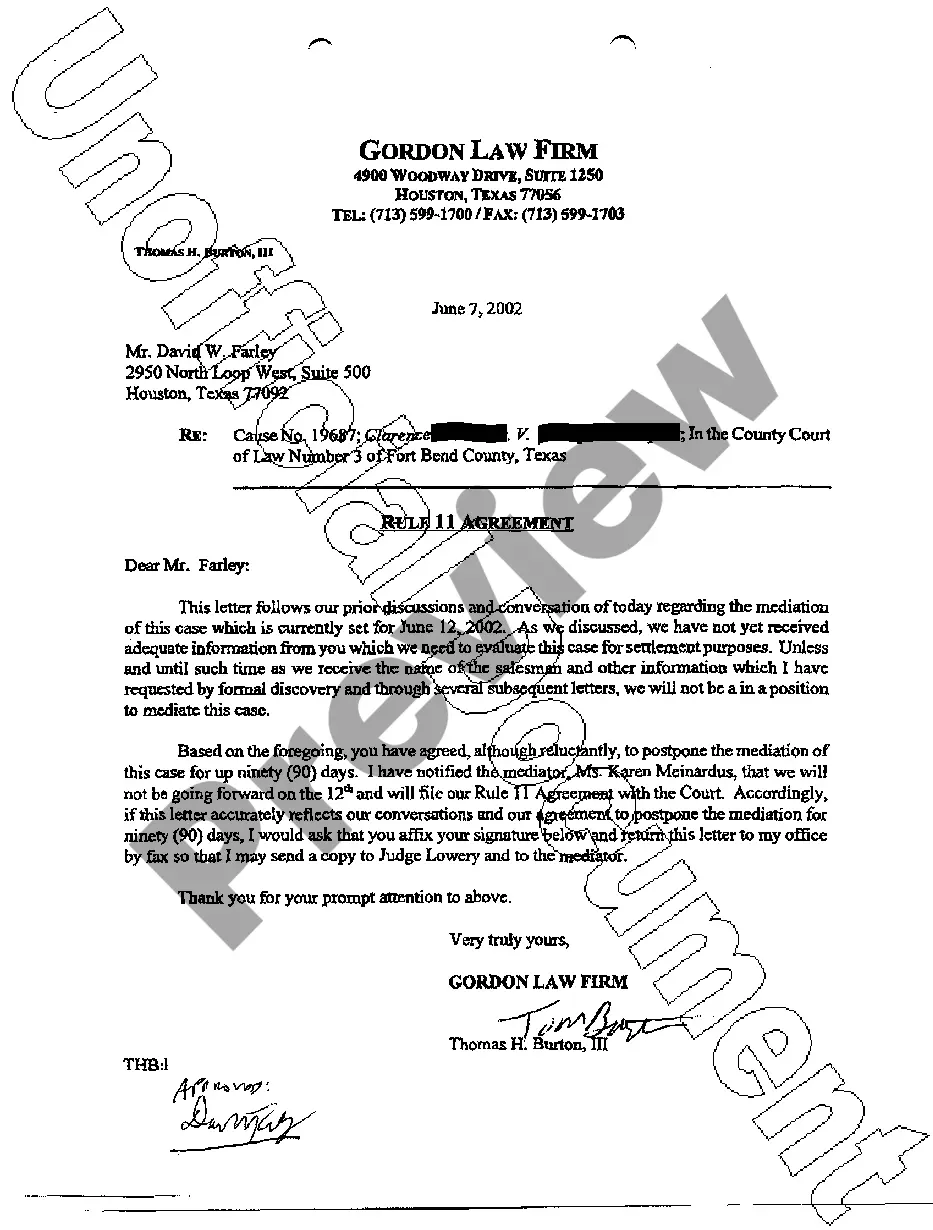
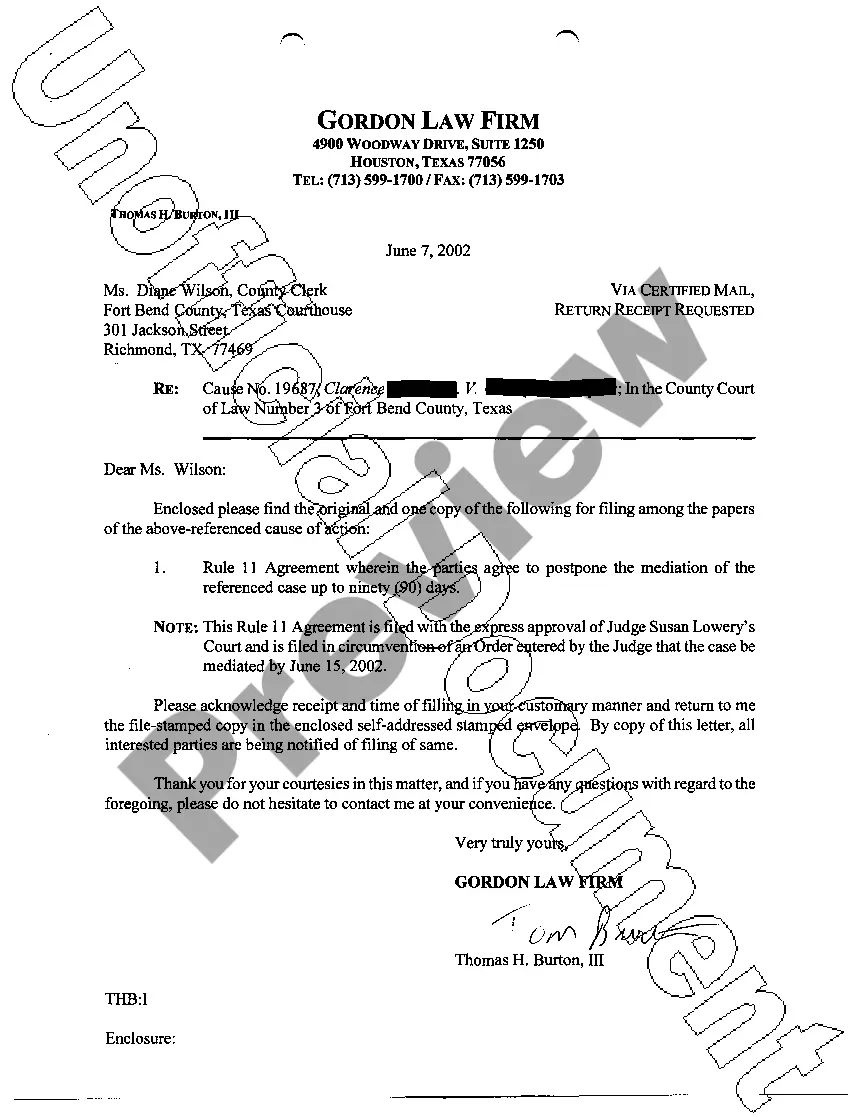
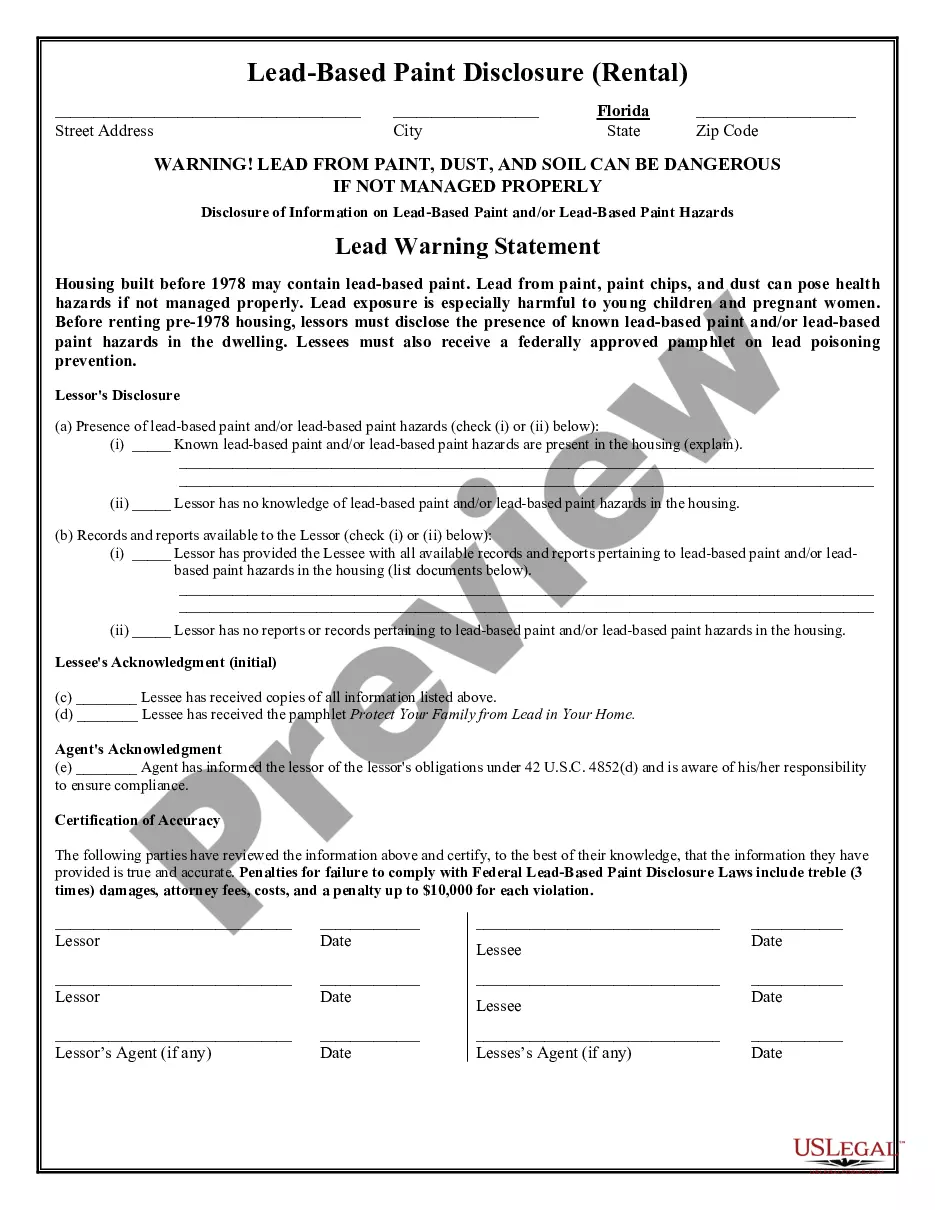
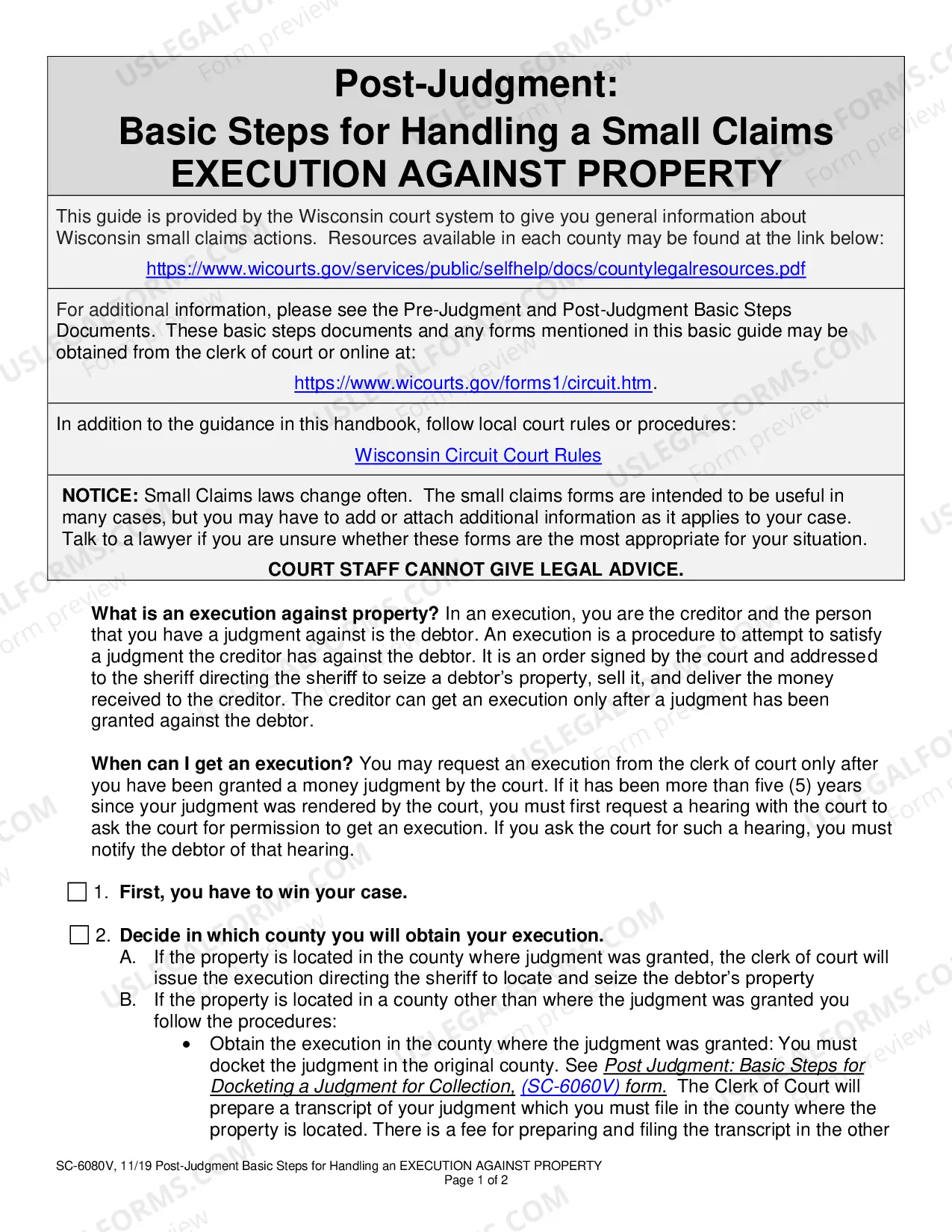
How to fill out Texas Rule 11 Letter?
It's well-known that you cannot transform into a legal expert instantly, nor can you swiftly master how to compile Rule 11 Letter Sample Formal without possessing a particular skill set.
Assembling legal documents is a lengthy task that necessitates specific education and expertise. So, why not entrust the formulation of the Rule 11 Letter Sample Formal to the professionals.
With US Legal Forms, which features one of the most extensive legal document repositories, you can find everything from court filings to templates for internal communications.
Create a free account and select a subscription plan to purchase the form.
Click Buy now. After the payment is completed, you can download the Rule 11 Letter Sample Formal, complete it, print it, and send or mail it to the necessary individuals or organizations.
- Understand the significance of compliance and adherence to federal and state regulations.
- Navigate our platform to acquire the form you require in just a few minutes.
- Utilize the search bar at the top of the page to locate the document you need.
- Preview it (if available) and review the accompanying description to confirm if Rule 11 Letter Sample Formal is what you are looking for.
- If you need a different form, restart your search.
Form popularity
FAQ
We don't like Motions to Compel. Judges don't like them, and neither do the opposing parties we bring them against. But they are, sometimes, required to be brought in cases where you need information to make sure you know what facts, witnesses and documents are in a case prior to going to going to trial.
Hear this out loud PauseRes judicata, governed by Section 11 of the Code of Civil Procedure, 1908, is a doctrine that prohibits a court from re-examining a case that has already been conclusively decided by the same court, involving the same parties, subject matter, and under the same title.
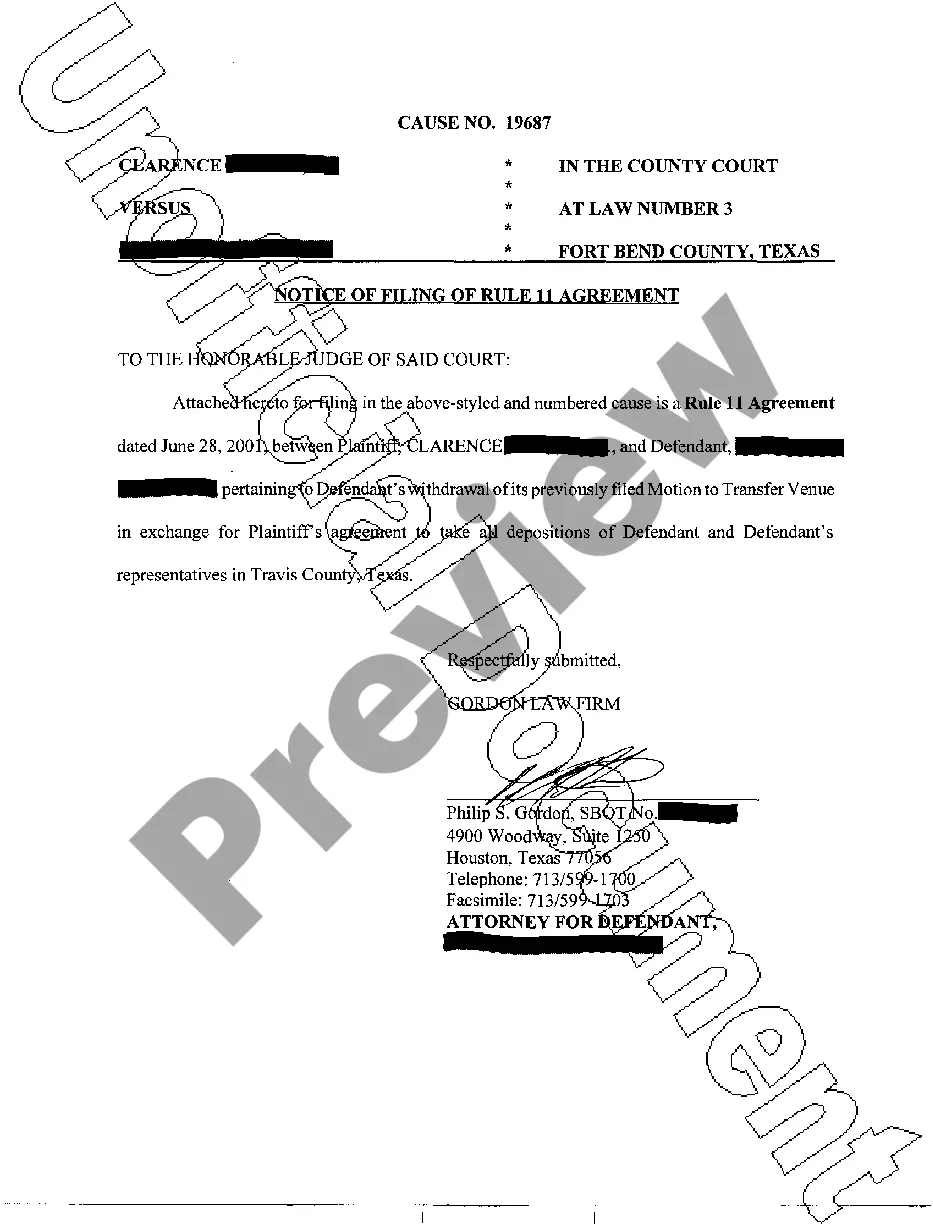
Federal Rule of Civil Procedure 11 provides that no agreement between attorney or parties touching any suit pending will be enforced unless it is in writing and signed and filed with the papers as part of the record unless the agreement is made in court and entered of record.
In a Rule 11 agreement, you and the other parent can agree about things such as how medical, psychological, and educational decisions are made. This also includes determining where your child will live and which parent will be considered the custodial parent. See Texas Family Code chapter 153.
Order VII Rule 11 of the Code of Civil Procedure elaborates on the rejection of plaints in certain circumstances. It has mentioned certain grounds on the basis of which the plaints are rejected by the courts. One of them is not mentioning the cause of action that the plaintiff seeks against the respondent.