Motion To Compel For Discovery
Description
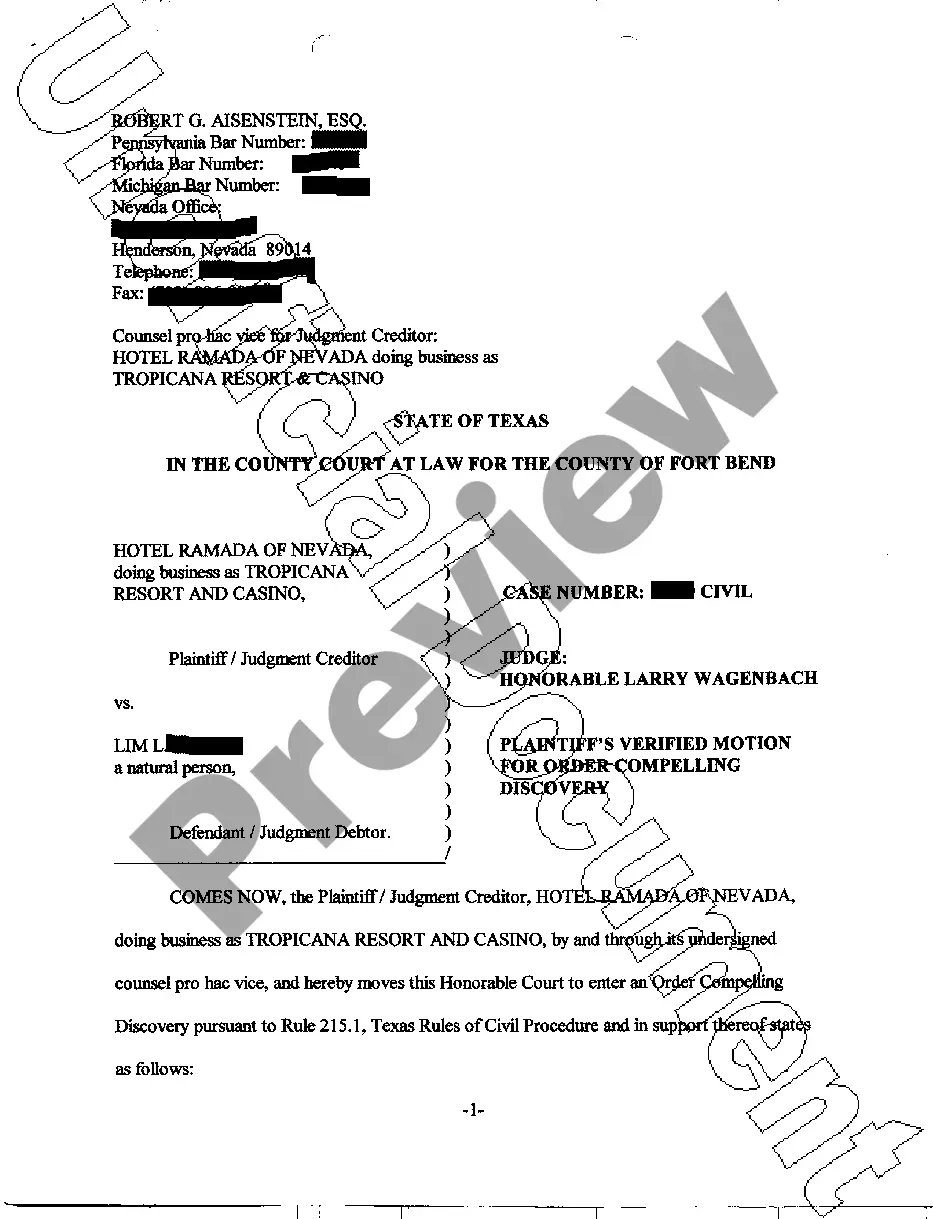
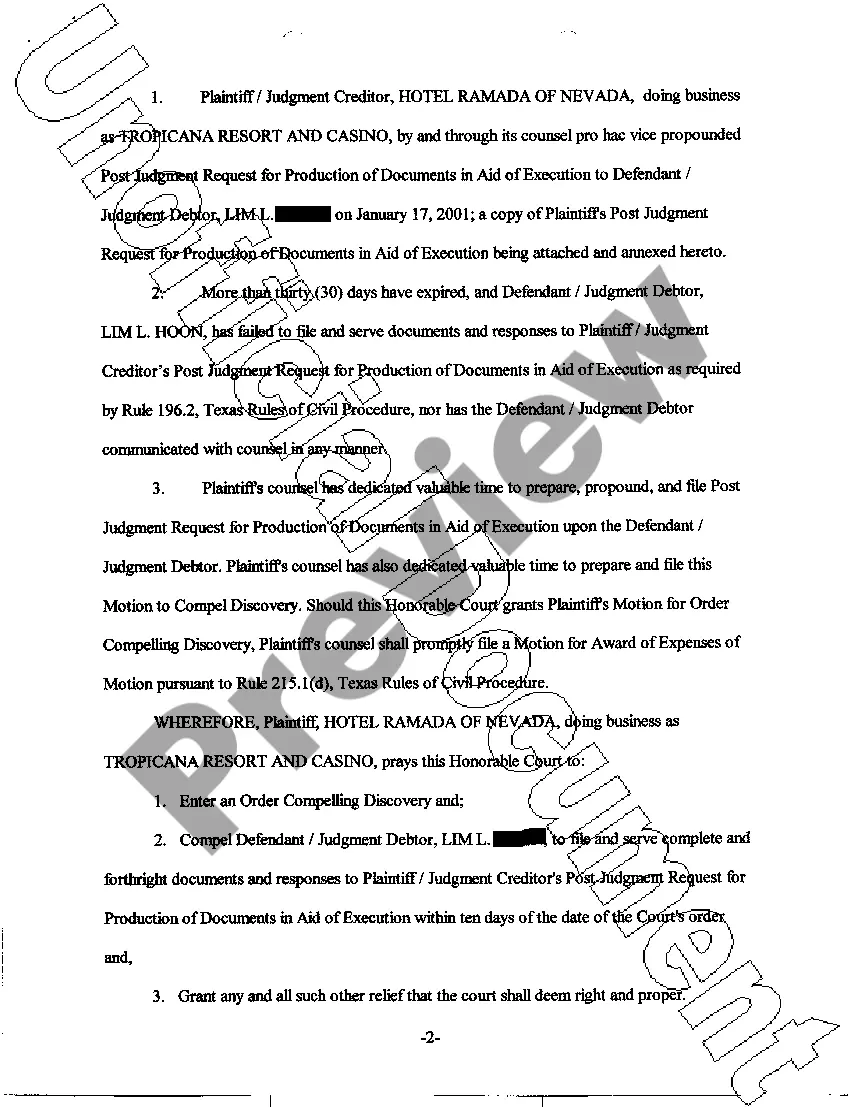
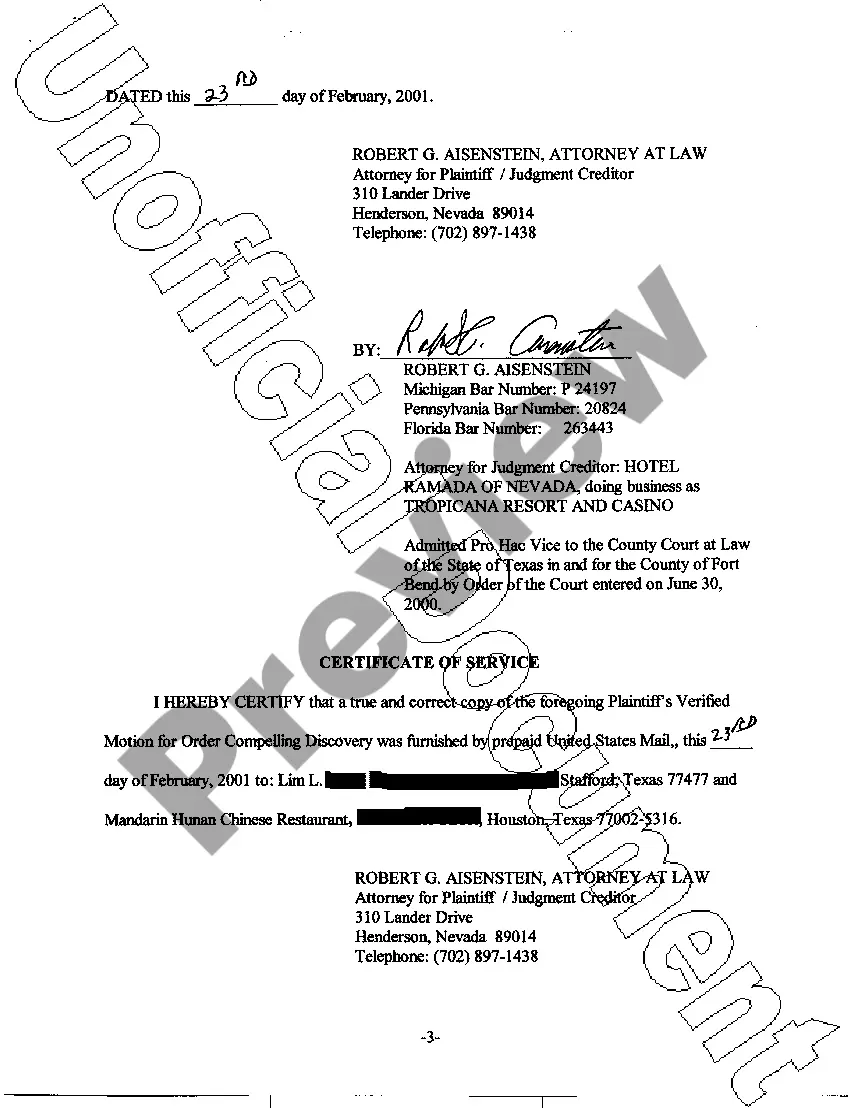
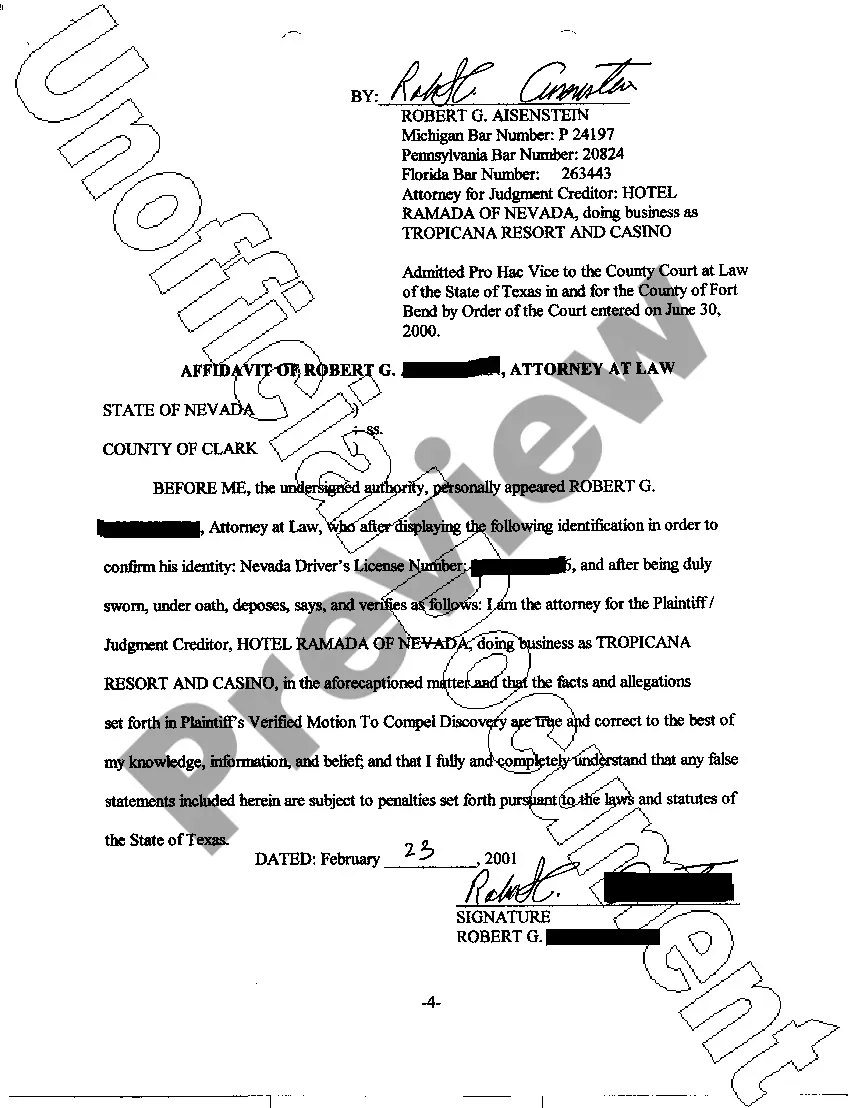
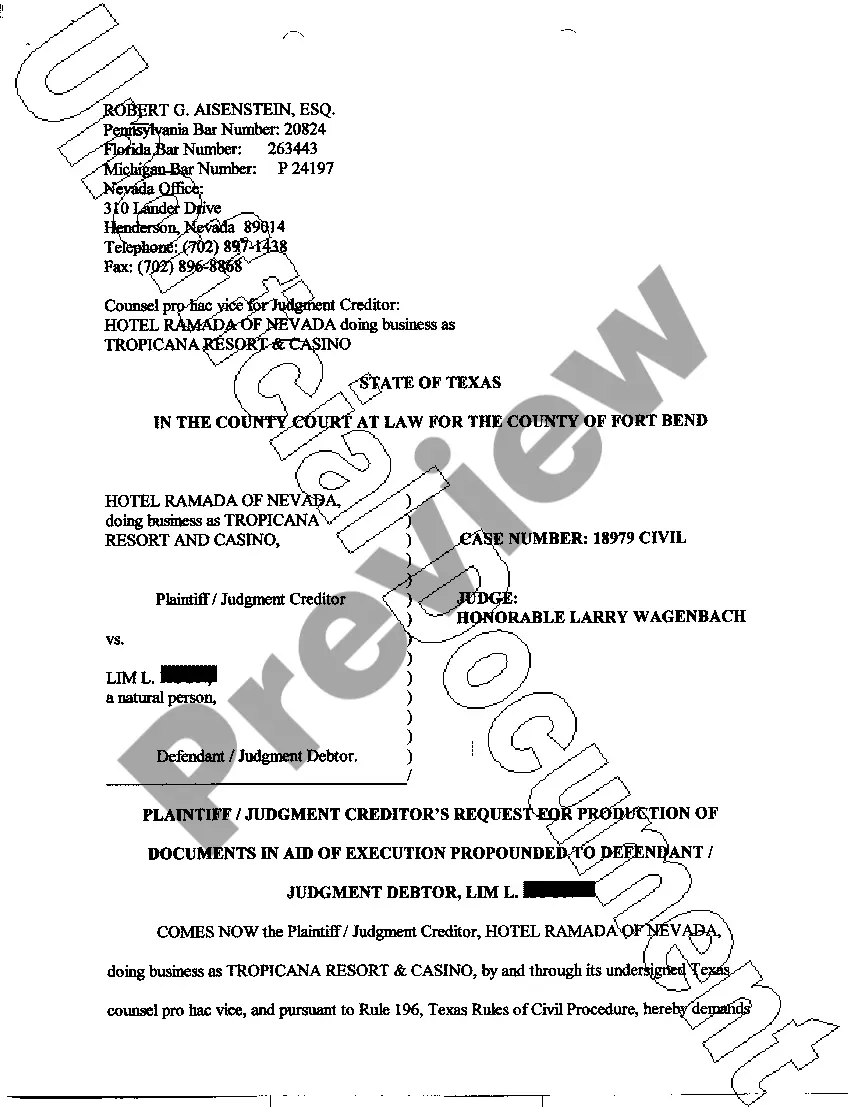
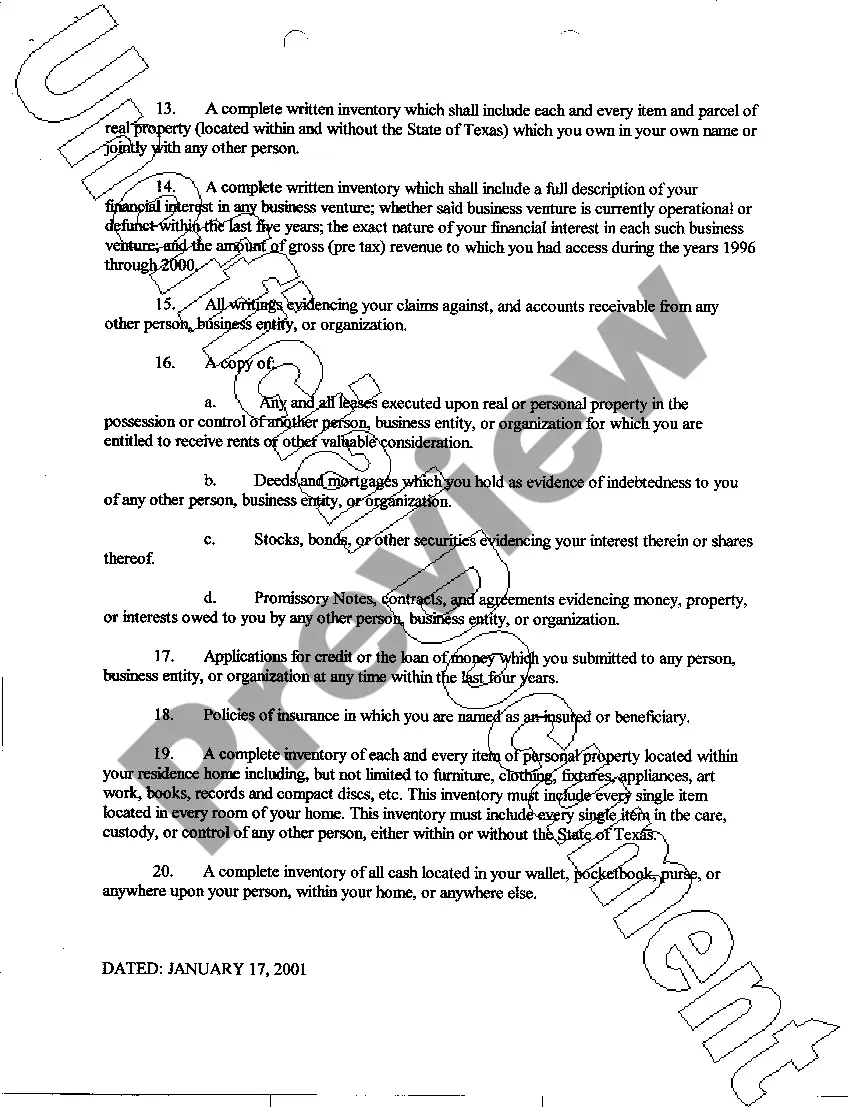
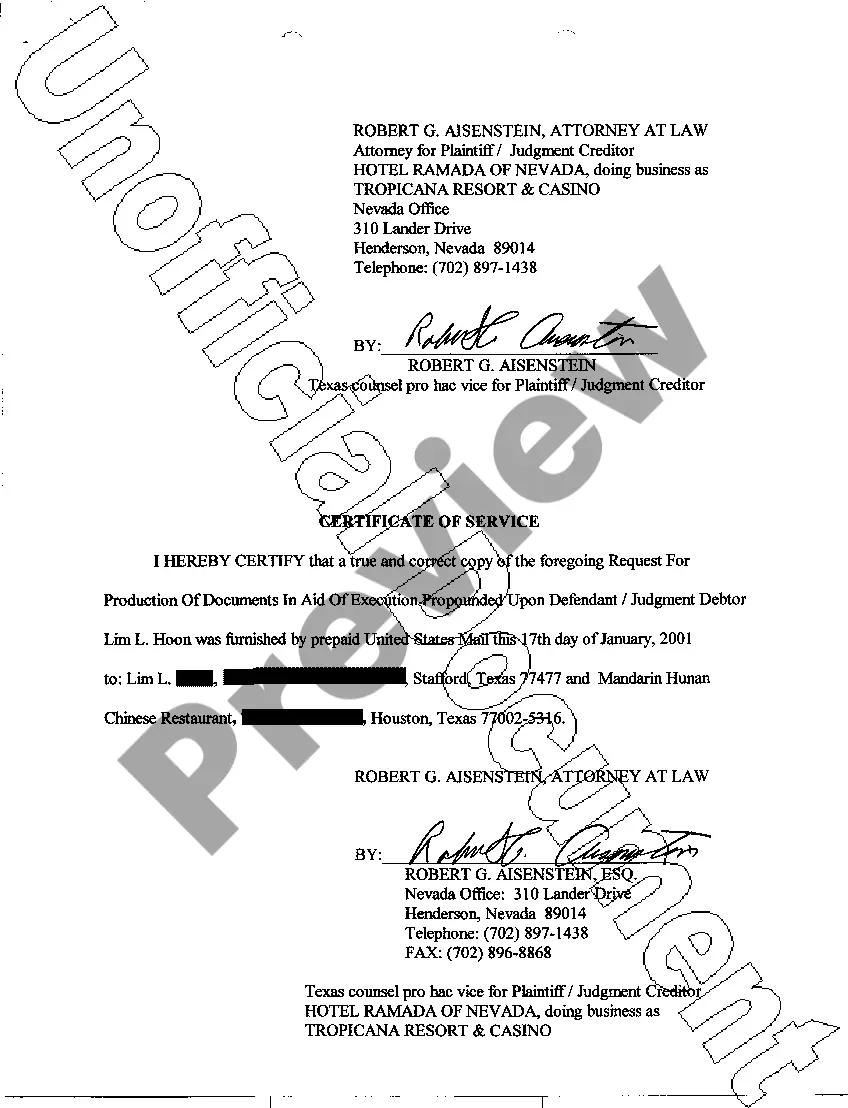



How to fill out Texas Motion To Compel Discovery?
It’s common knowledge that you cannot transform into a legal expert instantly, nor can you master the swift drafting of a Motion To Compel For Discovery without possessing a specialized skill set.
Producing legal documents is a labor-intensive task that necessitates specific education and expertise. So why not entrust the development of the Motion To Compel For Discovery to the professionals.
With US Legal Forms, which boasts one of the most comprehensive legal template collections, you can discover everything from court filings to templates for internal corporate communications. We recognize the importance of compliance and adherence to federal and local laws and regulations.
Click Buy now. Once the payment is processed, you can access the Motion To Compel For Discovery, fill it out, print it, and send or mail it to the appropriate individuals or organizations.
You can recover your documents from the My documents tab at any time. If you are an existing customer, you can simply Log In and find and download the template from the same tab.
- Here’s how you can initiate your journey with our platform and acquire the form you need in just a few minutes.
- Identify the form you require using the search bar at the top of the page.
- Preview it (if this option is available) and review the accompanying description to confirm if Motion To Compel For Discovery is what you seek.
- If you need a different form, restart your search.
- Create a free account and select a subscription plan to purchase the form.
Form popularity
FAQ
Identify your reasons for not complying. You need to give the court a reason to deny the other side's motion to compel. There are many different reasons you could give. Take out your Response to the discovery request.
We don't like Motions to Compel. Judges don't like them, and neither do the opposing parties we bring them against. But they are, sometimes, required to be brought in cases where you need information to make sure you know what facts, witnesses and documents are in a case prior to going to going to trial.
Consider Filing a Motion to Compel if: A party fails to answer an interrogatory. A party's response to a discovery request is incomplete or evasive. A person fails to answer a question during a deposition. A non-party objects to a request for documents under a subpoena.
A Motion to Compel Discovery may be filed by any interested party to request the court order an opposing party or a third party to produce a response to a discovery request for documentation or information. NOTE: This event is to compel discovery only.
A motion to compel asks the court to order either the opposing party or a third party to take some action. This sort of motion most commonly deals with discovery disputes, when a party who has propounded discovery to either the opposing party or a third party believes that the discovery responses are insufficient.