Texas Tenant At Sufferance
Description
Get your form ready online
Our built-in tools help you complete, sign, share, and store your documents in one place.
Make edits, fill in missing information, and update formatting in US Legal Forms—just like you would in MS Word.
Download a copy, print it, send it by email, or mail it via USPS—whatever works best for your next step.
Sign and collect signatures with our SignNow integration. Send to multiple recipients, set reminders, and more. Go Premium to unlock E-Sign.
If this form requires notarization, complete it online through a secure video call—no need to meet a notary in person or wait for an appointment.
We protect your documents and personal data by following strict security and privacy standards.

Make edits, fill in missing information, and update formatting in US Legal Forms—just like you would in MS Word.

Download a copy, print it, send it by email, or mail it via USPS—whatever works best for your next step.

Sign and collect signatures with our SignNow integration. Send to multiple recipients, set reminders, and more. Go Premium to unlock E-Sign.

If this form requires notarization, complete it online through a secure video call—no need to meet a notary in person or wait for an appointment.

We protect your documents and personal data by following strict security and privacy standards.
Looking for another form?



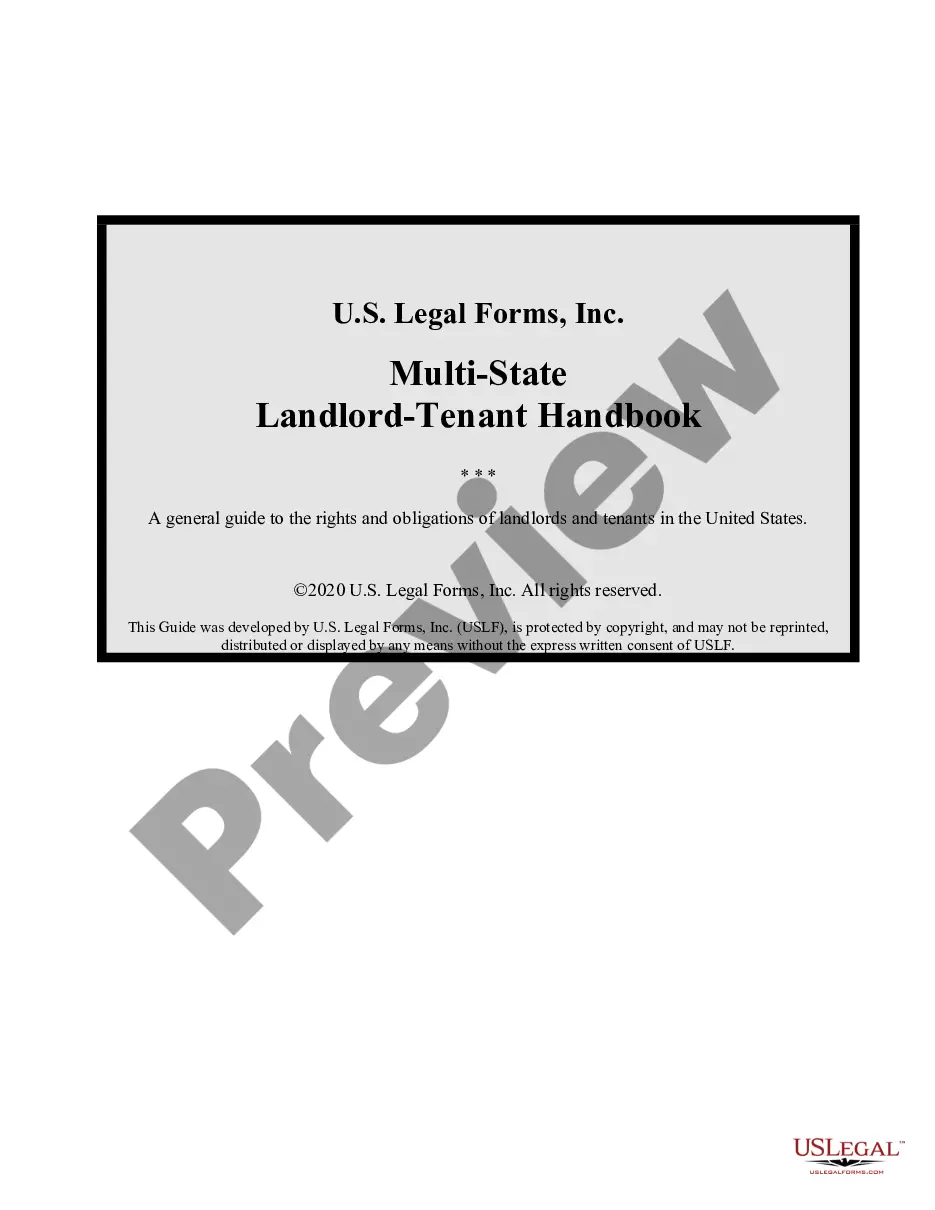
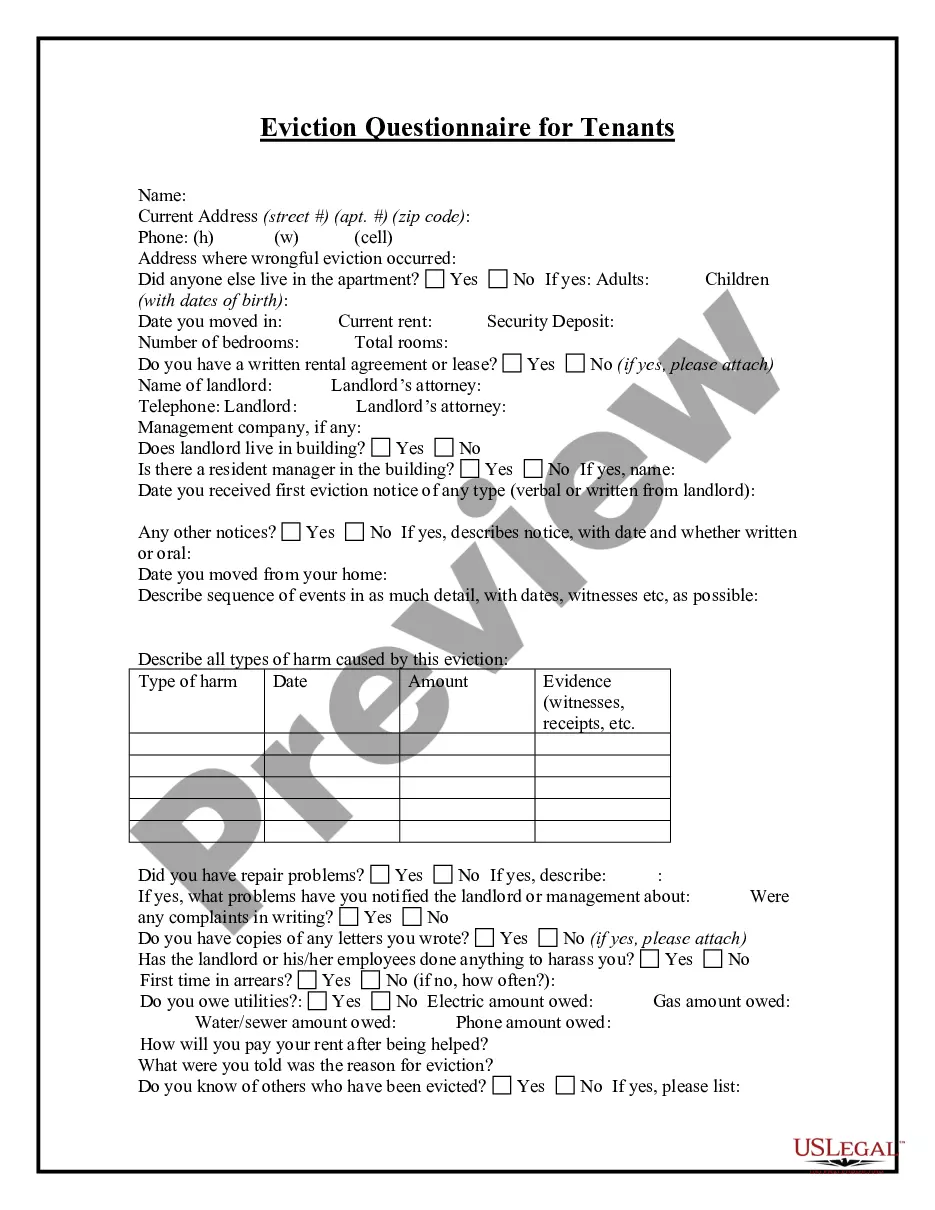
How to fill out Texas Landlord Tenant Eviction / Unlawful Detainer Forms Package?
It’s well-known that you cannot transform into a legal authority in an instant, nor can you learn how to swiftly compose Texas Tenant At Sufferance without possessing a specialized skill set.
Drafting legal documents is a lengthy endeavor that necessitates specific education and expertise. So why not entrust the creation of the Texas Tenant At Sufferance to the professionals.
With US Legal Forms, one of the most extensive collections of legal documents available, you can find everything from legal filings to templates for internal business communications. We recognize how crucial compliance with federal and state regulations is. That’s why all forms on our platform are tailored to specific locations and current.
You can re-access your documents anytime from the My documents section. If you’re an existing user, simply Log In to locate and download the template from the same section.
Regardless of the reason for your documentation—be it financial, legal, or personal—our platform has everything you need. Experience US Legal Forms today!
- Utilize the search bar at the top of the page to find the document you require.
- Preview it (if this feature is available) and examine the accompanying description to confirm that Texas Tenant At Sufferance is the document you need.
- If you require a different template, start your search again.
- Create a free account and select a subscription plan to acquire the template.
- Click Buy now. Once the purchase is finalized, you can access the Texas Tenant At Sufferance, fill it out, print it, and send it or mail it to the intended recipients or organizations.
Form popularity
FAQ
Examples of tenant at sufferance If a person has a lawful estate in land, and retains possession without right after his interest ceases, he is said to be a tenant at sufferance. A tenant at sufferance is a wrongdoer.
Tenancy at sufferance refers to holdover tenants of an expired lease who no longer have the landlord's permission to remain in the property, but who have not yet been evicted. The term sufferance means the absence of objection without genuine approval.
"Tenant at sufferance" is one who comes into possession of land by lawful title, but who holds it by wrong after the termination of the term of expiry of the lease by efflux of time. The tenant at sufferance is, therefore, one who wrongfully continues in possession after extinction of a lawful title.
A tenant at or by sufferance is someone who has stayed in the rental after their lease has expired but who has not yet been asked to leave by the landlord. See also: "holdover tenant." Tenancy at Will. A tenancy at will is one where there is a landlord/tenant relationship, but there aren't specific terms of the tenancy ...
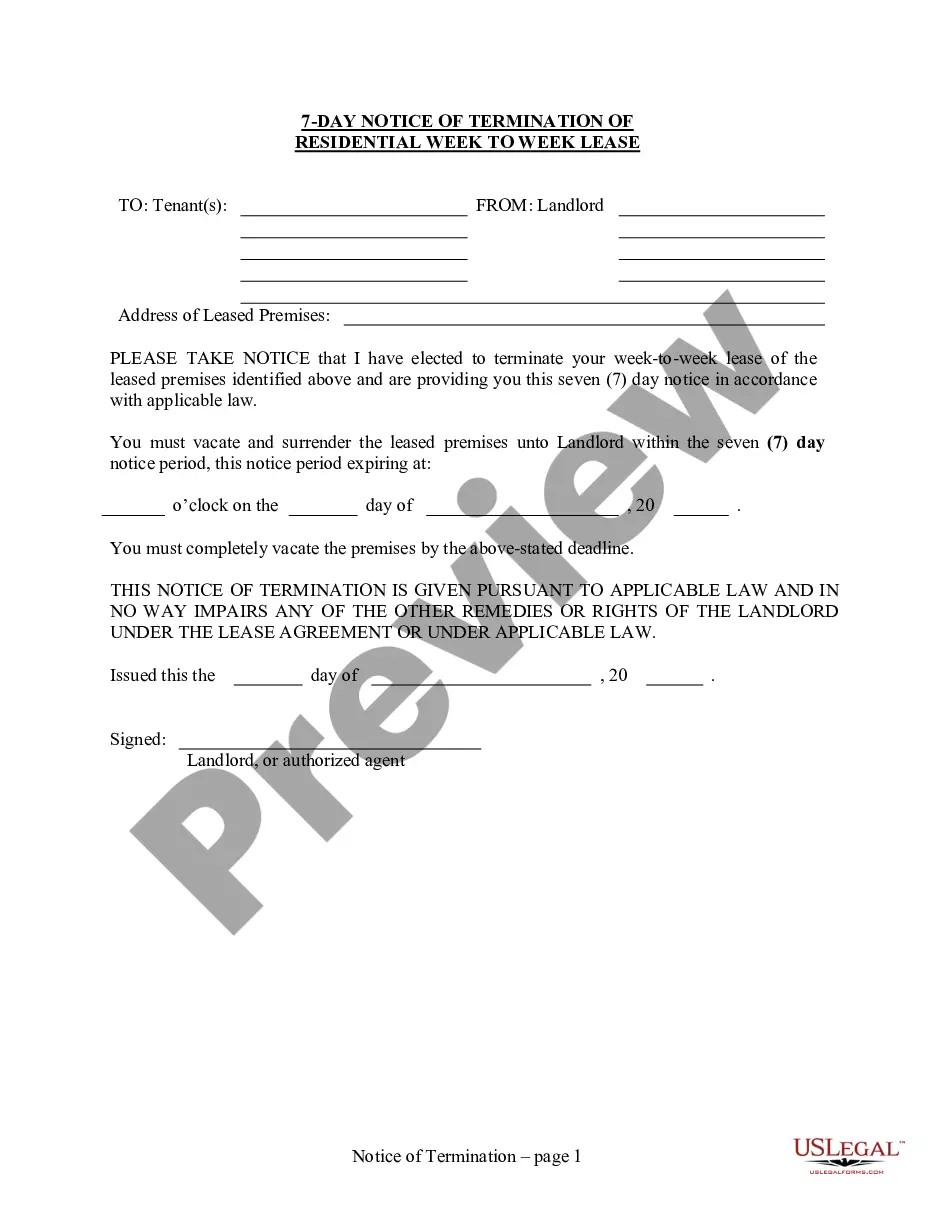
An at-will tenant must be given at least 3 days' notice to vacate, ing to Texas Property Code Section 94.005(b). If the tenant does not move out in the time specified in the notice to vacate, the next step is to file an eviction suit in justice court.