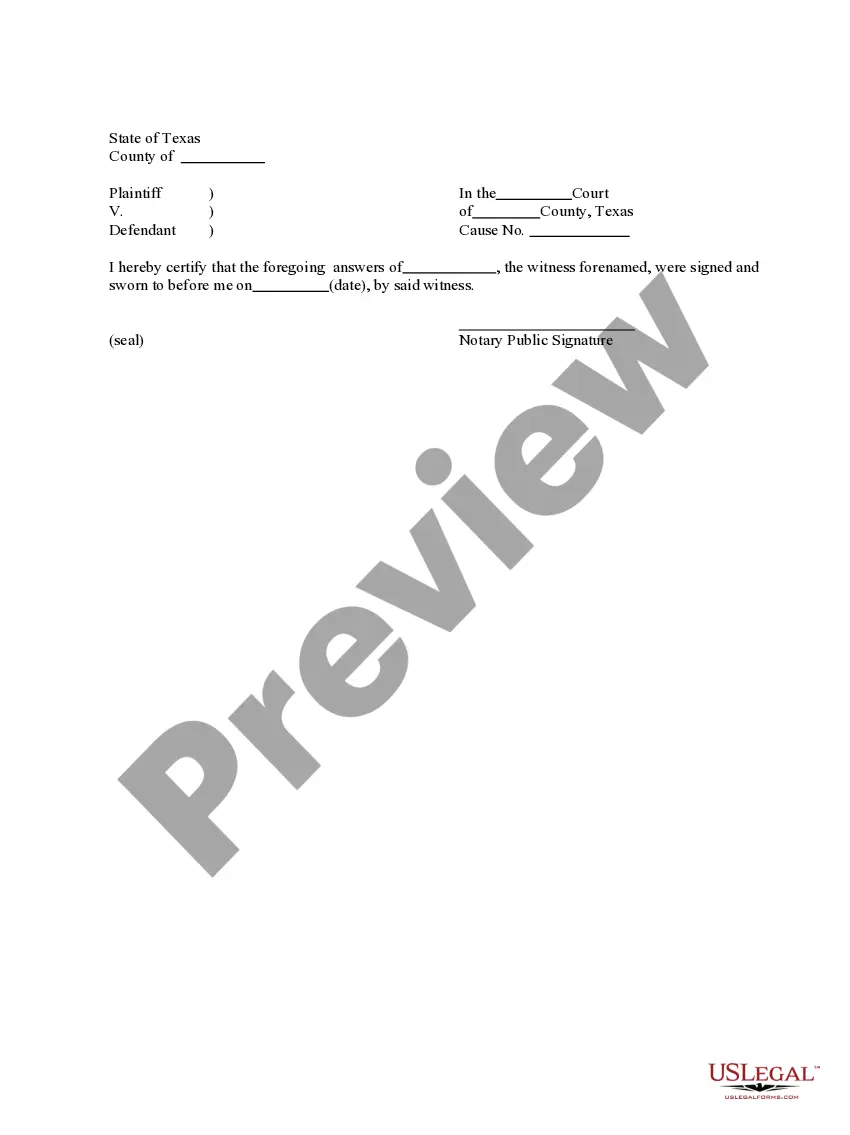
Deposition Questions In Divorce Case
Description
Get your form ready online
Our built-in tools help you complete, sign, share, and store your documents in one place.
Make edits, fill in missing information, and update formatting in US Legal Forms—just like you would in MS Word.
Download a copy, print it, send it by email, or mail it via USPS—whatever works best for your next step.
Sign and collect signatures with our SignNow integration. Send to multiple recipients, set reminders, and more. Go Premium to unlock E-Sign.
If this form requires notarization, complete it online through a secure video call—no need to meet a notary in person or wait for an appointment.
We protect your documents and personal data by following strict security and privacy standards.

Make edits, fill in missing information, and update formatting in US Legal Forms—just like you would in MS Word.

Download a copy, print it, send it by email, or mail it via USPS—whatever works best for your next step.

Sign and collect signatures with our SignNow integration. Send to multiple recipients, set reminders, and more. Go Premium to unlock E-Sign.

If this form requires notarization, complete it online through a secure video call—no need to meet a notary in person or wait for an appointment.

We protect your documents and personal data by following strict security and privacy standards.
Looking for another form?


Form popularity
FAQ
A deposition is a formal statement taken under oath, where witnesses provide insights about their experiences related to a case. In divorce cases, these testimonies provide clarity on critical issues, including child custody and asset division. Understanding the structure and purpose of deposition questions in divorce cases will help you navigate the process more effectively. USLegalForms offers valuable resources to help you prepare and understand these intricacies.
Deposition questions in divorce cases typically revolve around financial matters, parenting responsibilities, and communication patterns in the marriage. Common inquiries may include queries about income, expenses, and how decisions were made during the marriage. It's essential to consider various angles to ensure a comprehensive examination of the witness. Through USLegalForms, you can access specific question templates to guide your preparations.
Writing a deposition involves documenting questions and answers that occur during the interrogation of a witness. Start by outlining essential topics to cover, ensuring each section flows logically to maintain clarity. Focus on deposition questions in divorce cases, as these often reveal crucial information regarding assets and custody. You can use tools like USLegalForms to help format your deposition properly.