Texas Deceptive Trade Practices Act Demand Letter Without Payment
Description
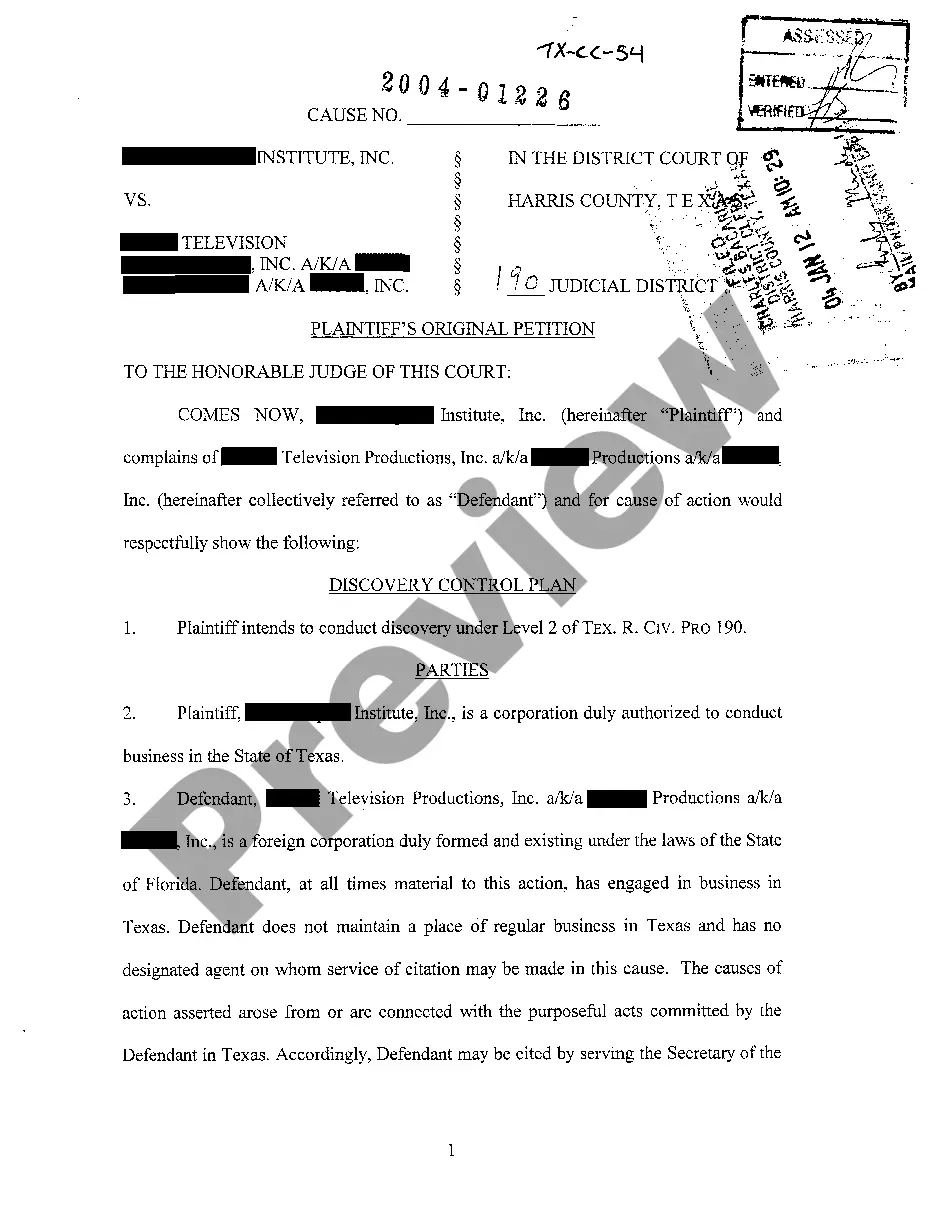
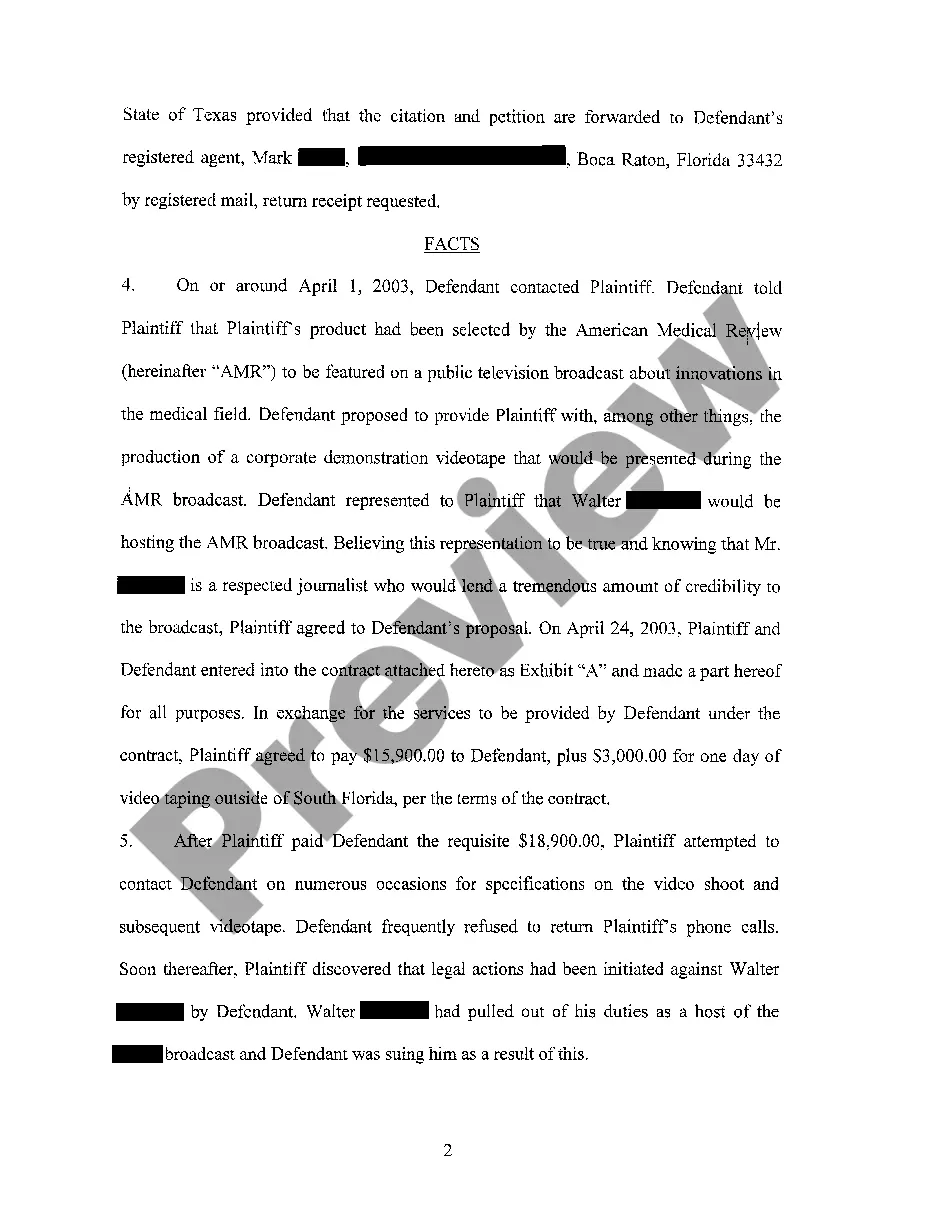
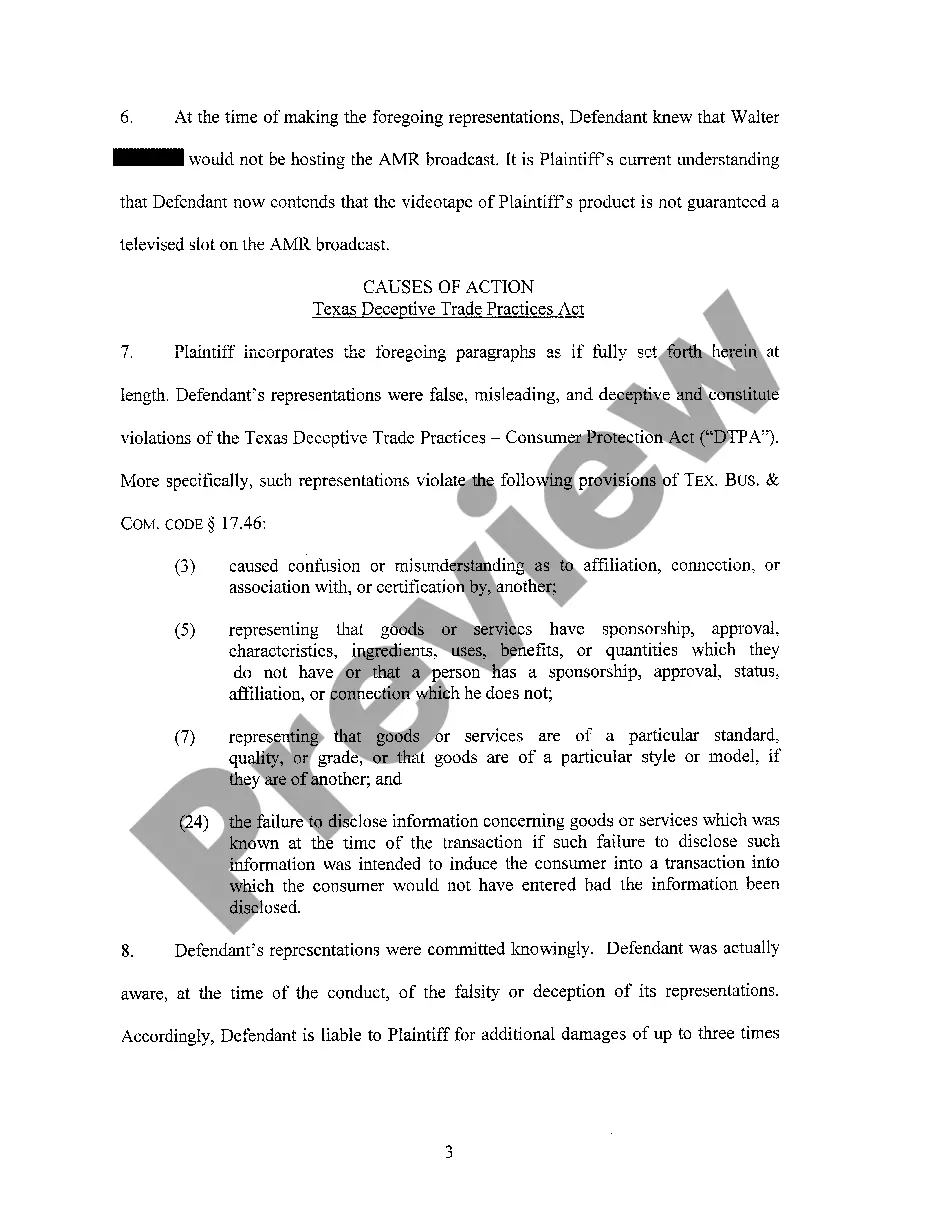
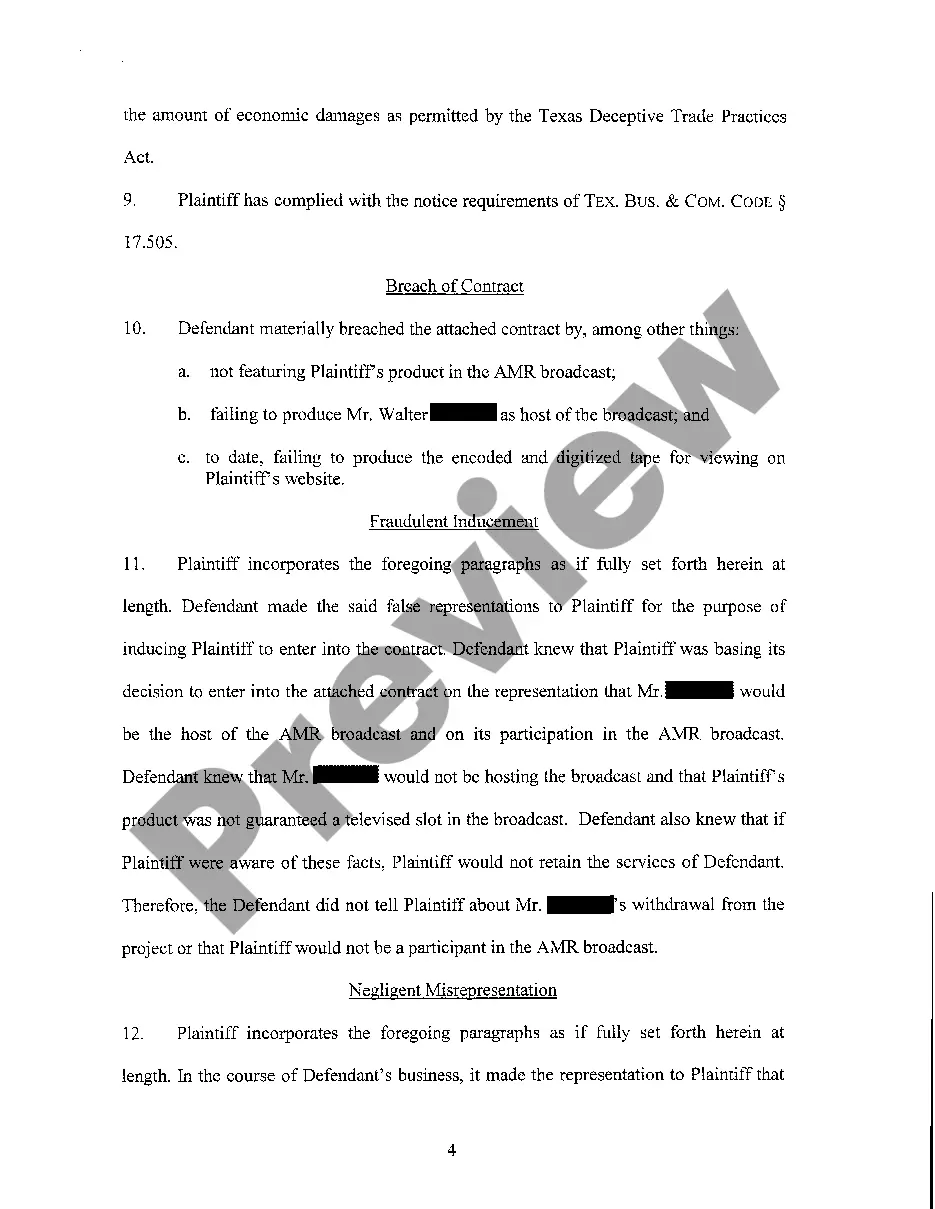
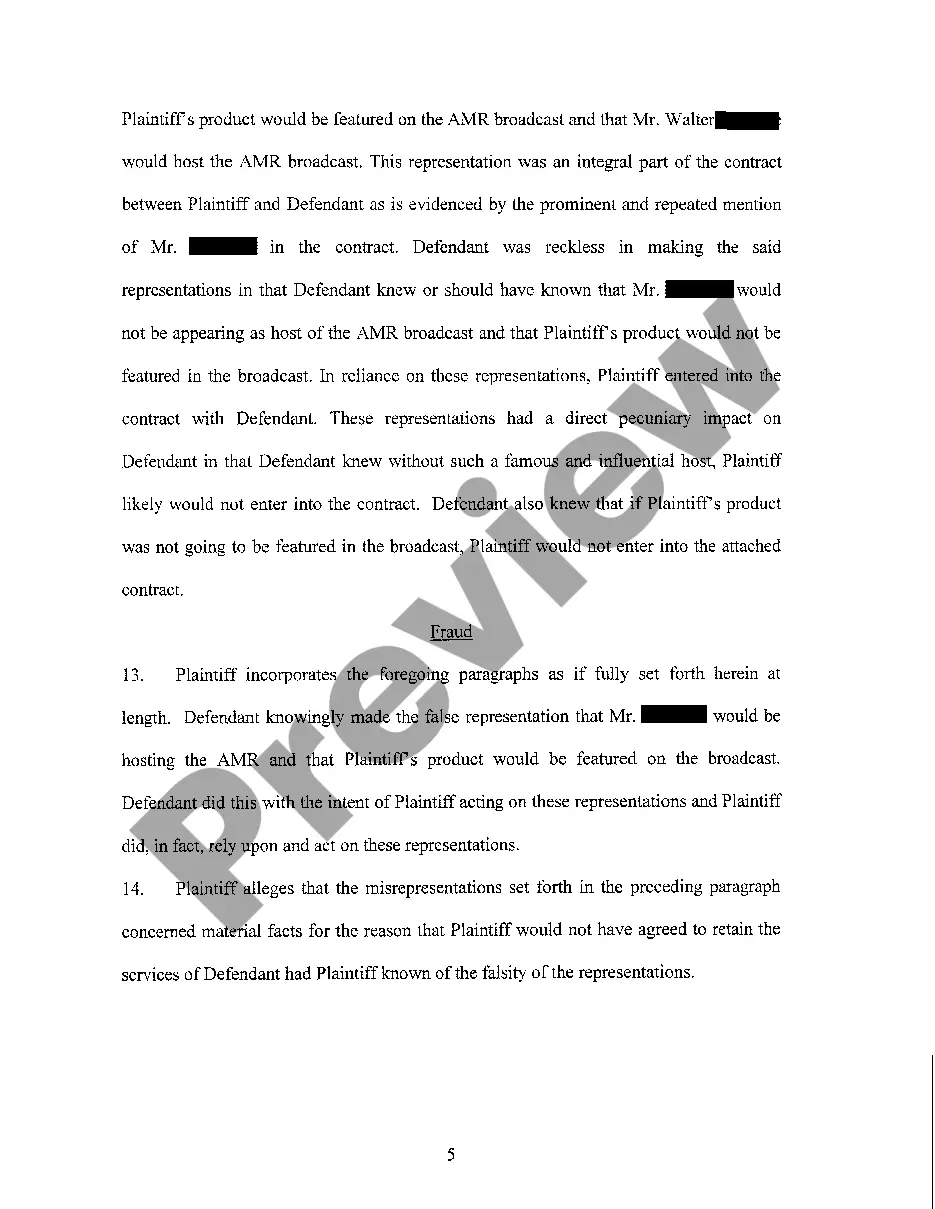
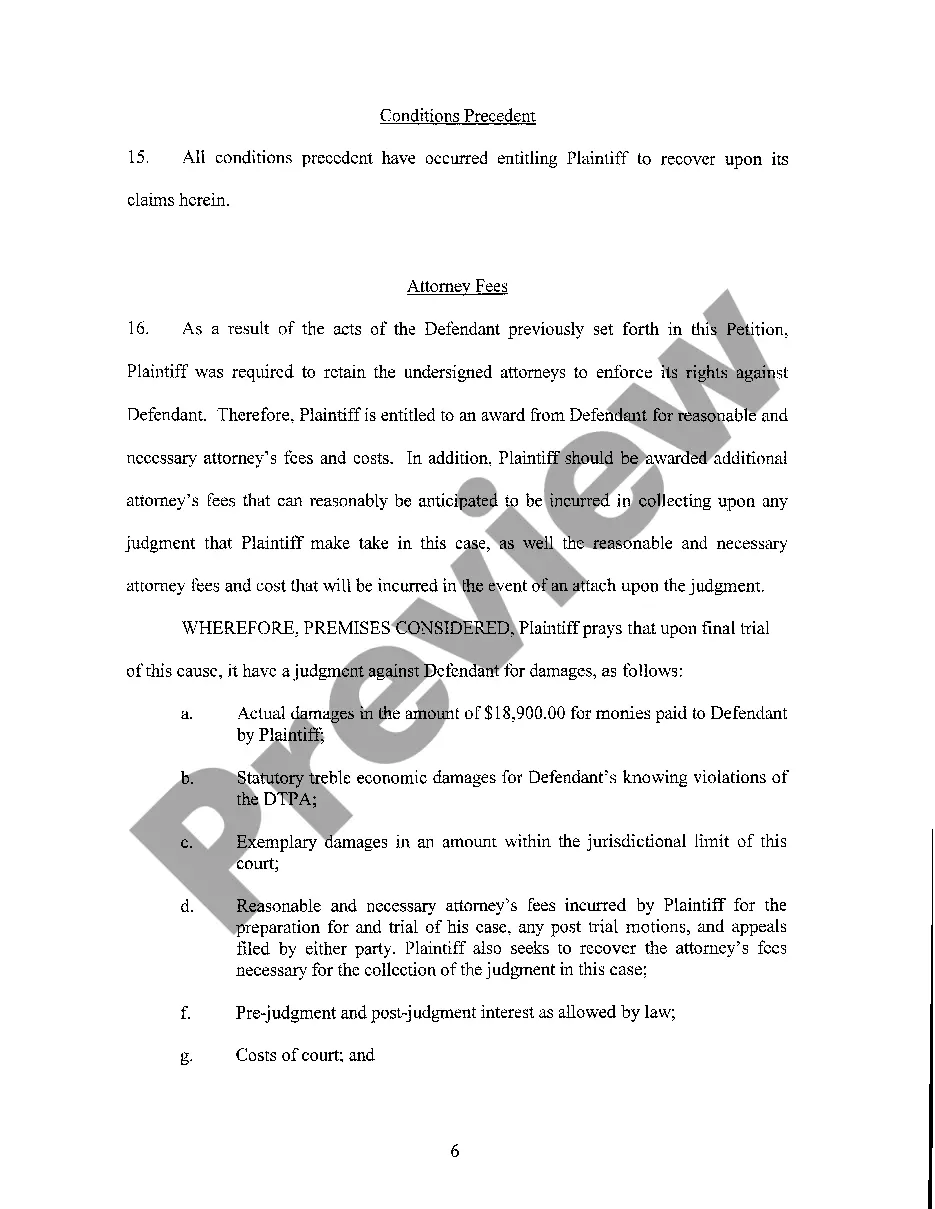
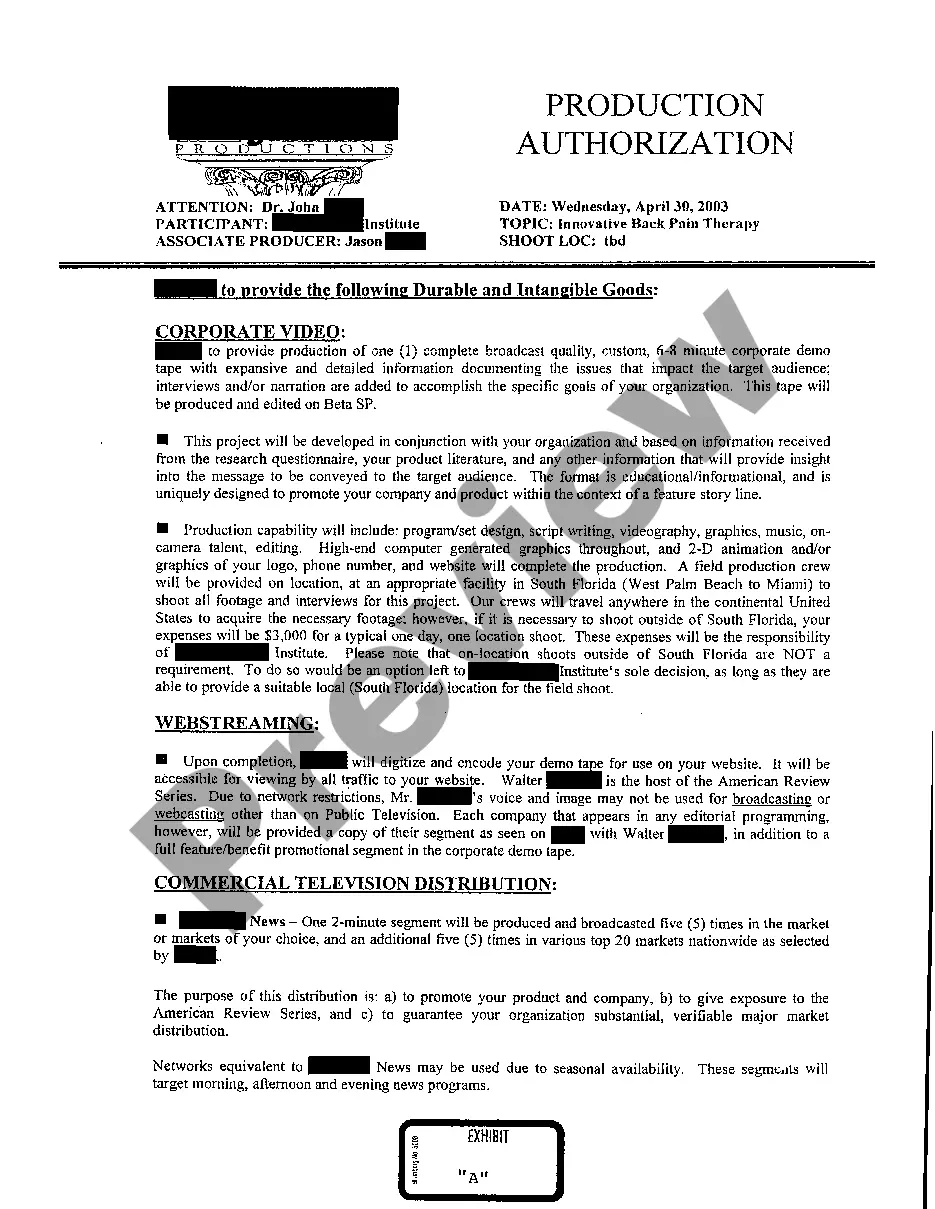
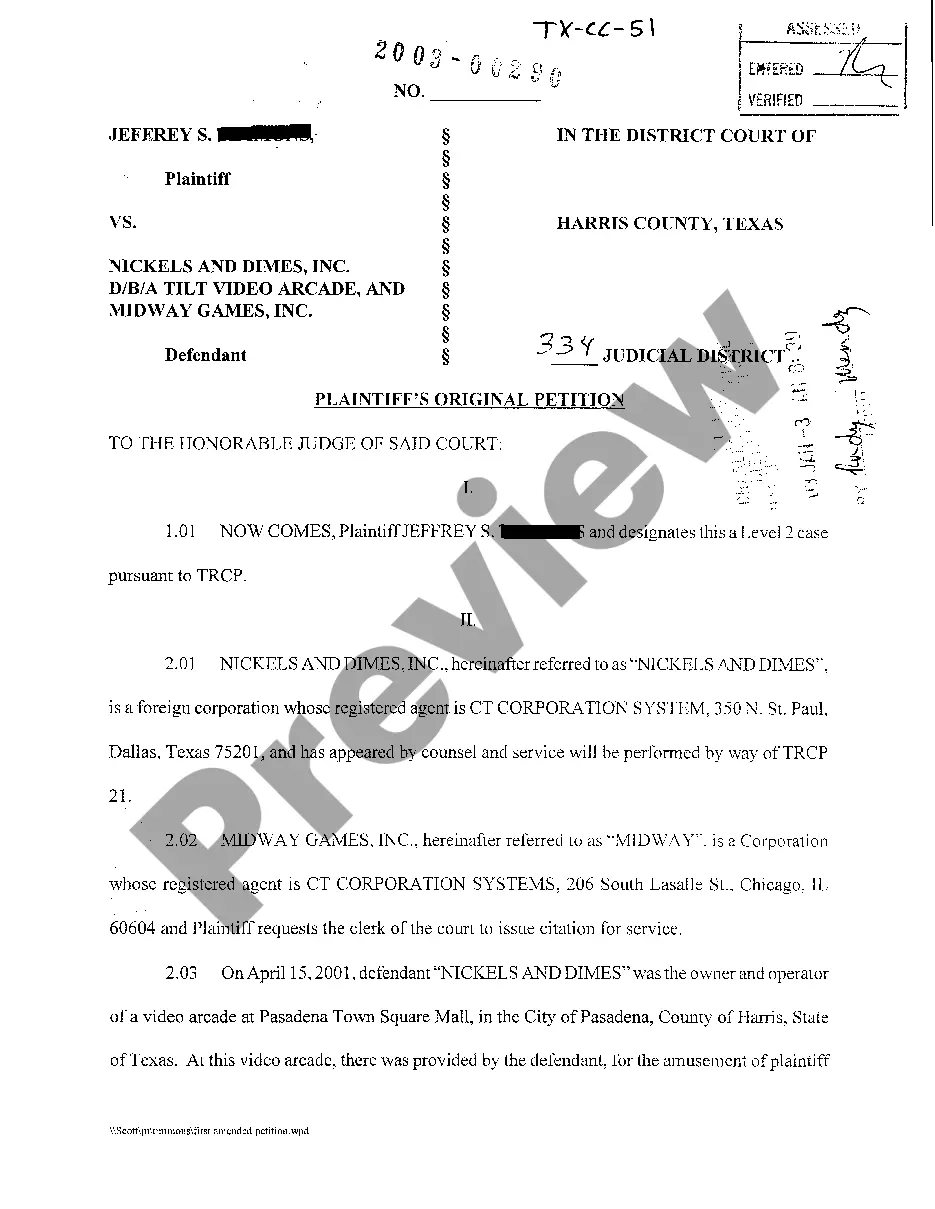









How to fill out Texas Plaintiff's Original Petition Regarding Deceptive Trade Practices?
It’s widely known that you cannot transform into a legal expert in a single night, nor can you swiftly learn to construct a Texas Deceptive Trade Practices Act Demand Letter Without Payment without possessing a specialized background.
Creating legal documents is a lengthy process that requires specific education and expertise. So, why not entrust the preparation of the Texas Deceptive Trade Practices Act Demand Letter Without Payment to the professionals.
With US Legal Forms, which boasts one of the largest collections of legal documents, you can access everything from court forms to templates for internal communication.
If you require another template, start your search anew. Create a free account and select a subscription plan to acquire the form.
Click Buy now. Once payment is completed, you will be able to download the Texas Deceptive Trade Practices Act Demand Letter Without Payment, complete it, print it, and send or mail it to the necessary individuals or organizations.
- We recognize how vital it is to comply with both federal and state laws and regulations.
- This is why all forms on our platform are tailored to specific locations and regularly updated.
- To begin using our platform and obtain the form you need in just a few minutes.
- Find the document you need by utilizing the search bar at the top of the webpage.
- Preview it (if available) and review the accompanying description to verify whether the Texas Deceptive Trade Practices Act Demand Letter Without Payment is the one you seek.
Form popularity
FAQ
While a demand letter can facilitate resolution, there are inherent risks involved, such as escalation of the dispute or the other party’s refusal to negotiate. Additionally, poorly worded demands can impact your case negatively. Thus, it is wise to use a Texas deceptive trade practices act demand letter without payment to express your grievances effectively and within a solid legal framework.
In Texas, a demand letter should be clear, concise, and contain all relevant details about the dispute. It should outline your grievances, what you seek, and provide a reasonable timeframe for the other party to respond. Following these rules when crafting a Texas deceptive trade practices act demand letter without payment can strengthen your case and encourage resolution.
A demand letter is not legally required in Texas; however, it often serves as a beneficial step before pursuing legal action. Sending a demand letter can clarify your position and aims to resolve the issue amicably. This approach can be particularly effective when using a Texas deceptive trade practices act demand letter without payment, demonstrating your willingness to settle while preserving your legal rights.
When drafting a demand letter, avoid making statements that could be interpreted as threats or slanderous accusations. It's important to stick to factual claims and clearly state your grievance without inflating the situation. A carefully constructed Texas deceptive trade practices act demand letter without payment can enhance the chances of a positive response.
The Texas deceptive trade practices Act has several exceptions that may limit its application. These exceptions include certain actions by licensed professionals, specific contractual agreements, and instances where the claim involves the sale of goods for resale. Understanding these exceptions is crucial when contemplating a Texas deceptive trade practices act demand letter without payment.
Section 17.46 of the Texas deceptive trade practices Act outlines various deceptive practices in business transactions. It protects consumers from false advertising, misleading statements, and other unfair practices. This section serves as a foundation for consumers when addressing grievances through mechanisms such as a Texas deceptive trade practices act demand letter without payment.
Common mistakes in demand letters include being vague about the debt, failing to specify a response deadline, and using overly aggressive language. It’s crucial to avoid these errors, particularly when addressing issues related to the Texas deceptive trade practices act demand letter without payment. Ensuring clarity and professionalism can significantly improve your chances of securing payment.
Start your demand letter by addressing the recipient correctly and stating the purpose clearly. Follow with a description of the debt, including the total amount due and any relevant contracts or agreements. Referencing the Texas deceptive trade practices act demand letter without payment can add legal weight to your claims, increasing the likelihood of a positive response.
While you can write a demand letter yourself, involving a lawyer can enhance its effectiveness, especially under the Texas deceptive trade practices act demand letter without payment. A lawyer can ensure that your letter complies with legal standards and includes necessary elements to support your case. Their expertise can help you avoid common pitfalls and strengthen your position.
When drafting a demand letter, avoid using threatening language or making unrealistic demands. Steer clear of emotional appeals, as they can weaken your argument, particularly when referencing the Texas deceptive trade practices act demand letter without payment. Instead, stick to the facts, present your case clearly, and maintain a professional tone throughout.